Business
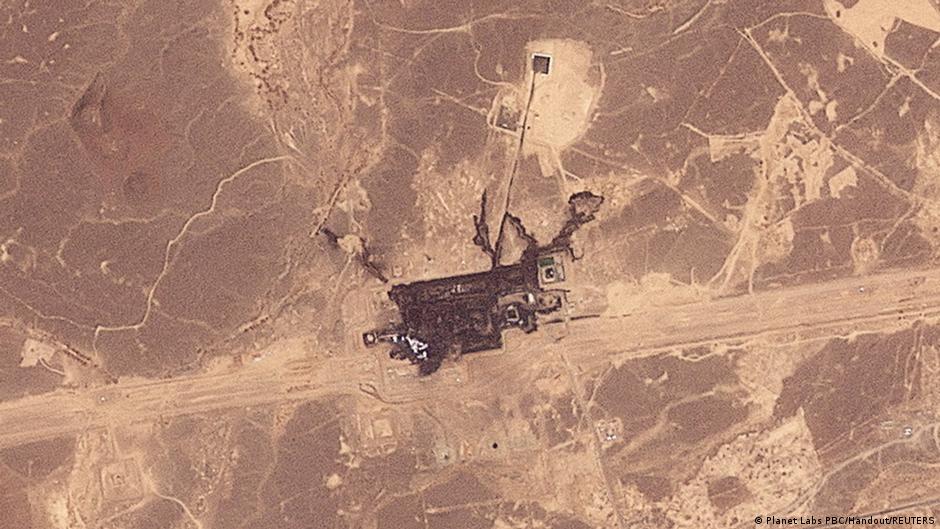
Saudi East-West Pipeline Outage Threatens 4% Hit to Global Oil Supply
Saudi Arabia’s East-West pipeline shutdown could threaten 4% of global oil supply as traders await repair timelines and export updates.
Editorial Team · Sep 14, 2026
Saudi Arabia’s East-West pipeline shutdown could threaten 4% of global oil supply as traders await repair timelines and export updates.

Houthi forces captured Yemen’s port city of Mocha, increasing market concern over Bab el-Mandeb shipping risks and potential oil price pressure.
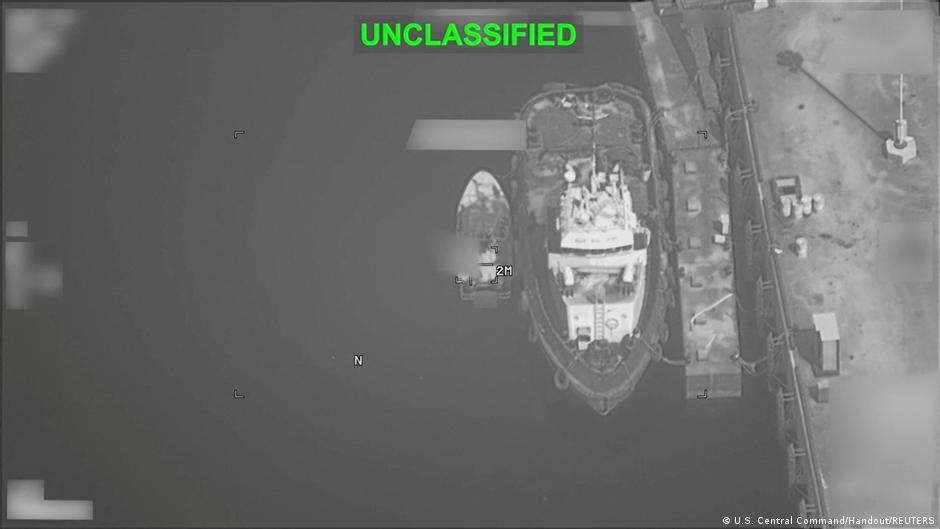
CENTCOM said U.S. forces destroyed five Iranian oil tankers after two ballistic missile attacks on a U.S. Navy ship.
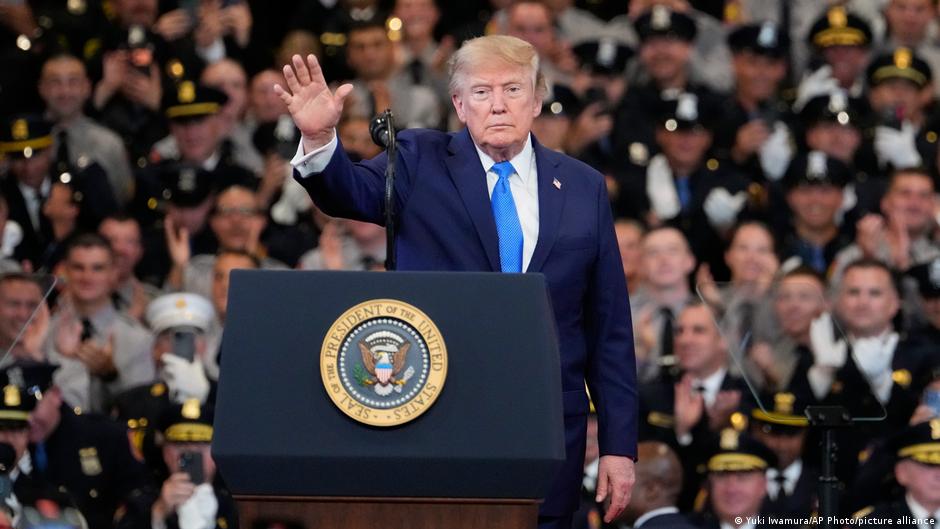
US President Trump threatens military action against Oman if it disrupts talks with Iran over Strait of Hormuz control amid escalating regional tensions.

Qatar denies holding Iranian pilots after airspace violations amid Middle East conflict, affirming compliance with international law and ongoing diplomatic efforts.
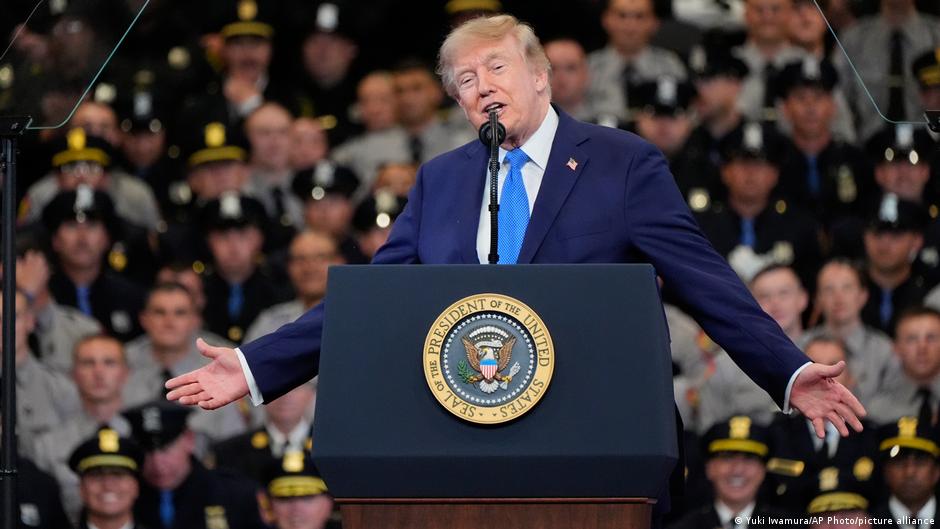
President Trump plans to declare the Strait of Hormuz US territory, implying a permanent military presence amid ongoing Iran tensions and global oil supply concerns.
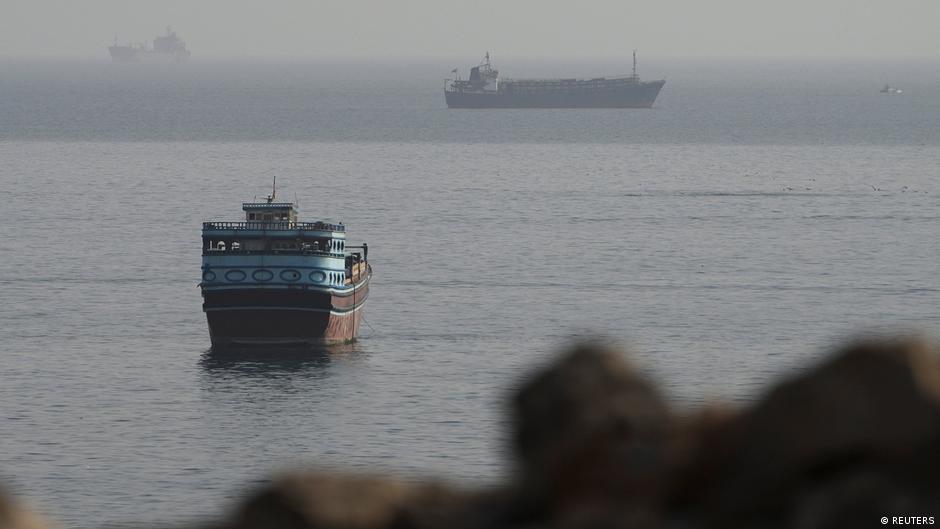
US forces disabled the steering of a Panama-flagged cargo ship trying to breach the Iran blockade in the Gulf of Oman, reinforcing control over the Strait of Hormuz.
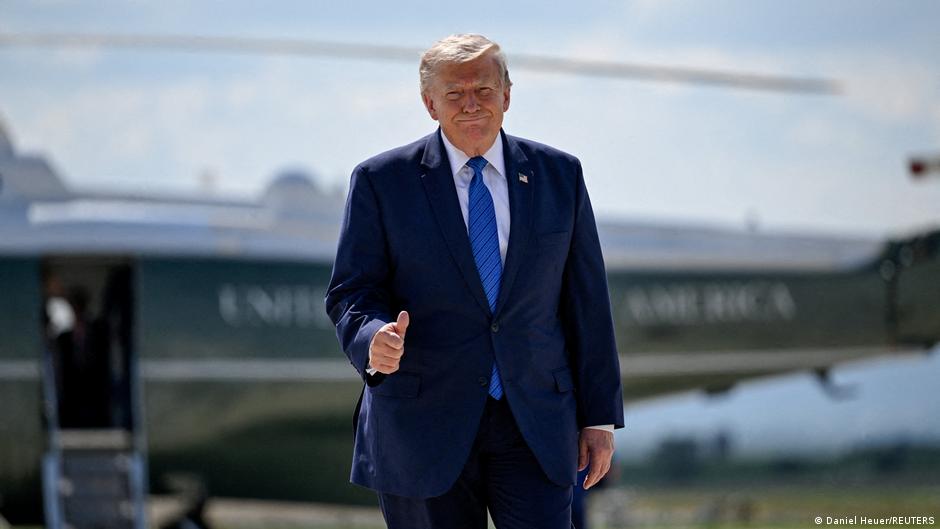
President Trump announces renewed US-Iran negotiations starting August 3, delaying military strikes to pursue diplomacy amid ongoing tensions and recent US attacks.
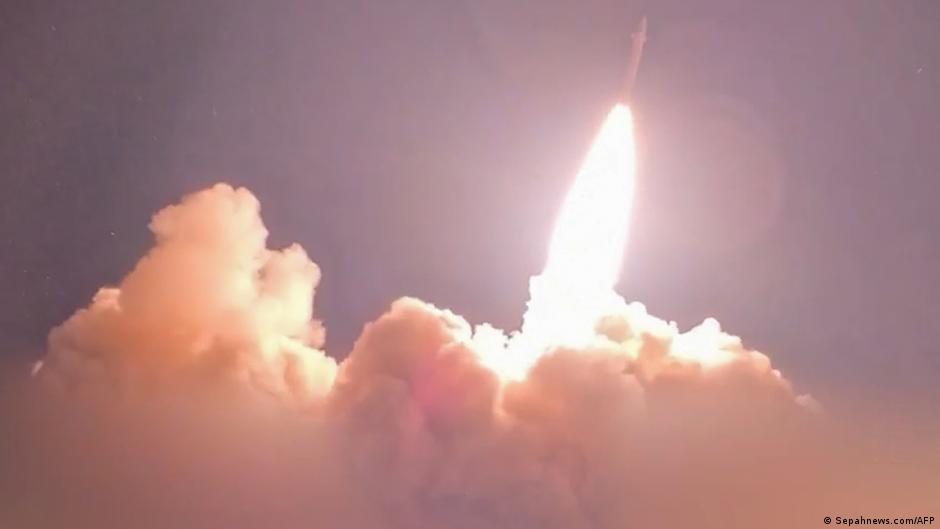
US forces intercepted ballistic missiles launched by Iran targeting troops in the Middle East, escalating tensions after recent ceasefire efforts.
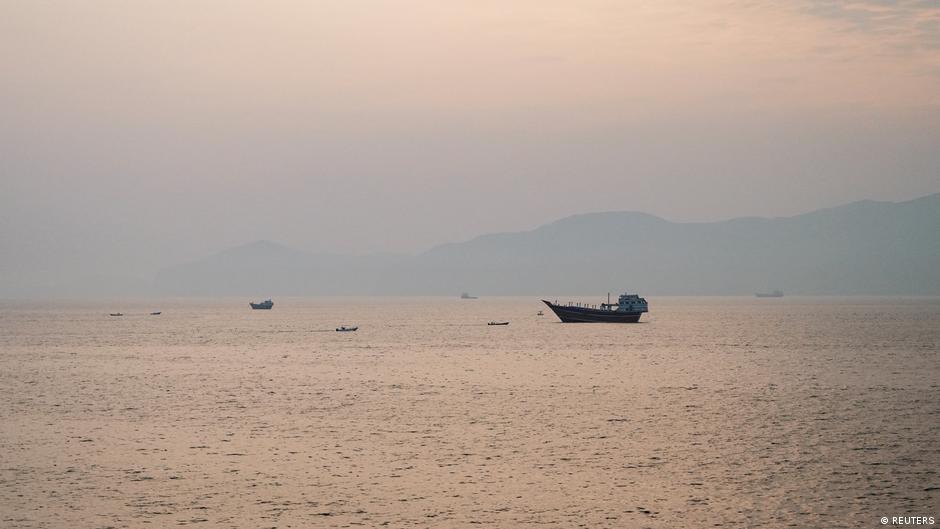
The IRGC has mined a tanker in the Strait of Hormuz and threatens to block unauthorized vessels, amid reports of a Greek-owned tanker’s possible seizure by Iran.
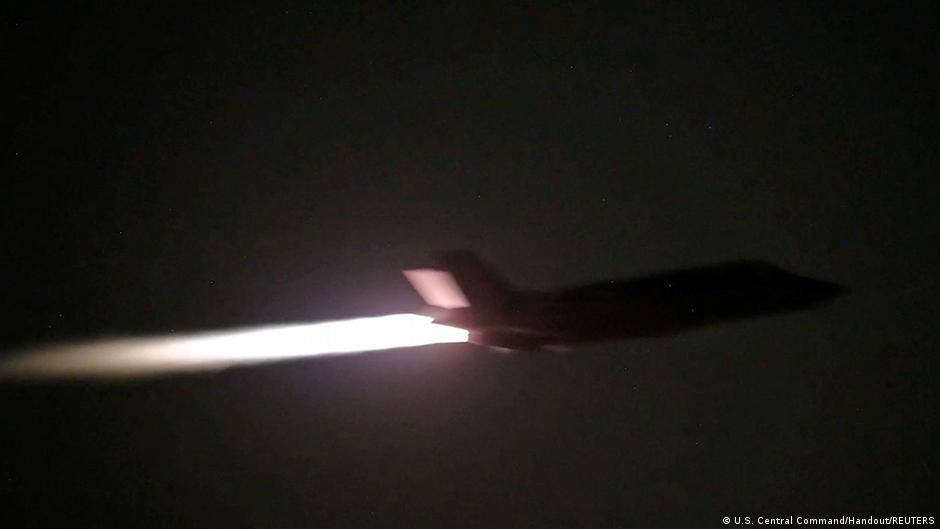
US military continues 11-night offensive strikes on Iran targeting strategic sites amid escalating regional hostilities and maritime security concerns.
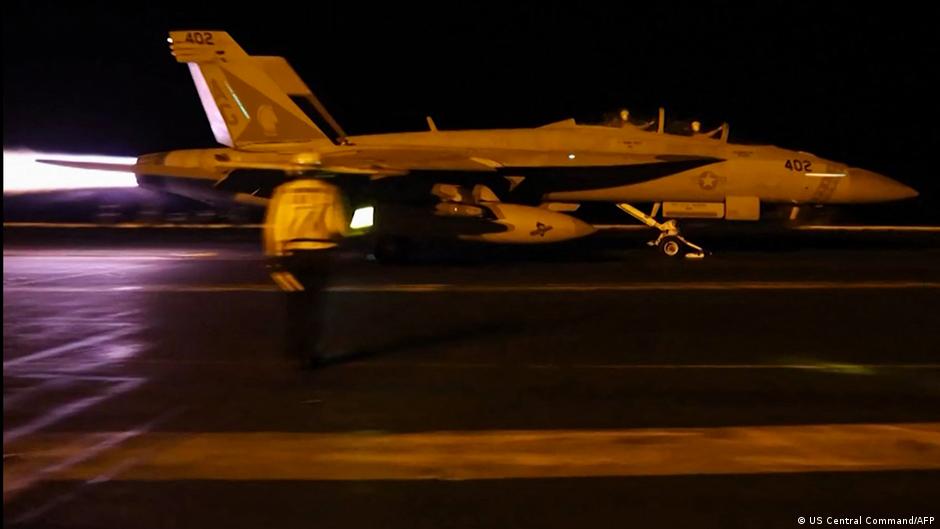
The US conducted its tenth straight day of strikes on Iran’s military sites as Tehran responded with missile and drone attacks, intensifying tensions in the Strait of Hormuz.
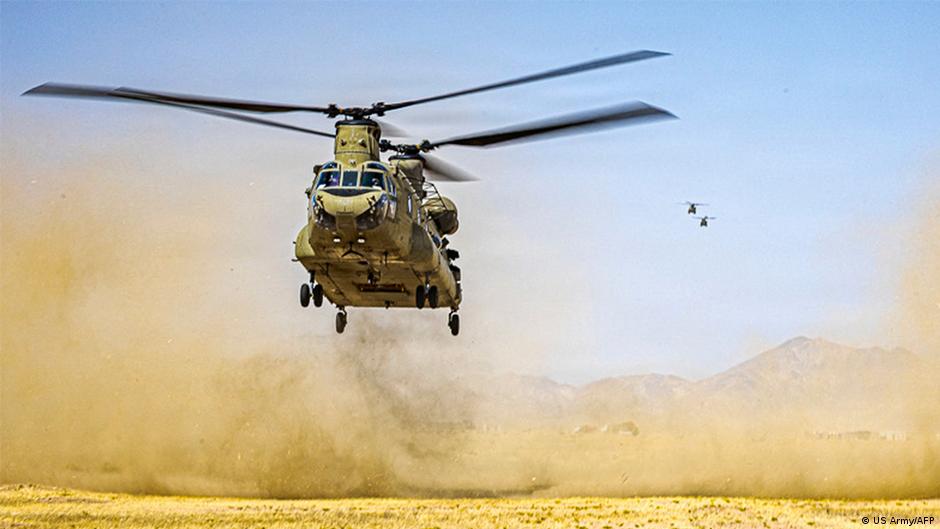
US military deaths in the Iran conflict have reached 17 after a soldier was killed during the detonation of Iranian explosives in Iraq, with US forces escalating military deployments amid rising tensions.
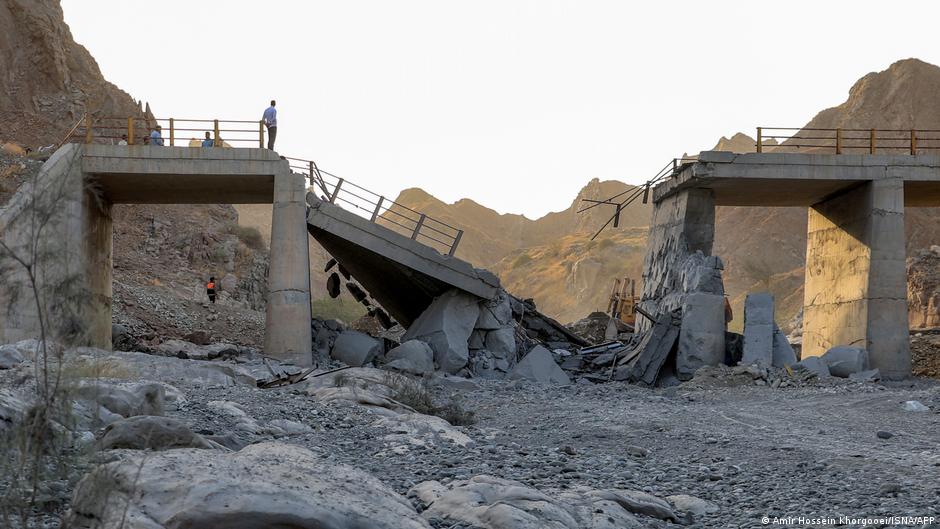
The US has launched airstrikes against Iran for the ninth night, while Iran targets US bases in Kuwait and Bahrain amid escalating Middle East tensions.
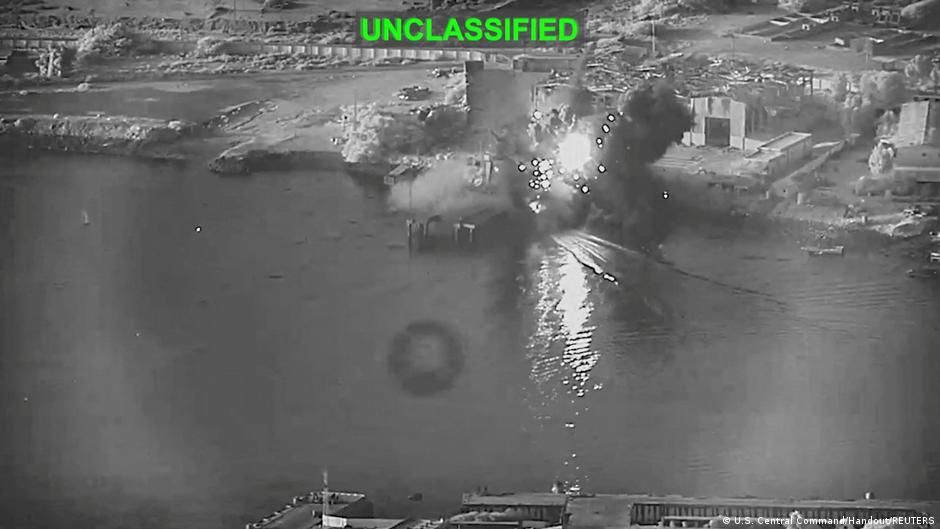
The US launched multiple strikes on Iranian infrastructure, prompting Iranian retaliatory attacks and heightened regional defense measures amid escalating tensions.
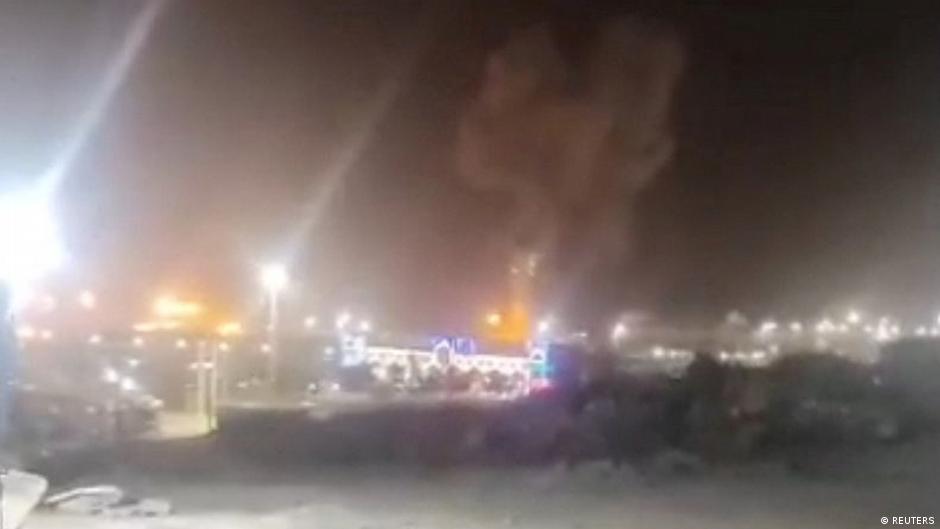
US forces conducted airstrikes on Iranian military and infrastructure sites in the Persian Gulf; Iran retaliated with attacks on US bases in Bahrain and Kuwait.
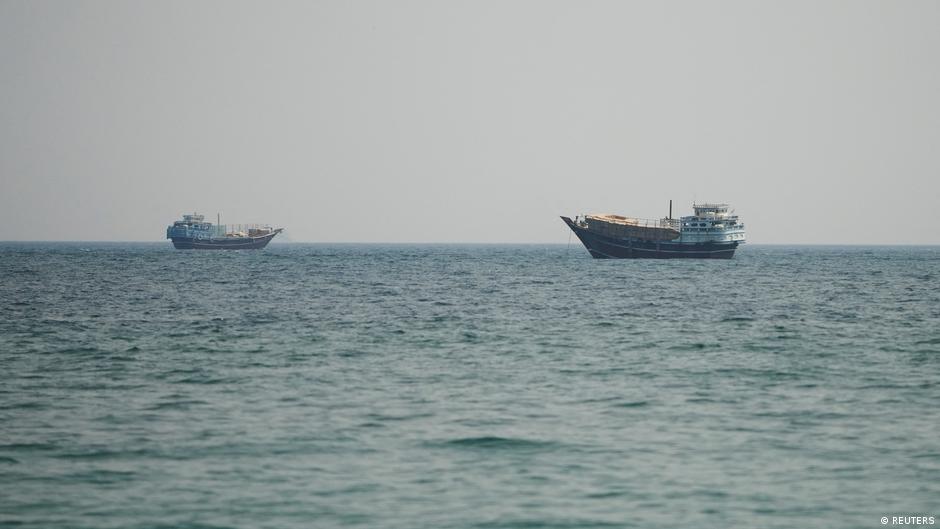
The US is negotiating to restore an Iraq-Syria oil pipeline bypassing the Strait of Hormuz, aiming to reduce Iran's regional energy influence amid heightened Middle East tensions.
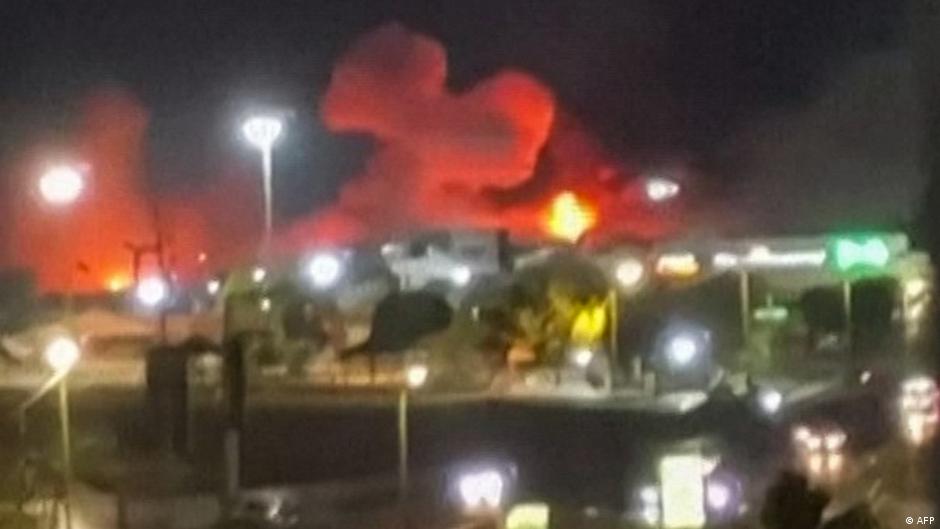
The US military launched new strikes on Iranian targets near the Strait of Hormuz to disrupt attacks on commercial shipping, escalating regional tensions and raising global energy market risks.
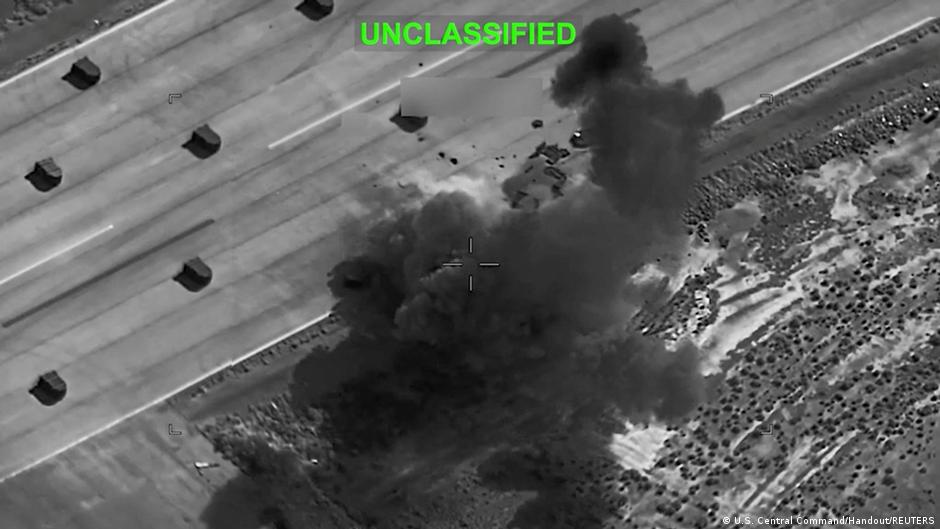
US forces struck Iran for the third time this week after attacks on commercial vessels, leading to the closure of the crucial Strait of Hormuz and escalating regional tensions.

Iran held a closed funeral for Ayatollah Ali Khamenei amid rising regional tensions, with implications for energy markets and geopolitical risk assessments.
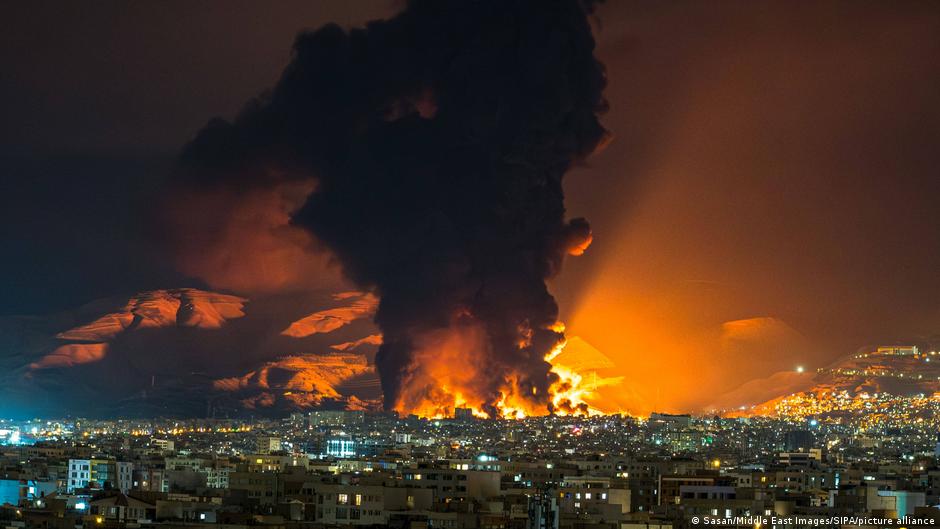
The US has launched new airstrikes on Iran targeting over 80 military sites to curb Tehran’s interference with shipping in the Strait of Hormuz, escalating regional tensions.
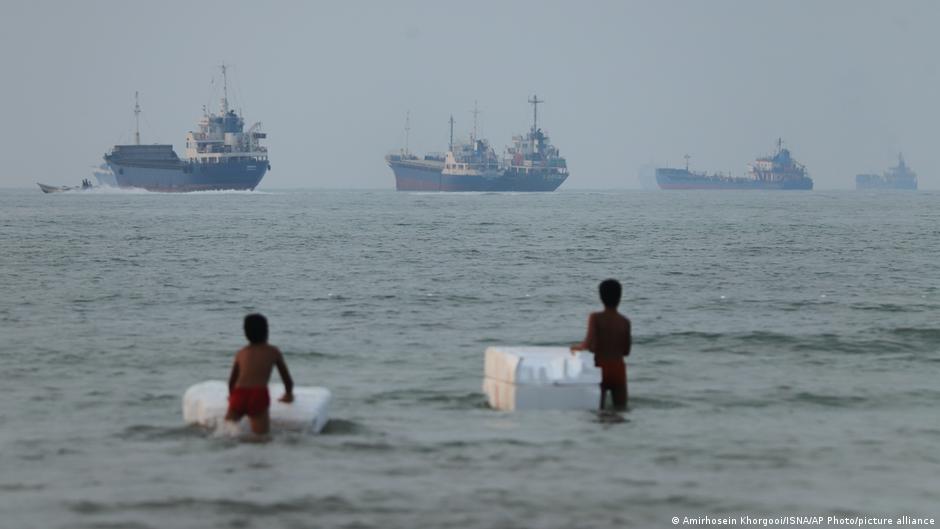
US military strikes Iranian targets after attacks on commercial vessels in the Strait of Hormuz, while diplomatic efforts to de-escalate tensions remain stalled.
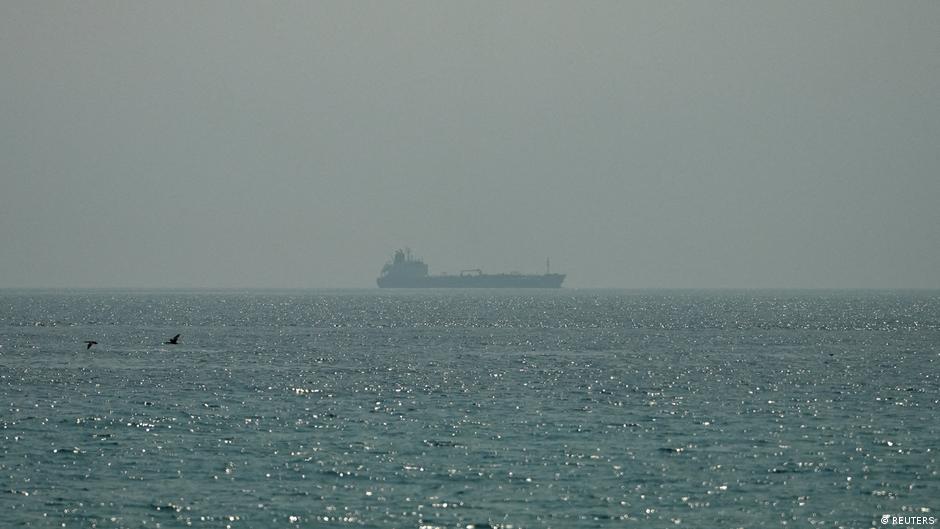
The US and Iran agreed to halt attacks until June 30 ahead of talks in Qatar on reopening the Strait of Hormuz, impacting global oil markets and shipping volumes.
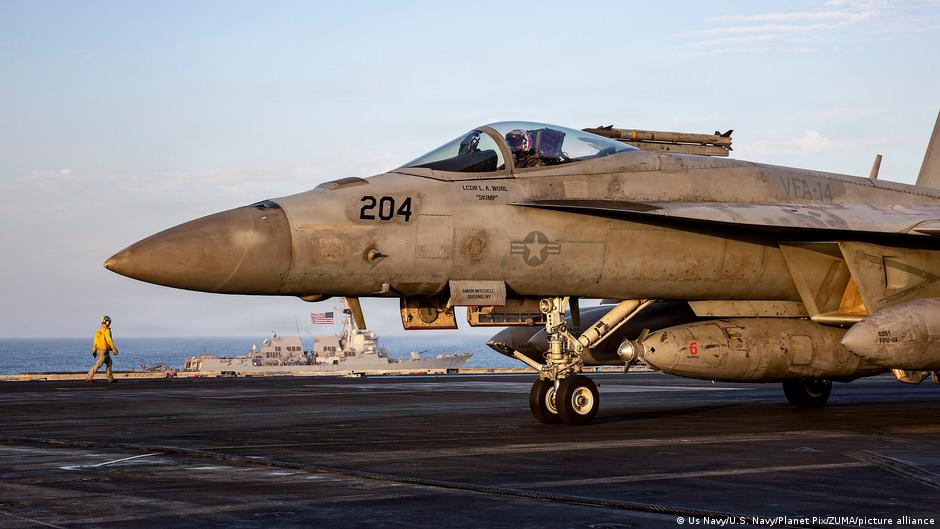
US forces struck Iranian military infrastructure after drone attacks on oil tankers near the Strait of Hormuz, escalating tensions and impacting global energy markets.
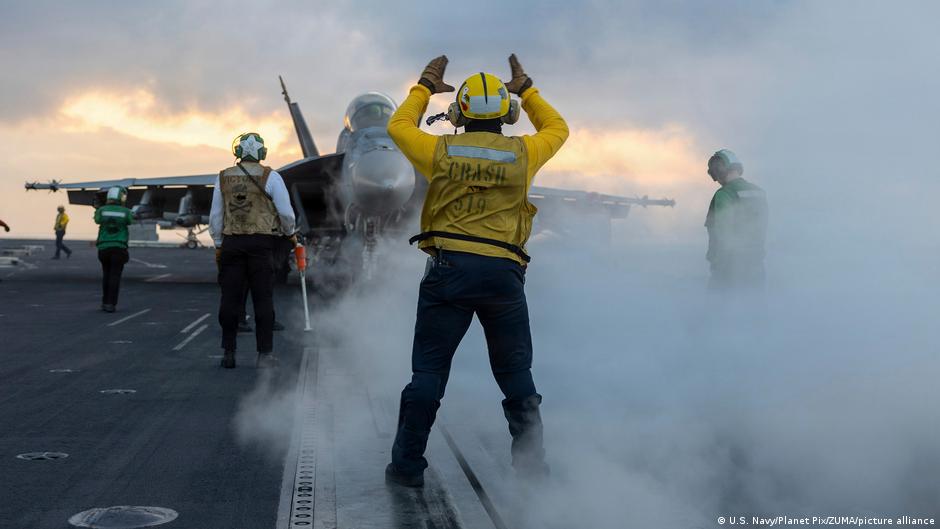
US strikes Iran after drone attack on Singapore-flagged ship in Strait of Hormuz; Iran retaliates by firing on US bases, raising oil prices amid regional tensions.
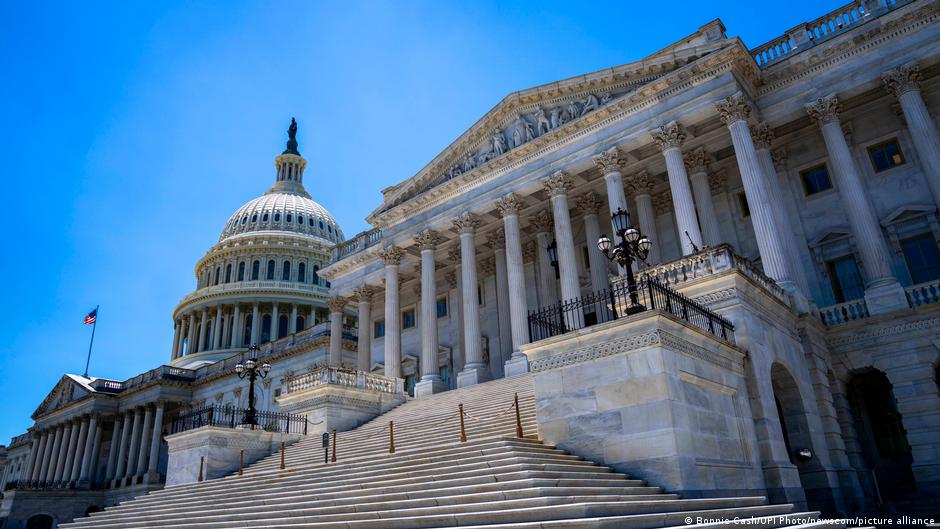
The US Senate narrowly passed a resolution urging troop withdrawal from Iran conflict zones amid active peace talks and a fragile ceasefire.
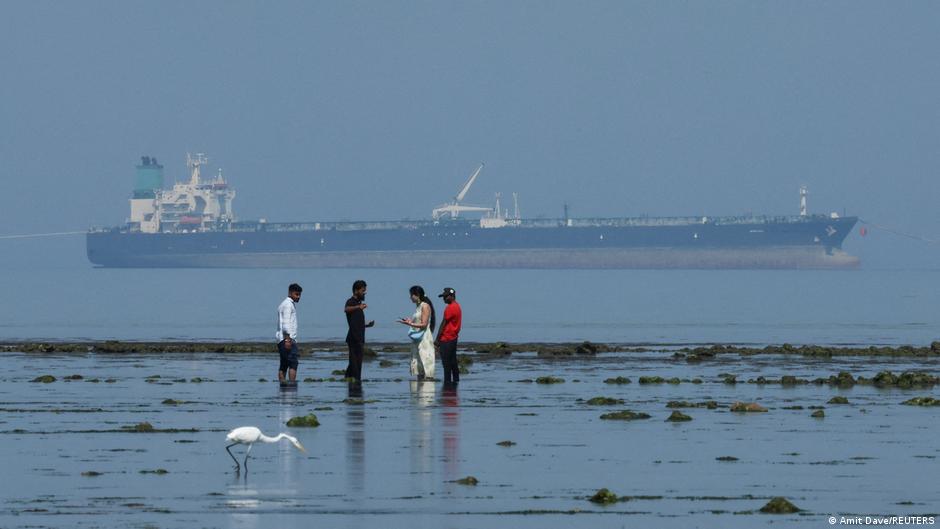
Russia's maritime oil exports surged to a 2026 high amid US-Iran negotiations that triggered a 16% drop in global oil prices, intensifying market competition and price pressures.

The US and Iran agreed on a communication channel to prevent incidents in the Strait of Hormuz, finalizing a 60-day roadmap for broader diplomatic agreements amid ongoing technical talks.
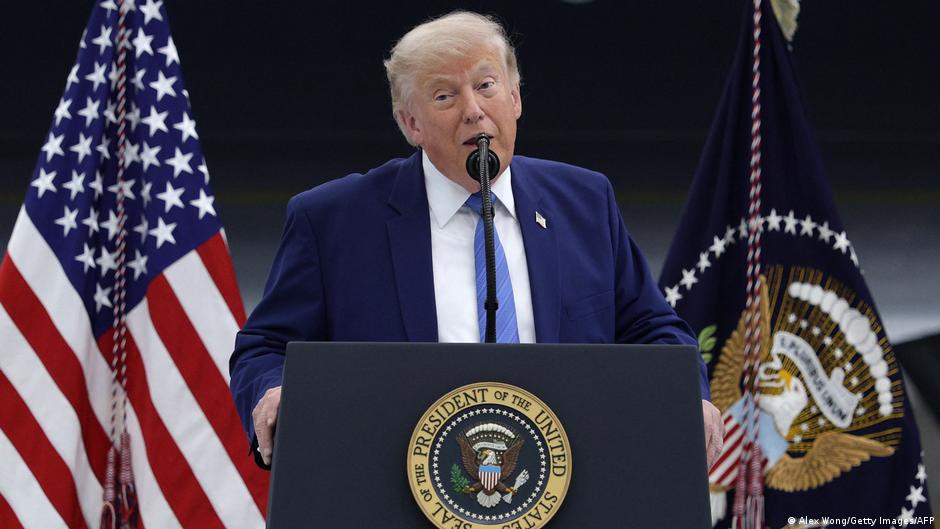
The US may impose fees for Strait of Hormuz passage if the Iran deal fails, following a temporary ceasefire and lifted blockade, signaling potential shifts in global oil trade flows.
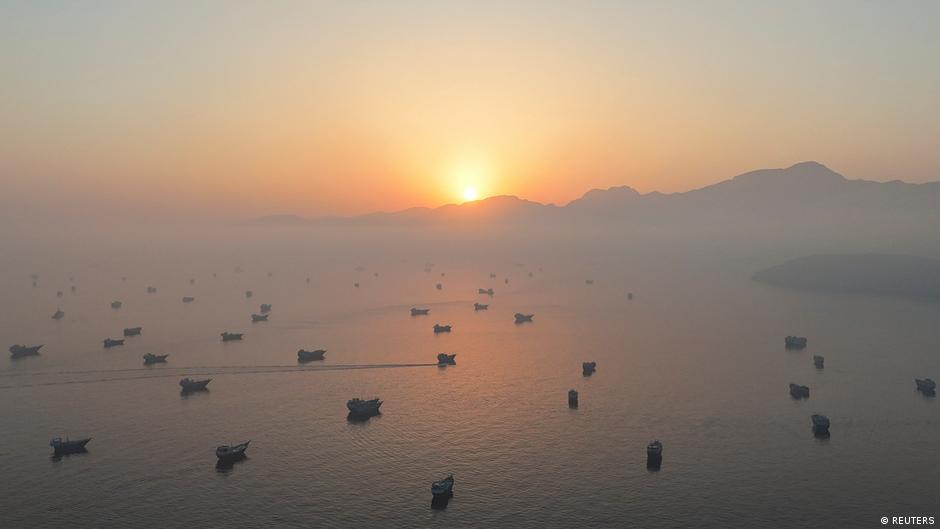
The US has lifted its naval blockade of the Strait of Hormuz, enabling record oil transit volumes amid ongoing US-Iran peace negotiations.
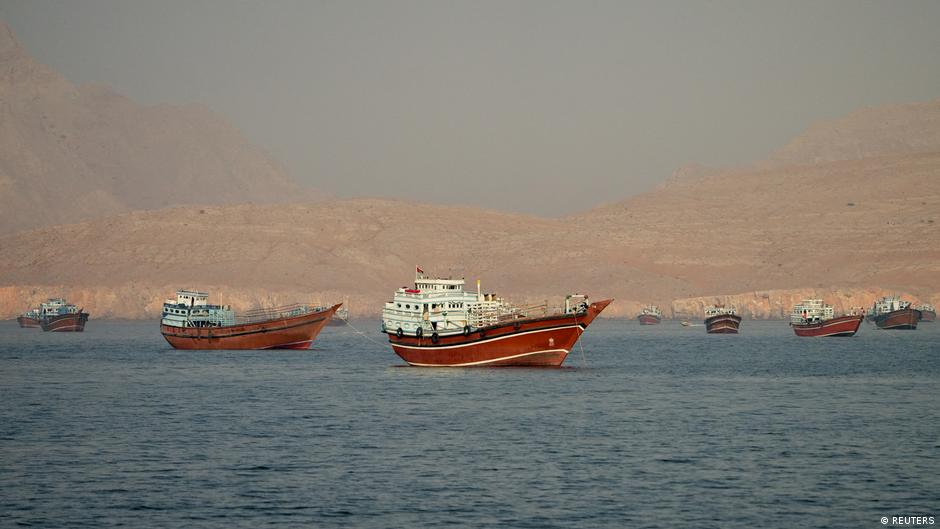
The Strait of Hormuz will reopen immediately after US and Iran sign a peace memorandum, ending port blockades and easing energy market tensions.

G7 leaders unveil new sanctions targeting Russian energy exports and pledge increased delivery of advanced weaponry to Ukraine amid shifting battlefield dynamics.

France, Germany, the UK, and Italy endorse the US-Iran deal, emphasizing nuclear non-proliferation and the restoration of safe maritime navigation through the Strait of Hormuz.
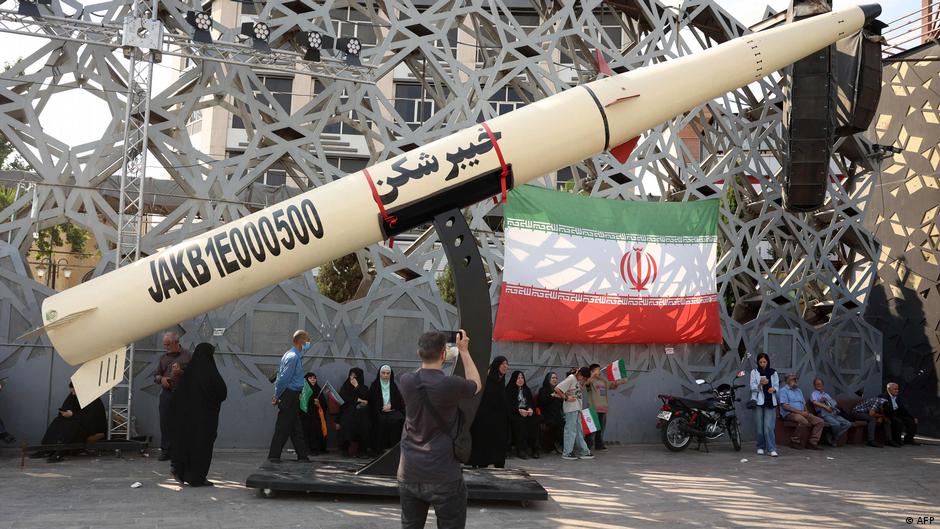
Iran has replenished about 75% of its missile arsenal, likely aided by new Russian rockets, complicating US efforts amid ongoing Middle East tensions and peace talks.

UAE reportedly agreed to unfreeze billions in Iranian oil revenues to halt attacks, but denies the claims amid ongoing U.S.-Iran peace talks.
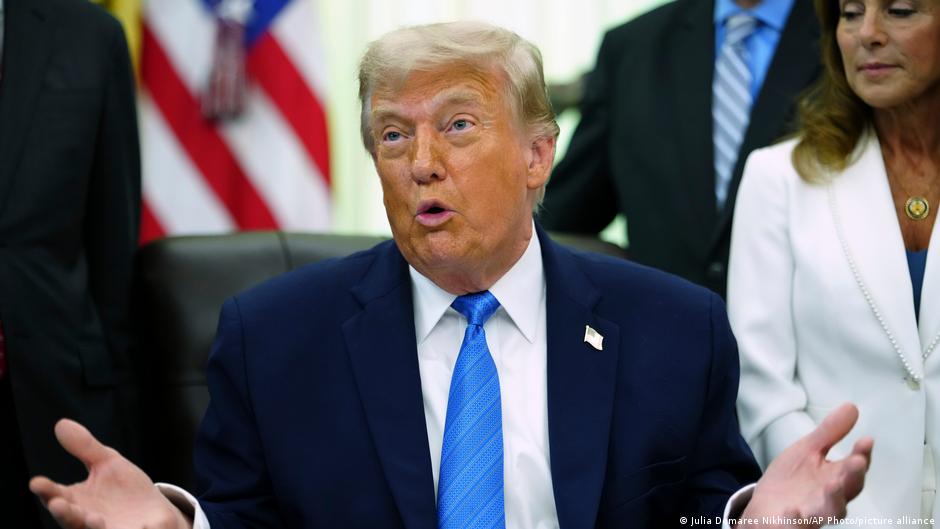
US cancels planned strikes on Iran amid diplomatic progress, prompting shifts in energy and defense markets as multinational deal nears finalization.
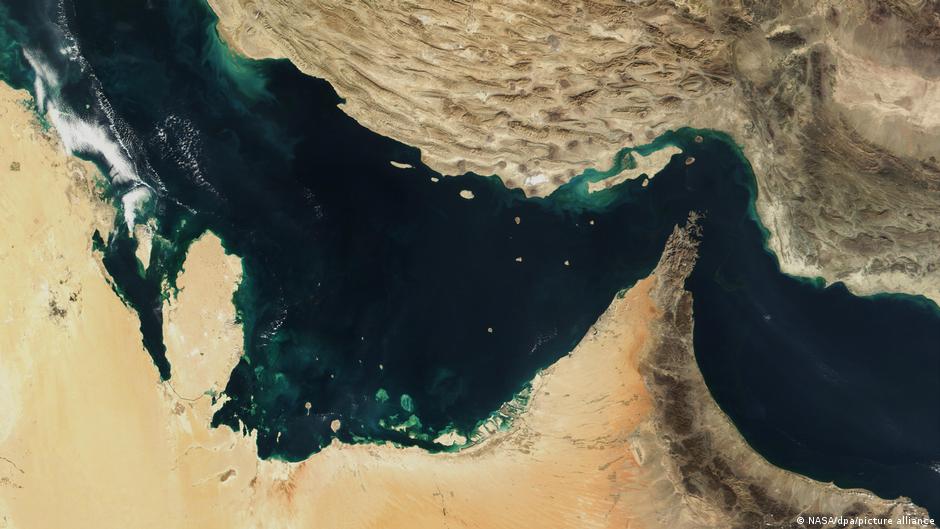
US military strikes on Iran resume, prompting Tehran to attack US bases and close the strategic Strait of Hormuz, escalating tensions and impacting global energy routes.
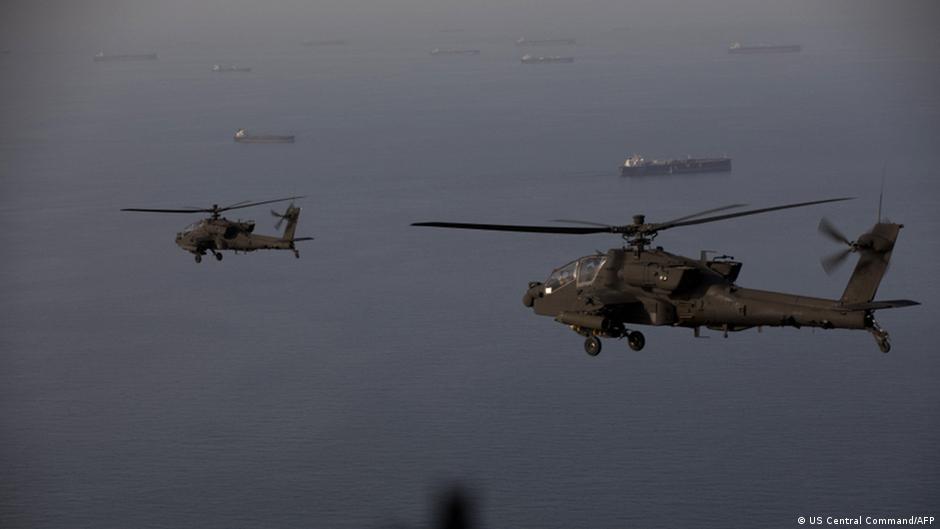
US forces launched strikes on Iranian air defense sites after Tehran downed an American Apache helicopter near the Strait of Hormuz, escalating regional tensions.
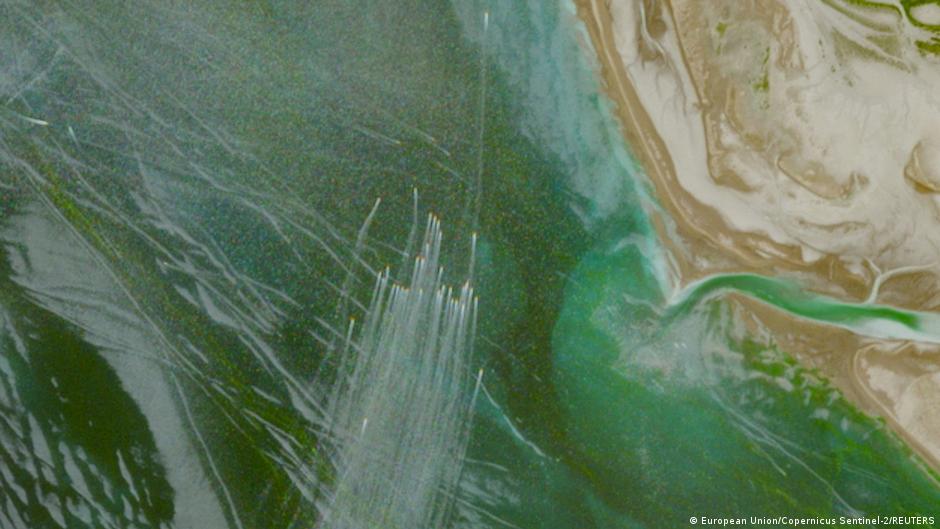
US forces intercepted four Iranian drones threatening shipping in the Strait of Hormuz, striking radar stations amid ongoing Gulf tensions and regional missile attacks.
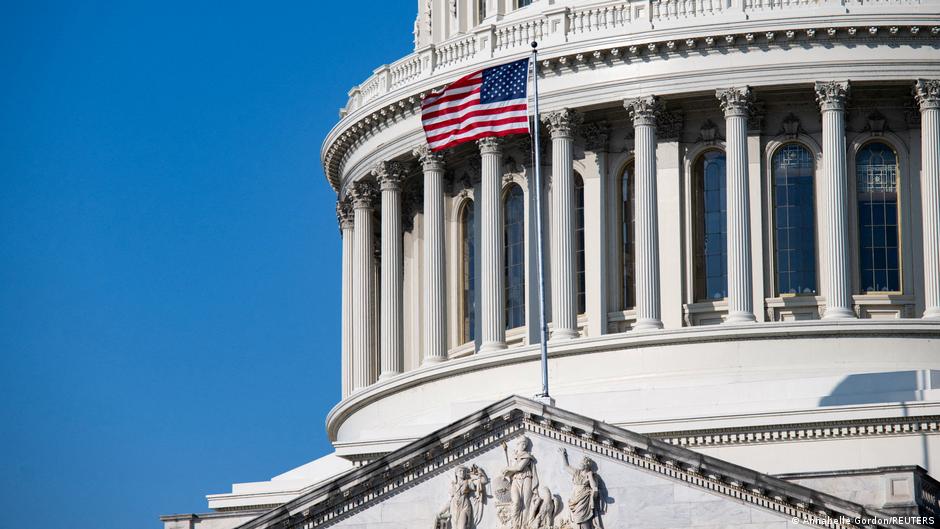
The US House approved a resolution limiting President Trump's military actions against Iran without Congress approval, signaling reduced GOP support for the conflict.
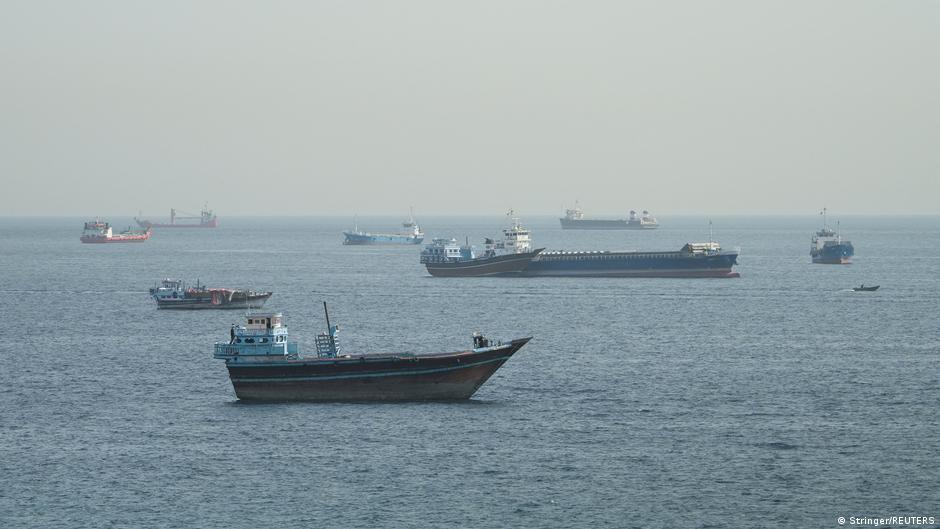
The US has covertly assisted about 70 commercial vessels through the Iran-blockaded Strait of Hormuz over three weeks, with most ships sailing without active transponders.
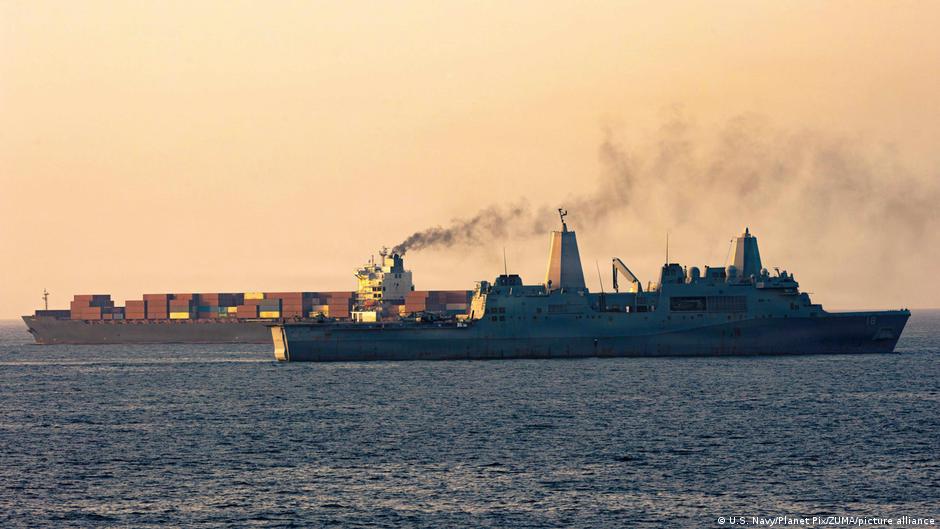
US forces disabled a Gambian-flagged vessel heading to Iran in the Gulf of Oman amid enforcement of the Strait of Hormuz blockade, following repeated warnings.
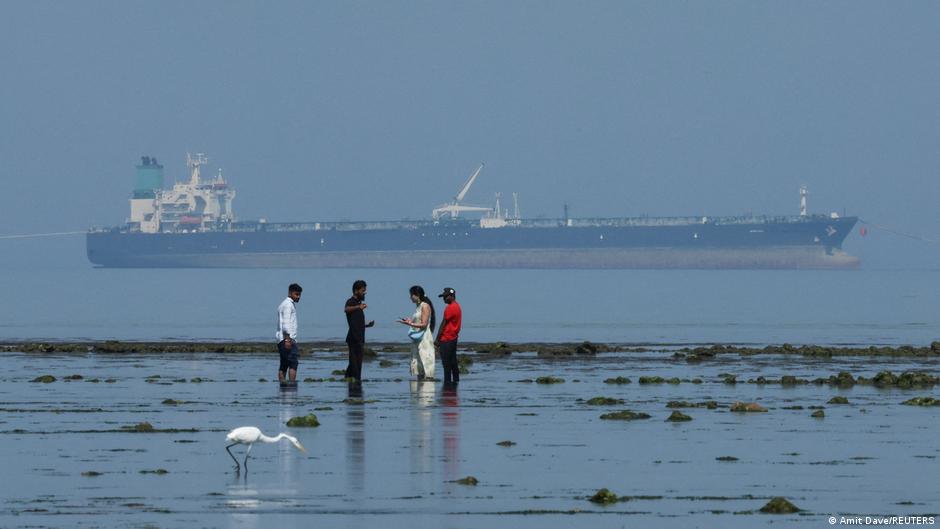
The UK authorized indefinite imports of diesel and aviation fuel from Russian oil processed abroad, responding to rising fuel prices and global energy supply tensions.
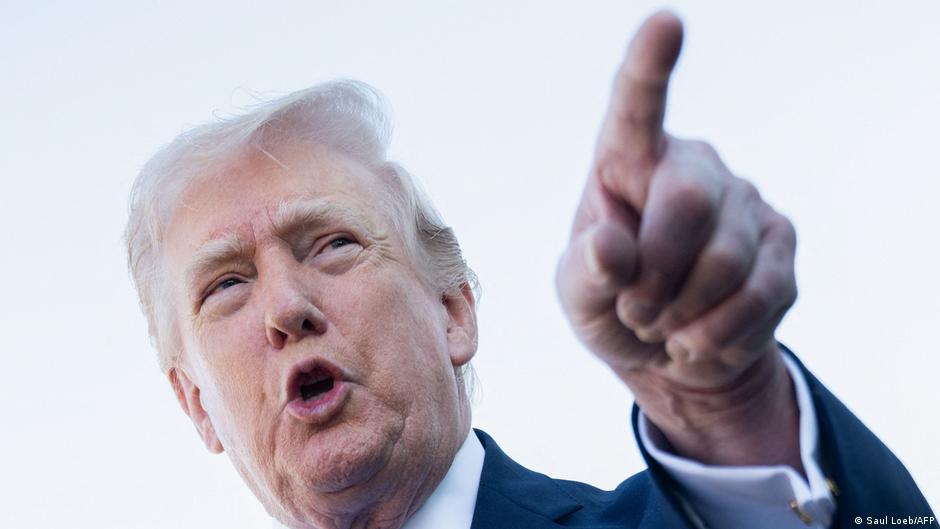
President Trump postponed a planned May 19 strike on Iran after Gulf leaders urged restraint; intense negotiations continue amid ongoing regional tensions.
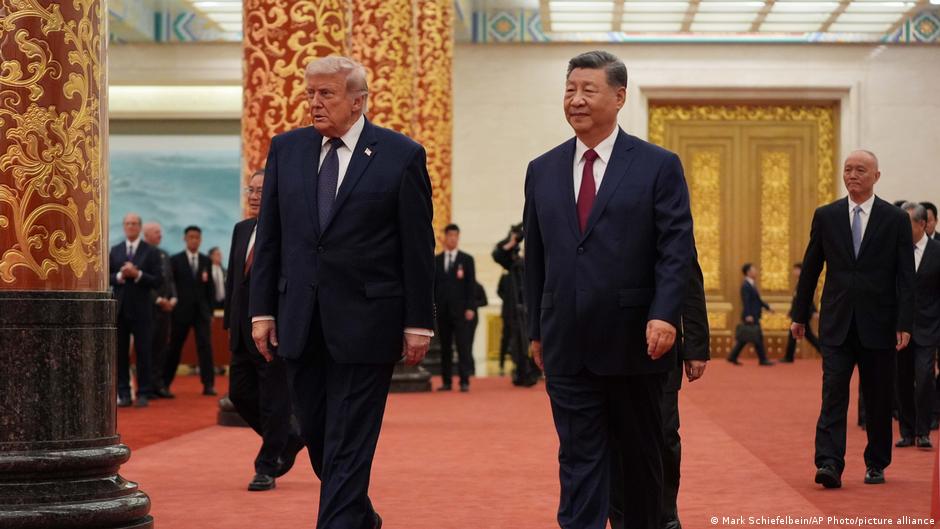
Following talks in Beijing, Trump reveals China’s interest in U.S. oil and soybean purchases and potential influence on Iran amid shifting trade dynamics.
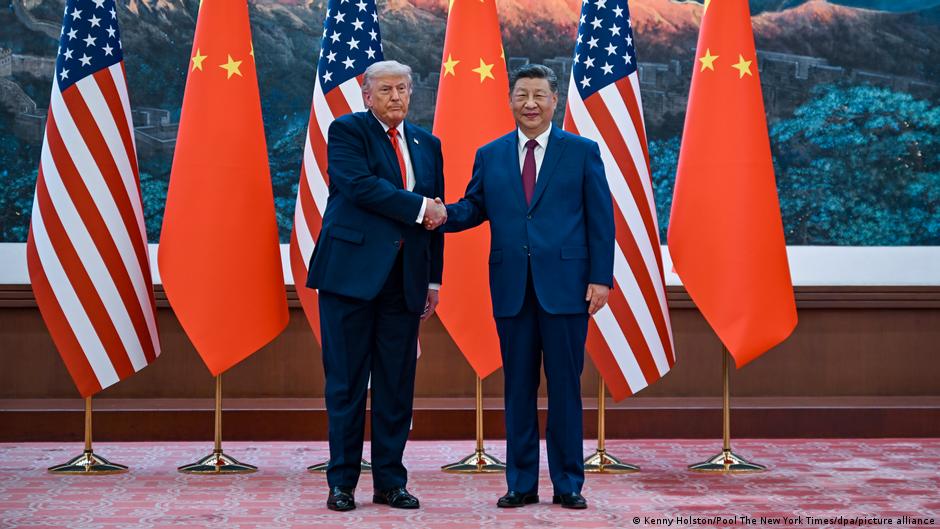
Trump and Xi Jinping meet in Beijing to discuss Iran, trade, and Taiwan, key topics with significant implications for global markets and energy sectors.
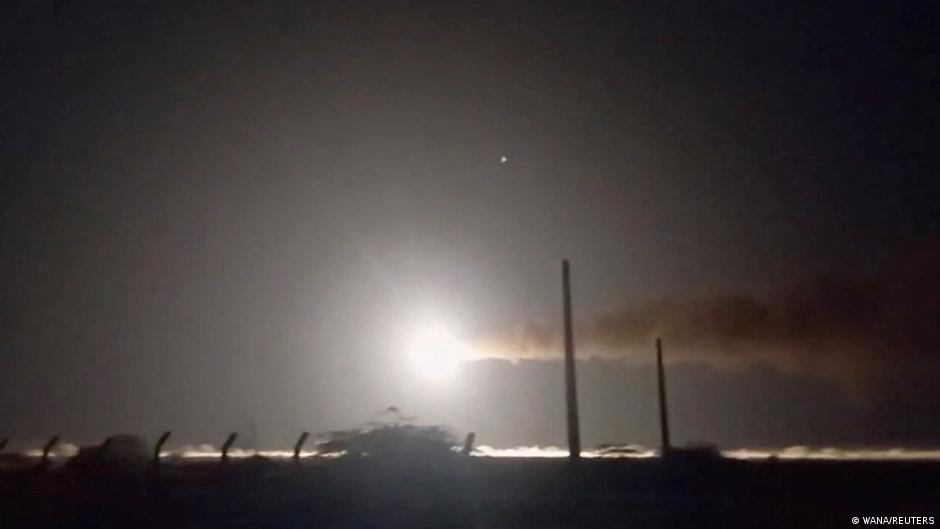
US intelligence reports reveal Iran retains about 70% of its missile arsenal and launchers, contradicting official claims of its military degradation.
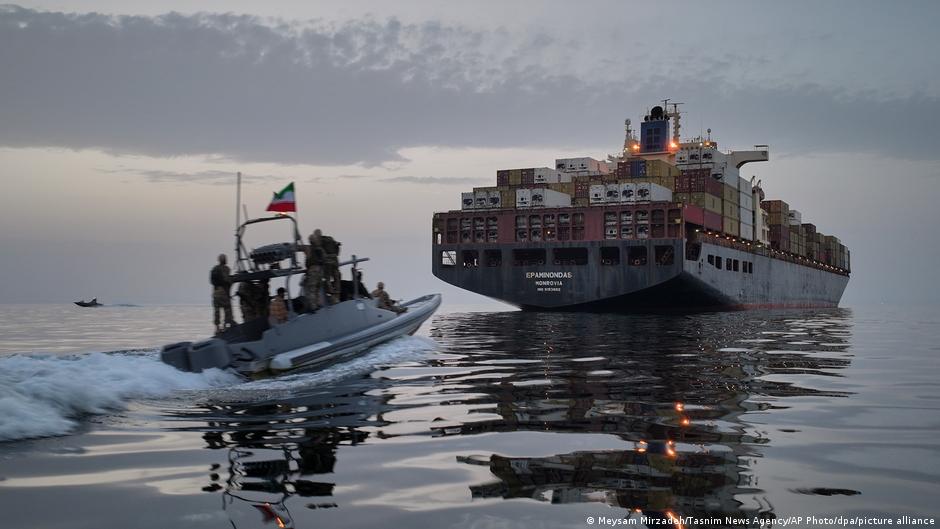
Iran requires tankers to submit detailed vessel information before transiting the Strait of Hormuz amid rising regional tensions and U.S. naval operations.
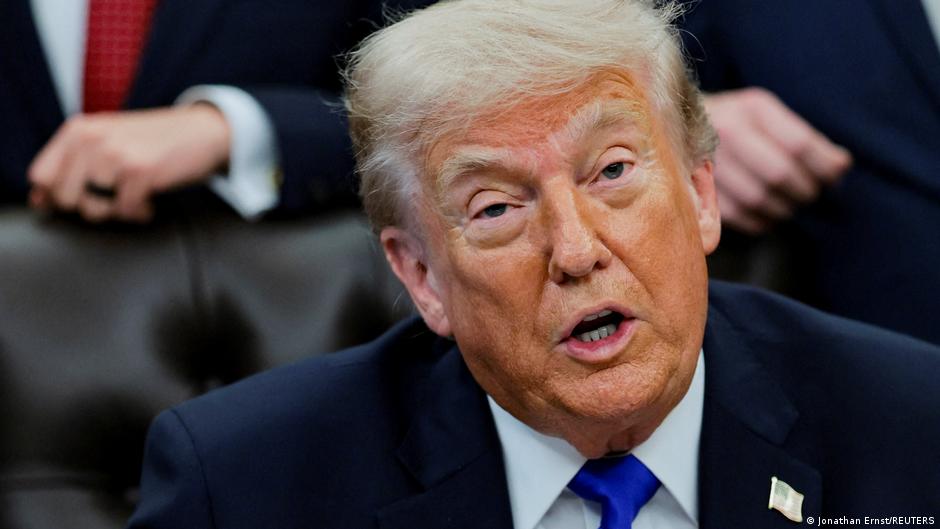
President Trump announced positive US-Iran negotiations, nearing a deal to end conflict and initiate further talks on nuclear issues and sanctions.
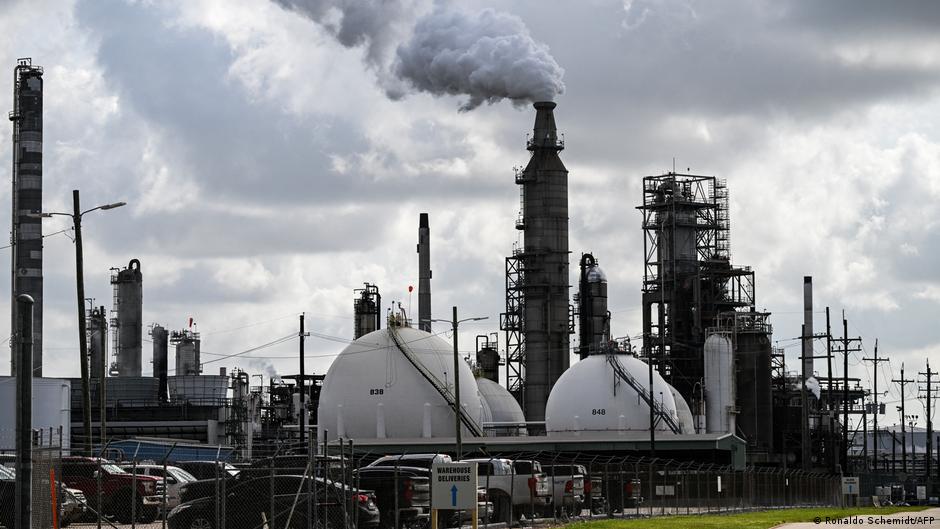
Global oil stocks declined by a record 200 million barrels in April amid Middle East tensions, pushing inventories close to eight-year lows despite demand drops.