Russia Hits Highest Weekly Maritime Oil Exports Since Early 2026 Amid Market Shifts
Russian maritime oil exports surged to a 2026 peak despite US-Iran negotiations impacting global oil prices.
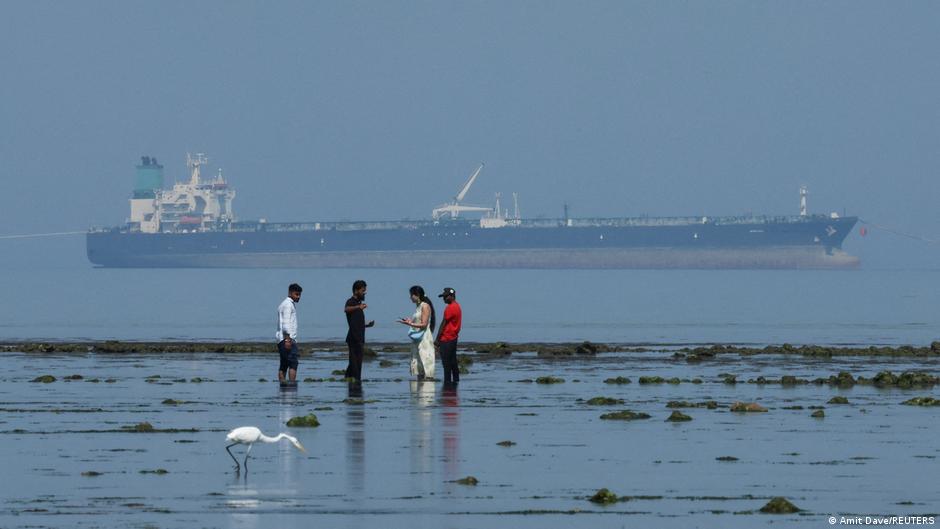
Russia's maritime oil exports reached their highest weekly level since early 2026, according to Bloomberg's analysis, even as global oil prices fell amid ongoing peaceful negotiations between the United States and Iran.
Between June 15 and June 21, a total of 38 tankers carried 28.79 million barrels of Russian crude oil—equivalent to 4.11 million barrels per day. Bloomberg estimates this as the most substantial weekly volume since the start of 2026. This upswing in exports has already exceeded Russia's average annual export levels recorded since the full-scale invasion of Ukraine began.
Unlike previous periods, much of the Russian crude is currently en route to destinations rather than idling offshore, signaling an active and vibrant export market.
Sanctions Suspension and Market Dynamics
The surge in Russian oil exports follows the temporary suspension of U.S. sanctions on Russian maritime oil, a move aimed at mitigating the fuel supply disruptions caused by the blockade of the Strait of Hormuz amid the conflict with Iran. This suspension, effective until June 17, has not yet been extended.
While this easing has allowed Russia to boost exports, the geopolitical détente between Washington and Tehran has introduced new competitive pressures. The reopening of the Strait of Hormuz and the lifting of port blockades for Iranian oil shipments have increased global supply, pushing down world oil prices by approximately 16%.
"The return of Iranian oil to the market following the U.S.-Iran memorandum has intensified competition, forcing Russia to navigate both higher export volumes and falling prices," Bloomberg noted.
According to Argus Media's calculations, the price of Russian crude grades, primarily Urals and ESPO, declined by about 20% over the last week. Further compounding the price pressure are recent attacks by Ukrainian forces targeting Russian refineries, potentially compelling Russia to export more raw crude rather than processing it domestically—an action likely to further depress prices.
Moreover, the renewed Iranian supply threatens to displace Urals crude in key markets such as India. To maintain market share, Russia may be compelled to increase export discounts, intensifying sectoral competition and influencing trade flow dynamics.
In summary, while Russia has managed to elevate its maritime oil exports to a record weekly volume for the year, it faces significant headwinds from geopolitical developments and market supply shifts that are driving down crude prices and altering export strategies.