US Senate Passes Broad Sanctions on Russia, EU and Ukraine Praise Move
The US Senate approved extensive sanctions targeting Russia’s energy sector and officials, with strong support from EU and Ukrainian leaders.
The US Senate has approved a comprehensive sanctions package aimed at curbing Russia's financial resources amid its ongoing war in Ukraine. The legislation, named after the late Senator Lindsey Graham, received bipartisan support and was welcomed by key European and Ukrainian officials.
Details of the Sanctions and Political Reactions
The sanctions target Russian officials, oligarchs, banks, the energy sector, and Russia’s so-called "shadow fleet," which is used to circumvent export restrictions on oil. The bill also grants the US President authority to impose tariffs up to 100% on imports from countries that are major buyers of Russian oil and gas, with exemptions for nations importing less than 15% of their natural gas from Russia and actively working to reduce reliance.
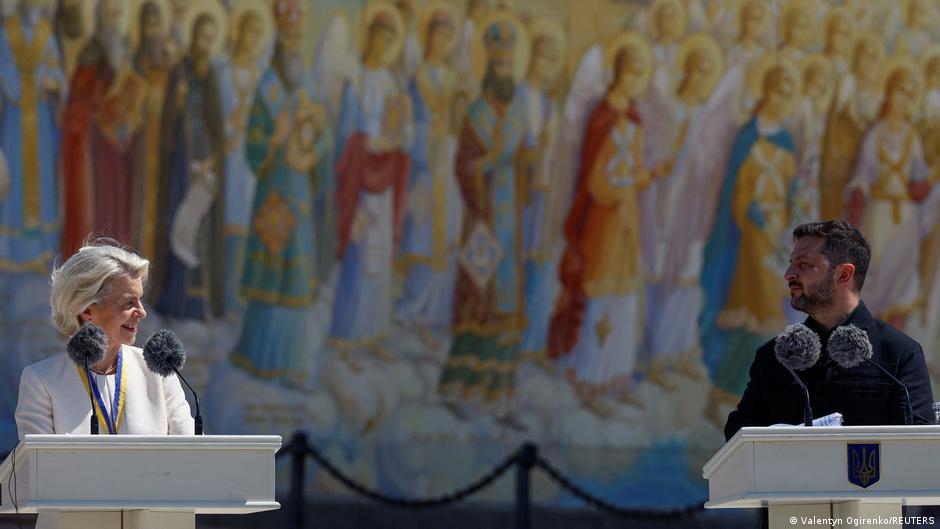
"Let us together deprive Russia of the means to continue a war it cannot win," said Ursula von der Leyen, President of the European Commission. "Through tough and complementary sanctions, Europe and the United States can once again demonstrate what historic partners can achieve when acting in unison."
Von der Leyen publicly praised the Senate vote on August 7, emphasizing the importance of coordinated pressure to hinder Russia’s war efforts.
Ukrainian President Volodymyr Zelensky also expressed gratitude for the Senate’s decision, highlighting the impact of the new sanctions in increasing pressure on Russia to end its aggression. However, Zelensky reiterated Ukraine's urgent need for Patriot missile systems to strengthen its air defense, a request previously denied by former US President Donald Trump. He stressed that with ongoing ballistic missile threats, support for missile defense remains critical to protect lives and expedite peace.
The Senate passed the sanctions package with a decisive vote of 86 to 11. The bill will now move to the House of Representatives for consideration, with a vote expected after the summer recess in early September.
Market Implications and Sector Impact
The sanctions are poised to further restrict Russia’s ability to export energy resources, which could influence global energy markets and trading volumes. Investors and traders should anticipate volatility in energy sector stocks and commodities sensitive to Russian supply disruptions.
Moreover, the provision allowing tariffs on countries heavily reliant on Russian oil and gas could reshape international trade flows, potentially accelerating sector rotation within energy and materials markets as countries adjust to new supply dynamics.
Market participants will be closely monitoring the implementation timeline and any exemptions applied, particularly regarding natural gas imports, to gauge the sanctions' full economic impact.