EU Sanctions Deadline Puts Russian Billionaires and Market Risk in Focus
Kaja Kallas urged EU ambassadors to extend Russia sanctions as a midnight deadline approached amid disputes over Alisher Usmanov and Mikhail Fridman.
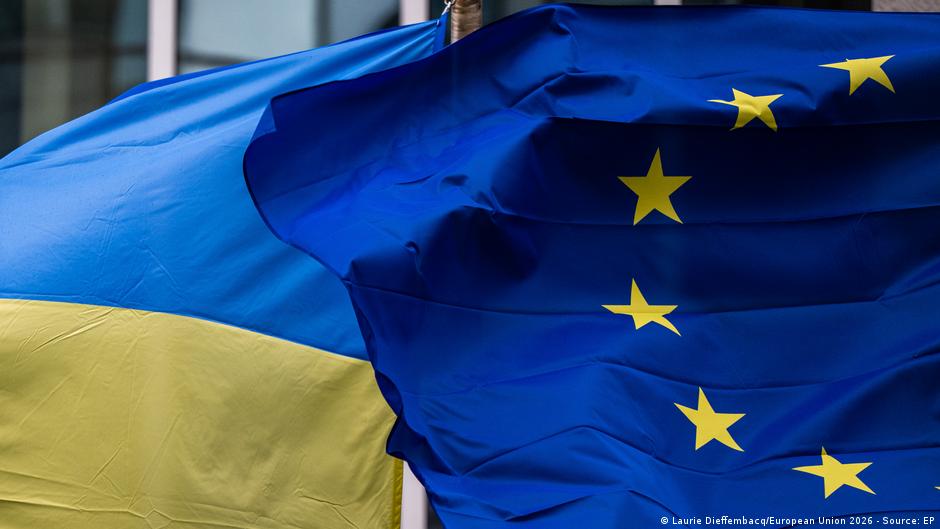
European Union foreign policy chief Kaja Kallas urged member-state ambassadors to renew sanctions against Russia, keeping a key geopolitical risk event in focus for markets tracking Europe’s policy response to the war in Ukraine. The call came ahead of a new meeting of permanent representatives of EU countries, after envoys had previously failed to agree on a six-month extension because of disagreements involving Russian billionaires Alisher Usmanov and Mikhail Fridman.
Speaking to journalists in New York on Monday, September 21, Kallas said the sanctions remain an important part of the EU’s pressure campaign against Moscow over the war in Ukraine. She said the measures are designed to deprive Russia of financing, underscoring that Brussels sees sanctions not only as a diplomatic instrument but also as a financial constraint on Russia’s capacity to sustain the conflict.
“Sanctions are a key element of our response to the war unleashed by Russia,” Kallas said.
For market participants, the immediate focus is the timing and scope of any decision by EU ambassadors. Sanctions decisions can affect risk appetite across European assets, energy-linked trades and companies exposed to Russia-related compliance rules. The current dispute centers on whether restrictions should be lifted from Usmanov and Fridman while keeping restrictive measures in place against thousands of other individuals and entities.
Decision Due as Deadline Nears
The next meeting of EU countries’ permanent representatives is scheduled for the morning of September 22 in Brussels, according to a DW correspondent citing an EU diplomat. The agenda includes discussion of removing sanctions from Usmanov and Fridman while preserving broader measures against other sanctioned persons and organizations.
The timing matters because EU ambassadors on September 14 failed to agree on the next six-month extension of sanctions imposed on Russia over its violation of Ukraine’s territorial integrity. Instead, they opted to keep the current regime in place only during further consultations, with that temporary extension running until midnight on September 22.
Kallas said representatives of EU countries were seeking to complete negotiations on extending the punitive measures against Russia soon and to ensure their rapid entry into force. She also stressed that the EU’s position remains unchanged and that Brussels is already working on a new sanctions package.
The unresolved talks highlight how sanctions policy can become a source of intra-EU friction even when the bloc’s broader stance on Russia remains formally consistent. Any failure to secure an extension would represent a politically significant development, while a narrow compromise could leave markets parsing which individuals remain covered and how future packages may be structured.
Dispute Over Usmanov and Fridman
According to DW sources speaking on condition of anonymity, the disagreements were connected to Slovakia’s push to remove Usmanov and Fridman from the sanctions list. France, in turn, blocked the extension of the sanctions regime while seeking to exclude Usmanov from it. Reuters reported on September 21, citing diplomatic sources, that Luxembourg also supported removing Fridman from the punitive measures.
The debate over individual names has created a procedural bottleneck for a wider sanctions framework that covers thousands of people and entities. In market terms, that distinction is important: the issue is not only whether two high-profile businessmen remain sanctioned, but whether disagreement over their status could delay or complicate a broader EU restrictions regime tied to Russia’s war in Ukraine.
Usmanov and Fridman are among the Russian billionaires whose sanctions status is being discussed by EU representatives. The source article does not provide details on their assets, companies or market holdings, but the political significance of the debate is clear: member states are weighing specific delisting requests against the EU’s stated objective of maintaining pressure on individuals associated with Russia’s power structure.
Ukraine has criticized the possibility of lifting sanctions from both Russian billionaires. Ukrainian Foreign Minister Andrii Sybiha said Usmanov and Fridman had been included in sanctions lists because of their belonging to what he described as the “Russian aggressive regime” waging a war of conquest against Ukraine. Sybiha said nothing had changed since then.
For investors and corporate compliance teams, the September 22 deadline is a short-term watchpoint. A successful extension would preserve continuity in the EU sanctions framework, while continued disagreement could add uncertainty around implementation, legal exposure and future enforcement. Kallas’s comments signal that Brussels is seeking to keep the sanctions architecture intact and move quickly from renewal talks to a new package, keeping Russia-related restrictions on the policy calendar beyond the immediate deadline.