Germany Plans Extra €100 Million for Ukraine’s Winter Infrastructure
Berlin’s proposed funding would support energy storage, generators and repairs as intensified Russian attacks heighten winter risks.
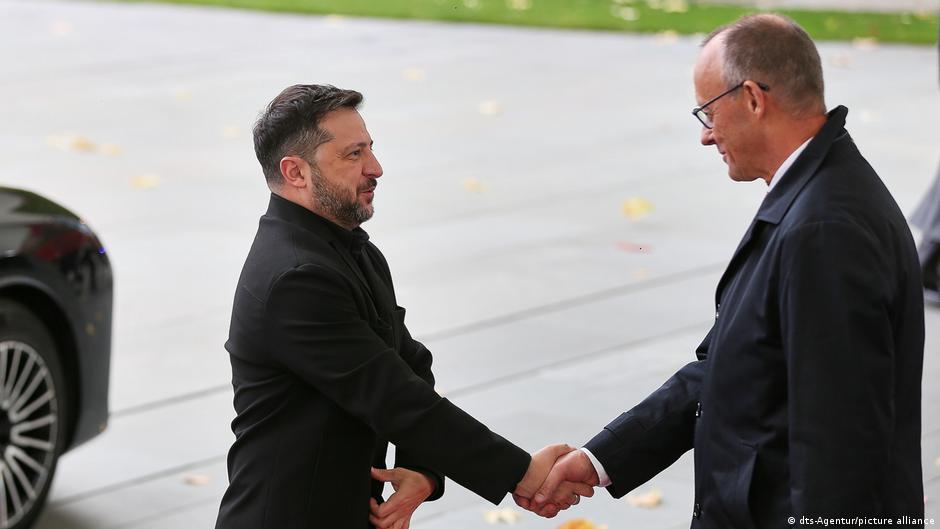
Germany plans to provide Ukraine with an additional €100 million to reinforce critical infrastructure ahead of winter, according to a letter from the German Finance Ministry to the Bundestag’s budget committee that was seen by Reuters.
The proposed unplanned expenditure responds to a worsening humanitarian situation and escalating damage to Ukraine’s essential systems. For markets, the announcement brings renewed attention to the country’s acute power-supply constraints, the cost of maintaining public services and the continuing demand for emergency energy equipment.
The ministry said Russian attacks on Ukrainian energy, water and transport infrastructure had intensified since July 2026 to an “unprecedented level.” By the fifth year of the war, Ukraine had lost as much as 80% of its electricity-generation capacity, according to the letter.
That scale of disruption leaves electricity availability as a central variable for Ukraine’s economy going into the colder months. Reliable power is necessary not only for households and public institutions but also for industrial production, logistics, telecommunications and commercial activity. Further damage could increase operating costs and deepen dependence on emergency equipment and external financial assistance.
Generators and energy storage in focus
The additional German funding is intended in part to finance the purchase of generators and battery energy-storage systems. The package would also support repairs to damaged infrastructure and winter preparations at about 2,000 schools and kindergartens.
The planned mix of spending highlights the two-track response required by Ukraine’s infrastructure crisis. Generators can provide immediate backup when grid power is unavailable, while battery systems can store electricity and help institutions manage interruptions. Repairs, meanwhile, are needed to restore damaged facilities and preserve the operation of networks exposed to repeated attacks.
Russian attacks on energy, water and transport infrastructure have intensified since July 2026 to an “unprecedented level,” the German Finance Ministry said.
The €100 million proposal is incremental support rather than a complete reconstruction package. Its near-term emphasis is on resilience: maintaining access to power, repairing critical facilities and preparing public institutions for winter conditions. The focus on schools and kindergartens also connects energy security directly with the continuity of education and childcare.
Market implications center on power and logistics risks
The announcement is relevant to market participants monitoring European power systems, infrastructure spending and the economic effects of the war. Ukraine’s loss of generation capacity creates persistent demand for distributed power equipment, storage technology and repair services. It also increases sensitivity to the timing and severity of further attacks during the winter.
No trading-volume figures, asset-price reactions or sector performance data were disclosed with the funding plan. The immediate market signal therefore comes from the underlying infrastructure assessment rather than a reported move in equities, bonds, currencies or commodities. The ministry’s description points to elevated operational risk across power-intensive industries and transport-dependent supply chains.
Damage to water and transport networks broadens the exposure beyond electricity generation. Water infrastructure requires dependable power for pumping and treatment, while transport systems are essential for domestic distribution, cross-border trade and the delivery of humanitarian and military supplies. Disruptions across these networks can reinforce one another, increasing the economic impact of individual attacks.
For suppliers, the planned procurement could support demand for generators, batteries and related infrastructure services. However, the letter did not identify contractors, procurement schedules or allocations among equipment purchases, repairs and winter preparations. It also did not specify when the budget committee would consider the request or when funds could be disbursed.
Budget approval remains the next key event
The German government’s intention to seek additional funding places the Bundestag budget committee at the center of the next procedural step. Because the expenditure is outside previously planned spending, the committee letter provides the fiscal justification by linking the request to the deteriorating humanitarian situation and the intensified campaign against infrastructure.
Investors and companies exposed to the region will be watching for approval, procurement details and evidence that equipment can be deployed before severe winter conditions. The effectiveness of the package will depend not only on the amount provided but also on the speed of purchasing, delivery and installation at damaged or vulnerable sites.
The proposed aid underscores the widening economic consequences of sustained attacks on Ukraine’s civilian infrastructure. With electricity-generation capacity severely reduced and public facilities requiring winter preparation, emergency energy supply and infrastructure repair remain immediate priorities for Kyiv and its European partners.