German EV Registrations Surge 80% as Chinese Brands Gain Market Share
Electric vehicles captured about 94,000 German registrations in October, while domestic automakers continued to lose ground.
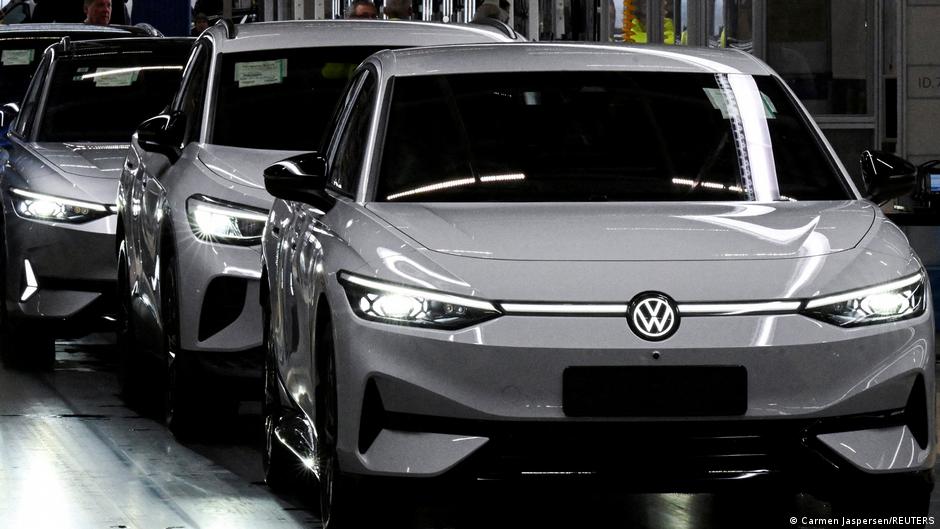
Germany’s electric-vehicle market accelerated sharply in October 2026, delivering a significant shift in the country’s automotive sales mix as Chinese manufacturers expanded their share and German carmakers continued to lose ground.
About 254,500 new passenger cars were registered during the month, according to Germany’s Federal Motor Transport Authority, known as the Kraftfahrt-Bundesamt, or KBA. Fully electric models accounted for roughly 94,000 of those registrations, an increase of about 80% from the corresponding period in 2025.
The figures point to sustained demand for battery-powered vehicles in Europe’s largest automotive market. They also underline a widening divide between overall electric-car growth and the performance of Germany’s established manufacturers, which have not emerged as the principal beneficiaries of the expanding market.
Chinese Manufacturers Capture a Larger Share
Foreign automakers are taking the largest gains from Germany’s rapid adoption of electric vehicles, with Chinese producers recording the strongest advance. Consulting firm EY said their market share increased from 5.2% to 8.4%.
That 3.2-percentage-point rise represents a notable change in competitive positioning at a time when German manufacturers are losing electric-vehicle market share month after month. The trend places competitive pressure on domestic groups even as the broader market for electric models continues to grow.
Chinese manufacturers increased their German market share from 5.2% to 8.4%, while domestic producers continued to surrender ground in electric vehicles.
For market participants tracking the auto sector, the October data present a mixed signal. Demand conditions for electric vehicles are strengthening, but the distribution of that growth is moving toward foreign competitors. The shift means that rising registrations do not necessarily translate into improving earnings prospects for Germany’s major automotive companies.
The source figures do not provide company-level sales volumes or trading data, but the market-share movement highlights a key factor for investors assessing the sector: manufacturers’ exposure to electric-vehicle demand matters less if they cannot defend their position against faster-growing rivals.
Combustion-Engine Registrations Fall Sharply
The expansion in fully electric registrations coincided with a steep decline in demand for vehicles using internal-combustion engines, a category that also includes hybrid cars in the reported figures. Approximately 62,400 such vehicles were newly registered in October 2026, according to the KBA, sharply fewer than in October of the previous year.
The opposing moves show a clear rotation within the German new-car market. Fully electric vehicles represented about 94,000 registrations, compared with roughly 62,400 for combustion-engine and hybrid models as categorized in the source data. The remainder of the approximately 254,500 total registrations was not detailed in the source article.
High fuel prices and a government subsidy program for electric-vehicle purchases were identified as the main drivers of the change. The subsidy scheme began in May 2026, offering motorists a financial incentive to choose electric models as Germany also faced an energy crisis.
The October numbers therefore reflect both consumer economics and policy support. Elevated fuel costs make conventional vehicles less attractive to drivers, while subsidies reduce the financial barrier to buying an electric car. Together, those forces helped lift annual demand for electric vehicles by around 80%.
Sector Growth Fails to Reverse Profit Pressure
The rapid growth of Germany’s electric-car market comes as the country’s automotive groups continue to lose profit. The divergence is important for the sector’s market outlook: a fast-expanding end market can still leave incumbent manufacturers under pressure when competitors capture a rising proportion of new sales.
German producers’ persistent loss of electric-vehicle share suggests that the shift in demand is intensifying competition rather than providing uniform support across the domestic industry. Chinese manufacturers, in particular, are converting the market’s expansion into a larger presence, while German groups face the challenge of protecting sales and profitability during the transition.
October’s registration report offers a clear snapshot of the changing market structure. Battery-electric demand remains high and is still increasing, combustion-engine demand has weakened sharply, and government support is influencing purchasing decisions. Yet the fastest market-share growth is occurring among Chinese brands, not among Germany’s established carmakers.
For investors, the next key signal will be whether domestic manufacturers can stabilize their electric-vehicle share while the subsidy-backed demand cycle continues. The latest data show that the market is expanding rapidly, but competitive gains remain unevenly distributed.