Russian Diesel Tankers Divert as Trump-Putin Import Deal Faces Risk
Two vessels carrying Russian fuel have changed course as sanctions concerns complicate a US import plan intended to ease diesel prices.
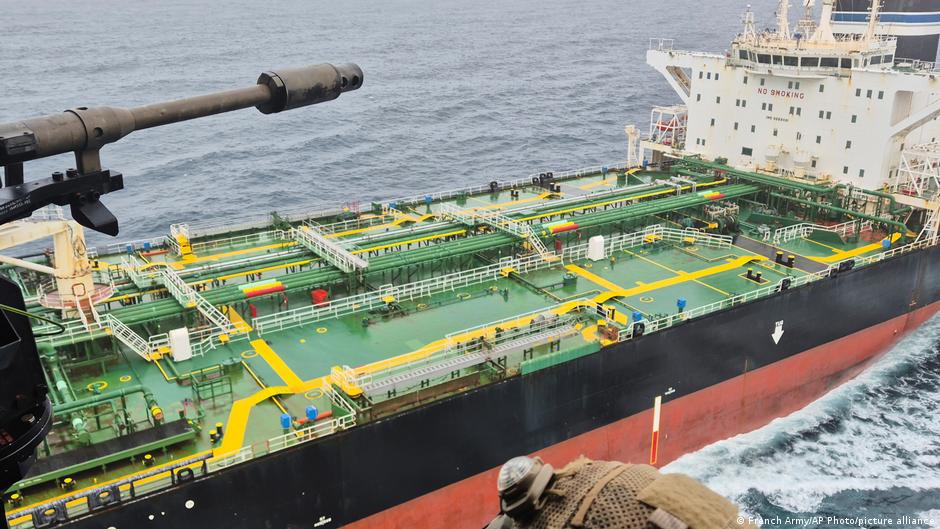
Two of three oil tankers carrying Russian fuel toward the United States have changed course, putting a diesel import agreement between US President Donald Trump and Russian President Vladimir Putin at risk, the Financial Times reported on Wednesday, November 4.
The diversions introduce fresh uncertainty into US diesel markets after futures prices climbed more than 60% since the start of the war in Iran. At the beginning of November 2026, the average retail price of diesel at US filling stations stood at about $6.30 a gallon, equivalent to $1.66 a liter.
The import initiative was agreed several weeks before the November 3 US congressional midterm elections. Trump sought Russian diesel supplies in an effort to lower domestic fuel prices and reinforce political support, but the plan now faces regulatory, legal and sanctions-related obstacles that appear to be deterring potential American buyers.
Tankers Drop US Destinations
The Russian tanker Talisman and the Hong Kong-owned Leruo, which sails under the flag of Sierra Leone, no longer identify the US Atlantic coast as their destination, according to the report. Both vessels are subject to European Union sanctions.
Leruo changed course toward Brazil on November 2. Talisman entered the Mediterranean Sea and was located off the Algerian coast while transmitting a “for orders” signal. In shipping markets, that designation indicates that a cargo does not yet have a confirmed buyer or destination port.
The changes are significant because the vessels had been among the limited number of tankers expected to deliver Russian diesel under the Trump-Putin arrangement. Their movements suggest that sanctions exposure and compliance concerns may be disrupting the physical flow of fuel before cargoes reach US ports.
A third tanker, Agioi Fanendes, continues to sail toward the United States but is also transmitting “for orders.” The vessel is owned by Greek shipping company Eastern Mediterranean Maritime and is scheduled to arrive in New York over the weekend.
“However, given the apparent caution of US buyers due to regulatory, legislative and sanctions risks, it would not be surprising if this tanker also changed course and abandoned its US call,” Kpler analyst Matt Smith told the Financial Times.
The vessel’s status leaves traders watching its tracking data for evidence of either a confirmed US discharge or another diversion. A change of course by Agioi Fanendes would deepen doubts about whether the import agreement can translate into meaningful near-term supply for the American market.
Fourth Vessel Maintains Atlantic Course
Another sanctioned tanker, Beast, loaded fuel at the Russian port of Primorsk on October 27 and continues to head toward the US Atlantic coast, according to the report. The vessel is owned by companies based in the Seychelles.
Beast’s continued course means Russian supply has not disappeared entirely from the prospective import flow. However, the combination of sanctions designations, unconfirmed buyers and changing vessel destinations makes the timing and volume of any US deliveries uncertain.
For fuel traders, the immediate focus is on whether the remaining vessels secure purchasers and port clearance. Tanker movements can provide an early indication of physical-market stress, particularly when cargoes remain unallocated while benchmark prices are already elevated.
The situation also highlights a widening gap between the political announcement of additional supply and the practical requirements of completing sanctioned oil-product trades. Even if cargoes are available, buyers, banks, insurers, shipowners and terminal operators may face separate compliance assessments before a shipment can be discharged.
Price Pressure and Political Fallout
The threatened disruption comes against a backdrop of sharp diesel inflation. Futures have risen by more than 60% since the Iranian war began, while US pump prices near $6.30 a gallon have increased the economic and political importance of securing additional supply.
Trump’s agreement with Putin was designed to use Russian diesel imports to reduce those costs in the weeks before the congressional vote. The initiative, however, did not deliver the intended political benefit for the Republican Party.
In the November 3 elections, Democrats won majorities in both the US Senate and House of Representatives. The outcome leaves the diesel deal facing not only commercial and sanctions-related uncertainty but also a changed political environment in Congress.
Market participants are now likely to track the destinations and signaling status of Talisman, Leruo, Agioi Fanendes and Beast, alongside movements in diesel futures and US retail prices. With two vessels already diverted and another lacking a confirmed order despite approaching New York, the prospective supply relief remains uncertain.