White House Talks on Oleshky Ceasefire Put Geopolitical Risk in Focus
Melania Trump will meet Russian and Ukrainian representatives and report on a humanitarian mission conducted during the temporary ceasefire.
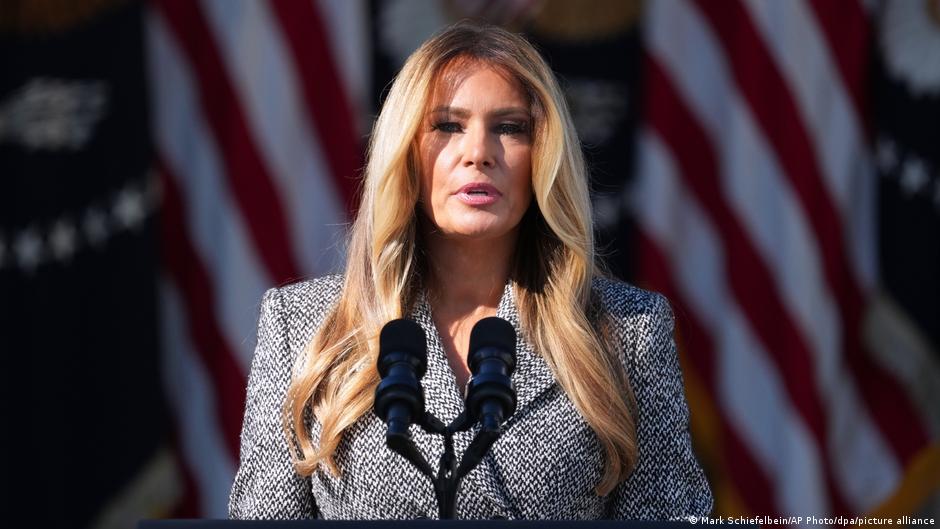
WASHINGTON — US First Lady Melania Trump is set to discuss the ceasefire in the Russian-occupied city of Oleshky with representatives of Ukraine and Russia at the White House, bringing renewed attention to geopolitical risk surrounding the war and the potential for narrowly focused humanitarian agreements.
The planned meeting was announced on the White House’s official website on Tuesday, November 3. The city, called Alyoshki in Russian, is located in Ukraine’s Kherson region and remains under Russian occupation.
Trump is also scheduled to deliver an official statement on Thursday, November 5, at 11 a.m. Eastern Time on the outcome of the humanitarian mission in Oleshky. The announcement did not specify whether her meeting with representatives from Kyiv and Moscow would take place on the same day.
Markets Watch for Evidence of Broader Diplomatic Momentum
For investors, the event is a breaking geopolitical development rather than a conventional policy negotiation. The source report provided no information about immediate moves in equities, currencies, commodities, bonds or trading volumes. Still, market participants routinely monitor contacts between Russia, Ukraine and the United States for signs that limited humanitarian arrangements could develop into wider diplomatic engagement.
The meeting’s market significance will therefore depend on the language used by participants, whether further ceasefires are discussed and whether officials indicate that the Oleshky arrangement could be repeated elsewhere. Without such signals, the event may remain primarily humanitarian in scope rather than becoming a catalyst for sustained sector rotation or a repricing of regional risk.
Energy, agricultural commodities, European assets and defense-related stocks are among the areas generally sensitive to developments in the Russia-Ukraine war. However, the source article reported no fresh sanctions measures, changes to energy supplies, disruptions to agricultural exports or other economic decisions connected with the White House meeting.
Delegations Expected From Kyiv and Moscow
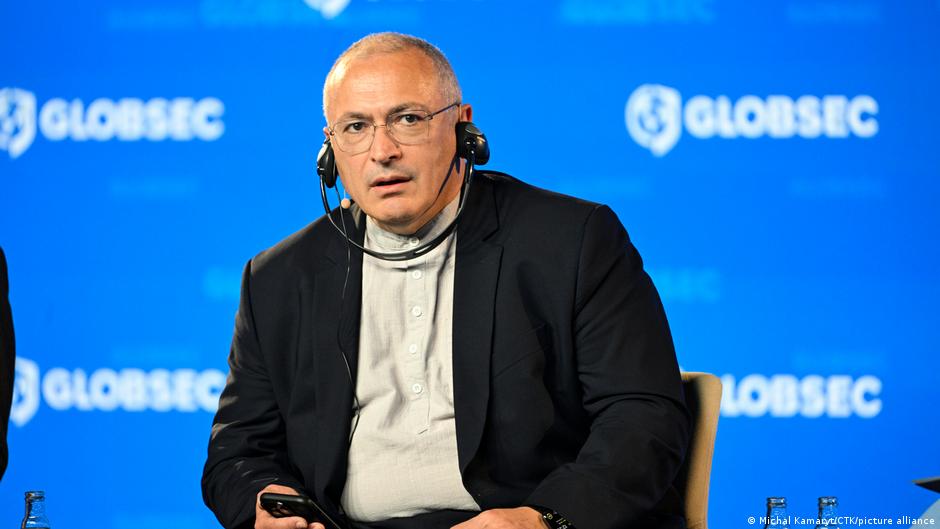
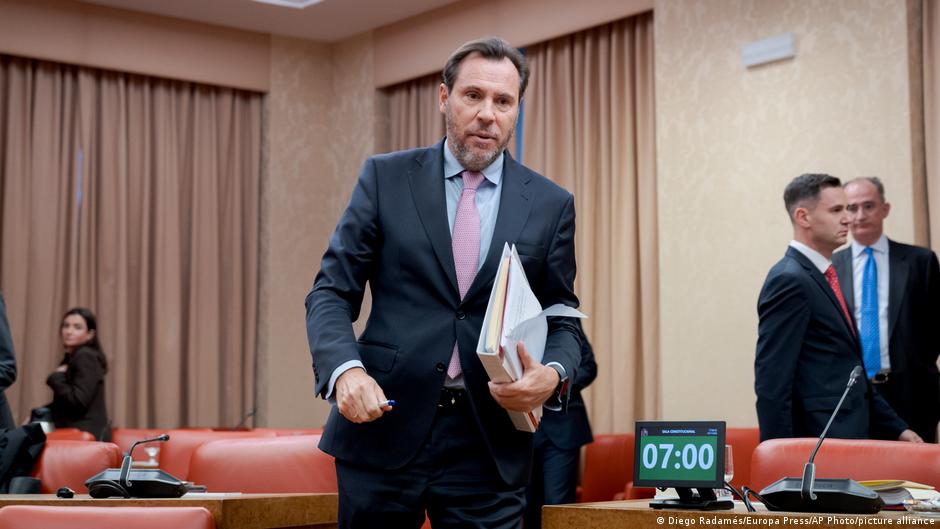
According to the Ukrainian news agency RBC-Ukraine, the Ukrainian side will be represented at the White House by Davyd Arakhamia, head of the Servant of the People parliamentary faction, and Dmytro Lubinets, the Ukrainian parliament’s commissioner for human rights.
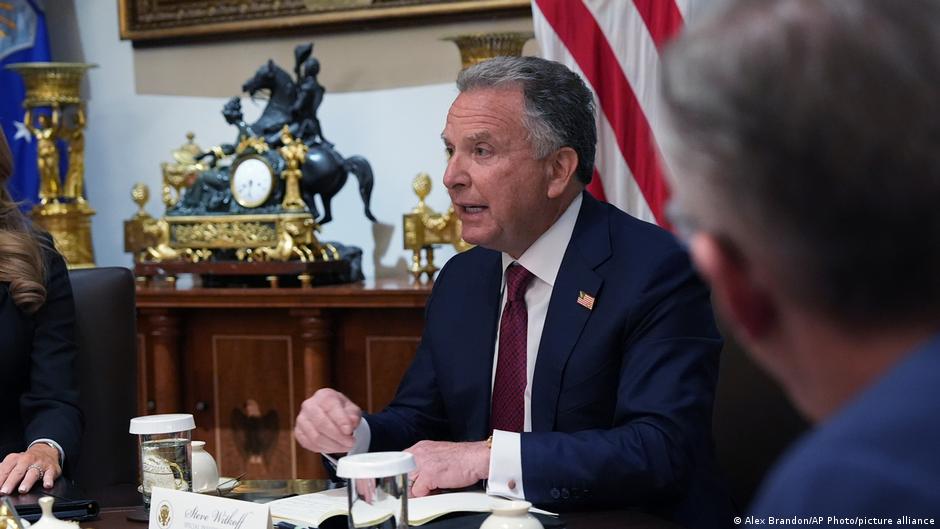
Russia is expected to send Kirill Dmitriev, a special representative of Russian President Vladimir Putin, and ombudsperson Yana Lantratova, the report said. Their expected participation places political and human-rights officials around the same table, consistent with the humanitarian character of the earlier ceasefire.
No detailed agenda, expected duration or formal negotiating framework was disclosed in the source material. It also remains unclear whether the participants intend to announce new commitments after the talks.
Temporary Truce Enabled Civilian Evacuations
The ceasefire in Oleshky and nearby districts began early on October 27 and ended at 10:59 p.m. on November 1. It resulted from agreements between the sides reached with the participation of Melania Trump.
Moscow and Kyiv have described the first lady as a key mediator in arranging the temporary cessation of hostilities. Her scheduled remarks are expected to address the results of the humanitarian operation conducted during that window.
The ceasefire began early on October 27 and concluded at 10:59 p.m. on November 1.
Hundreds of civilians were evacuated from the city as part of the operation, while humanitarian supplies were also delivered to Oleshky. The source did not provide a more precise evacuation figure or details about the quantity and composition of the aid shipments.
The tightly defined duration and geographic scope distinguish the agreement from a broader ceasefire. For real-time markets, that limits the immediate economic conclusions that can be drawn from the event. A local humanitarian pause does not by itself establish a wider path toward ending the conflict, restoring trade routes or reducing sanctions-related uncertainty.
Nevertheless, investors will scrutinize Thursday’s statement and any subsequent readout for evidence of continued communication among Washington, Kyiv and Moscow. Specific indications of another humanitarian corridor, an extension of local arrangements or follow-up negotiations could carry more weight than ceremonial language alone.
Until further details emerge, the White House engagement represents a diplomatic signal with uncertain market consequences. The immediate focus remains the humanitarian outcome in Oleshky and whether the temporary arrangement produces additional talks or similar ceasefires in nearby areas.