Russia-Ukraine Talks Set for Abu Dhabi as Markets Track Peace Effort
US-mediated working groups will meet on November 10-11, with security guarantees, de-escalation and reconstruction financing in focus.
Russia and Ukraine will hold a new round of US-mediated negotiations in Abu Dhabi on November 10 and 11, creating a fresh geopolitical event for markets sensitive to developments in the war and the prospects for a broader peace agreement.
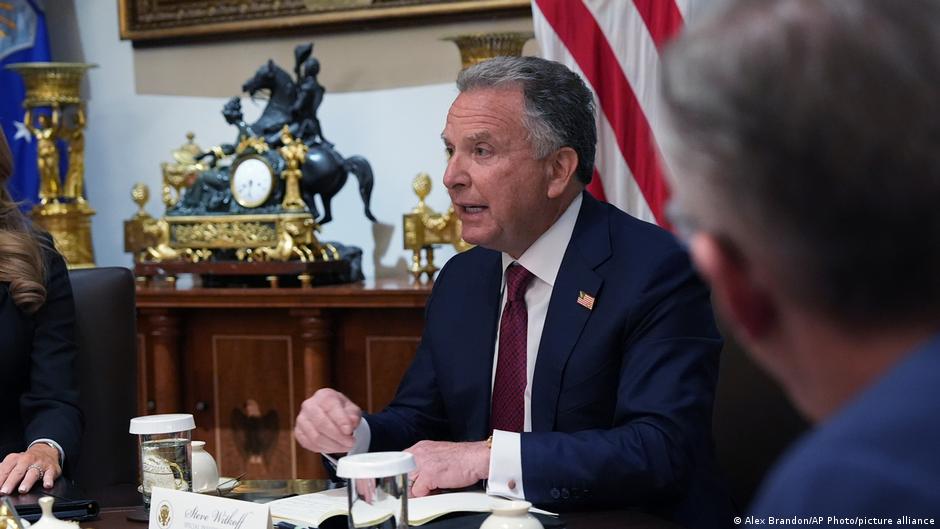
Steve Witkoff, US President Donald Trump’s special envoy, announced the schedule on Tuesday, November 3. He said the negotiations in the capital of the United Arab Emirates would take place at the working-group level as part of Trump’s effort to end Russia’s war against Ukraine.
“The discussions will focus on postwar security, de-escalation, humanitarian initiatives and the next steps toward peace,” Witkoff wrote on X.
For market participants, the Abu Dhabi meeting establishes a clear near-term date around which geopolitical expectations may develop. The agenda spans several issues with potential implications for regional risk, European security policy and the financing of Ukraine’s eventual reconstruction. However, Witkoff did not announce an agreement, ceasefire or timetable for concluding the conflict.
Security and reconstruction enter the market agenda
US negotiators will also meet representatives of France, Germany, the United Kingdom, the European Union and NATO in Brussels this week, according to Witkoff. Those discussions will cover security guarantees for Ukraine, Europe’s postwar security architecture and options for providing economic support for Ukraine’s reconstruction.
The Brussels consultations broaden the diplomatic track beyond the direct Russia-Ukraine working groups. For investors following European markets, the subjects under discussion touch on government spending, defense priorities and the longer-term allocation of capital for reconstruction. The source announcement did not provide estimates for funding requirements, specify financial commitments or identify particular projects.
The sequence also leaves traders assessing two connected processes: the November negotiations between Russia and Ukraine in Abu Dhabi, and the allied discussions in Brussels on the framework that could follow a settlement. Progress on one track may shape expectations for the other, although the announcement offered no details about the composition of the delegations or the format of individual sessions.
Witkoff said the United States hoped to consolidate progress made in Kyiv, Oslo and St. Petersburg. He framed the objective as a comprehensive and durable peace agreement intended to provide long-term security for future generations.
“We hope to consolidate the progress achieved in Kyiv, Oslo and St. Petersburg on the path toward a comprehensive and lasting peace agreement,” Witkoff said.
Diplomatic activity builds ahead of November meetings
The planned round follows a series of contacts involving senior Ukrainian and Russian leaders. In October, Witkoff met Ukrainian President Volodymyr Zelenskyy in Oslo. He subsequently traveled to St. Petersburg, where he held talks with Russian President Vladimir Putin.
Those meetings now form the diplomatic backdrop to the Abu Dhabi working groups. The stated agenda suggests that negotiators will address both immediate measures, including de-escalation and humanitarian initiatives, and longer-term questions about security after the war.
The previous round of US-mediated negotiations between Russia and Ukraine took place in February 2026, shortly before the beginning of the US and Israeli war against Iran. The November sessions therefore mark a return to the formal trilateral mediation format after a gap of several months and amid a wider set of geopolitical risks.
From a real-time market perspective, the next potentially significant signals will be whether the parties confirm substantive progress, agree on further meetings or provide greater detail on security and economic arrangements. Any official statement on de-escalation could become relevant to risk sentiment, while reconstruction discussions may draw attention to sectors positioned for postwar investment.
Until concrete outcomes emerge, the announcement primarily supplies markets with a diplomatic calendar and a defined set of negotiating themes. The Abu Dhabi talks are scheduled for November 10-11, while the allied consultations in Brussels are due to take place this week. Investors will be watching official communications from Washington, Kyiv, Moscow and European governments for evidence that the process is moving beyond preliminary working-group discussions toward enforceable commitments.