US Court Rejects Trump Bid to Block Alaska Senate Result Certification
The Justice Department plans to appeal as the closely watched Alaska contest remains pivotal to control of the US Senate.

A US federal court rejected an attempt by President Donald Trump’s administration to prevent certification of Alaska’s Senate election results if incumbent Republican Senator Dan Sullivan loses, removing an immediate legal obstacle ahead of a race considered crucial to control of the chamber.
The ruling, issued on Sunday, November 1, leaves the existing certification process in place before the November 3 midterm elections. For markets tracking US political risk, the decision focuses attention on the Alaska count and the broader contest for Senate control, which can influence expectations for legislation and the federal policy agenda.
The administration’s case centered on the candidacy of Daniel J. Sullivan Jr., a retired teacher who shares a surname with the incumbent senator. The Justice Department argued that his presence on the ballot could confuse voters and affect the outcome of the contest.
Federal Judge Sharon Gleason concluded that the Justice Department lacked the necessary legal grounds to bring the case. In a 20-page ruling, she also said federal authorities had not provided a practical way to determine voters’ intentions without violating ballot secrecy.
The court found no workable mechanism for examining whether votes cast for the second Sullivan had been intended for the incumbent while preserving the confidentiality of the ballot.
Certification Challenge Targets Potential Peltola Victory
The Justice Department had sought a specific restriction in the event of a victory by Democrat Mary Peltola. It asked that officials be prevented from certifying the formal result until authorities could establish whether voters who selected Daniel J. Sullivan Jr. had actually meant to support Senator Dan Sullivan.
The court’s rejection means that officials are not currently subject to the requested federal order. The Justice Department said after the decision that it intended to appeal, keeping open the possibility of further litigation while election preparations and political positioning continue.
The dispute arose after The New York Times reported that political consultants connected to Peltola may have been involved in recruiting the namesake candidate to enter the election. Peltola denies the allegations. Reuters said it had been unable to verify the newspaper’s reporting independently.
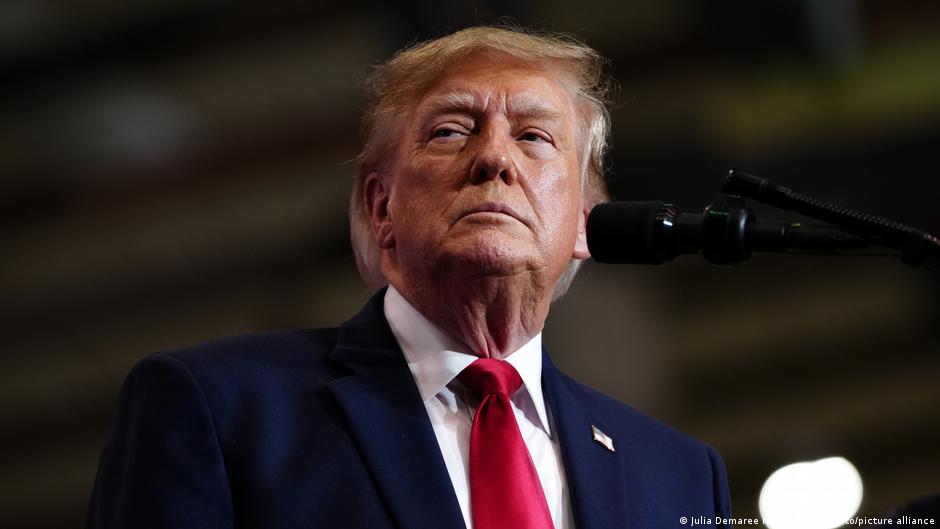
Trump responded on his Truth Social platform by writing that the “fake Daniel J. Sullivan Jr. has disappeared.” He also renewed his criticism of his political opponents. The source report did not provide further details about the candidate’s status or explain what Trump meant by the statement.
Alaska Race Adds to Senate Control Uncertainty
The Alaska contest is regarded as one of the key races in the battle for control of the US Senate. Elections for both the House of Representatives and the Senate are scheduled for November 3, placing the court decision immediately before voting in a nationally consequential cycle.
The ruling does not determine the election result and does not resolve the underlying political allegations. Its immediate effect is narrower: the federal government failed to secure an order that would have blocked certification under the conditions described in its lawsuit.
From a real-time market-intelligence perspective, the legal decision is a breaking political event rather than a confirmed market-moving price signal. No figures for equity moves, bond yields, currency trading or transaction volumes were included in the source material. The relevant trading consideration is therefore the potential policy uncertainty associated with the Senate balance, rather than any documented reaction across asset classes.
Investors commonly monitor chamber control because it shapes the path for fiscal measures, nominations and other legislative priorities. In this case, however, the court action adds a procedural layer to an already competitive race without establishing who will win or how quickly any appeal may proceed.
The planned appeal could keep certification procedures under scrutiny after the vote. Any subsequent court action would be assessed alongside incoming results from Alaska and other Senate contests, as traders evaluate whether the balance of power is becoming clearer or remains contested.
For now, the federal ruling denies the administration’s effort to halt certification based on possible voter confusion involving the two Sullivan candidates. Attention returns to the November 3 vote, the Alaska tally and the wider Senate map, with the Justice Department preparing its next legal step.