Russian Gas Transit Plan Puts European Energy Markets on Alert
A US proposal to restart Russian gas flows through Ukraine could reshape European supply expectations and challenge the EU’s energy policy.
European energy markets are facing a potentially significant shift in supply expectations after the United States proposed restarting Russian natural gas deliveries to Europe through Ukraine, according to The Wall Street Journal. The initiative forms part of negotiations over an energy ceasefire between Moscow and Kyiv and would involve an American intermediary in the sale of the gas.
US officials are seeking a rapid resumption of flows through Ukrainian territory, the newspaper reported on Sunday, November 1, citing American, European and Ukrainian officials. For traders, any credible prospect of renewed pipeline supply would introduce a new variable into the European gas outlook, with potential consequences for wholesale prices, liquefied natural gas demand, storage planning and energy-sector positioning.
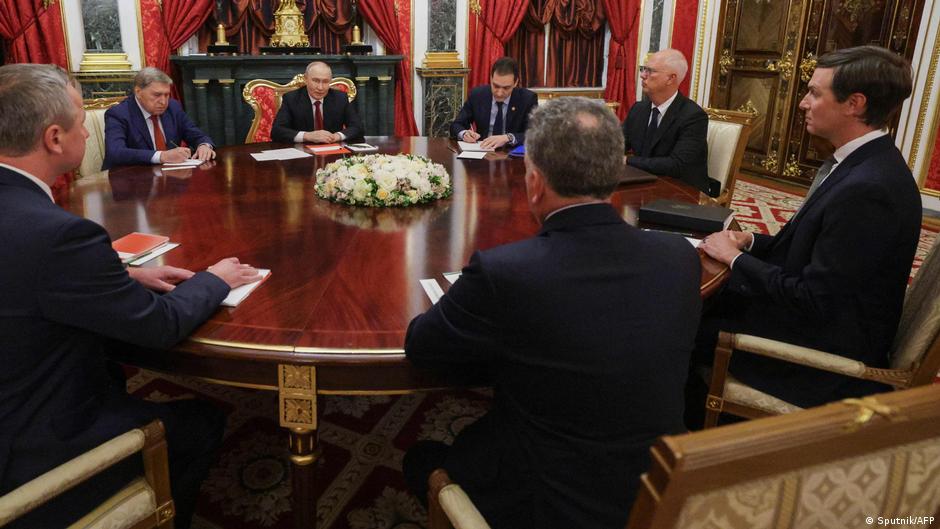
The proposal was discussed by US negotiators Jared Kushner and Steve Witkoff during visits to Moscow and Kyiv in September, according to the report. Under the concept, Russian gas would be sold through an American intermediary, a structure expected to circumvent European sanctions while creating profitable opportunities for US investors.
Pipeline supply returns to the market agenda
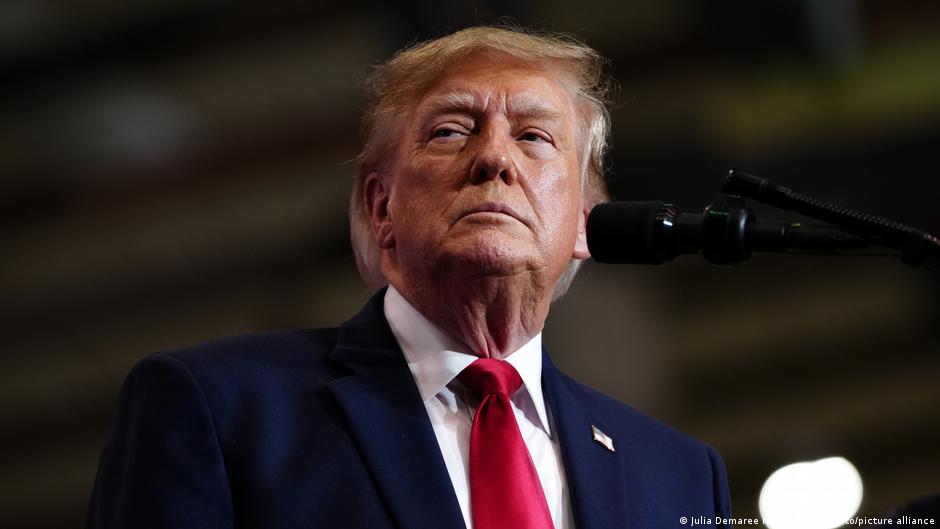
Washington is working toward a comprehensive agreement to halt attacks on energy infrastructure ahead of trilateral talks involving the United States, Russia and Ukraine, scheduled to take place in Abu Dhabi in November. The administration of US President Donald Trump expects European opposition to the proposal may ultimately prove less forceful than public statements suggest, according to the officials cited.
The plan could affect several parts of the European energy trade. Additional pipeline volumes would potentially compete with seaborne LNG, while renewed transit through Ukraine could alter assumptions about regional supply security. The proposal may also influence investor expectations for European utilities, gas infrastructure operators and companies exposed to energy-intensive sectors, although the report provided no details about proposed volumes, contract terms or a timetable for deliveries.
Washington views Russia’s potential return to the European gas market as an additional incentive for President Vladimir Putin to support an energy ceasefire.
Ukraine, meanwhile, could receive additional revenue from transporting gas across its territory. A US official said the White House had also proposed placing proceeds from Russian gas sales to Europe into a special account in a third jurisdiction. The intended mechanism would restrict the use of those funds for military purposes.
The absence of operational details leaves major questions for market participants. The route’s capacity, the identity of the proposed intermediary, the legal treatment of the transactions and the method for controlling sale proceeds would all affect whether the initiative could translate into physical supply. Until those issues are resolved, the proposal remains a political signal rather than a confirmed change in European gas balances.
European resistance limits immediate market impact
The initiative is encountering substantial opposition in Europe. Existing European Union legislation provides for a phased end to Russian gas imports by the close of 2027, and leaders of Europe’s largest countries have repeatedly said they do not want to restore dependence on Russian energy supplies.
That resistance is important for the market because Europe’s gas supply structure has changed sharply since Russia’s full-scale invasion of Ukraine. Russian gas now accounts for approximately 11% of European consumption, compared with 45% immediately before the invasion. At the same time, US LNG supplies currently cover about 30% of European gas consumption.
A return of Russian pipeline gas could therefore have implications beyond the direct increase in available supply. It could affect the competitive position of US LNG in Europe and reopen debate over the region’s longer-term energy diversification strategy. It could also create uncertainty around infrastructure investment and procurement decisions made on the assumption that Russian gas would continue to play a reduced role.
Some European officials have sharply criticized the proposal in private conversations, according to the newspaper. The Trump administration nevertheless believes that high energy prices and concerns about energy security could make European governments more receptive to the arrangement than their public positions indicate.
For markets, the central question is whether those economic pressures can overcome legal and political barriers. A firm agreement could change expectations for future pipeline flows and LNG purchasing, while continued European resistance would preserve the current trajectory toward ending Russian imports. The planned Abu Dhabi negotiations are likely to be the next major event for traders assessing whether the proposal can progress from diplomatic discussions to a commercially viable supply arrangement.