Trump Questions FBI Claim North Korea Was Behind $6.3 Billion Binance Hack
The dispute over attribution adds uncertainty for crypto markets as Binance continues reimbursing customers after the record theft.
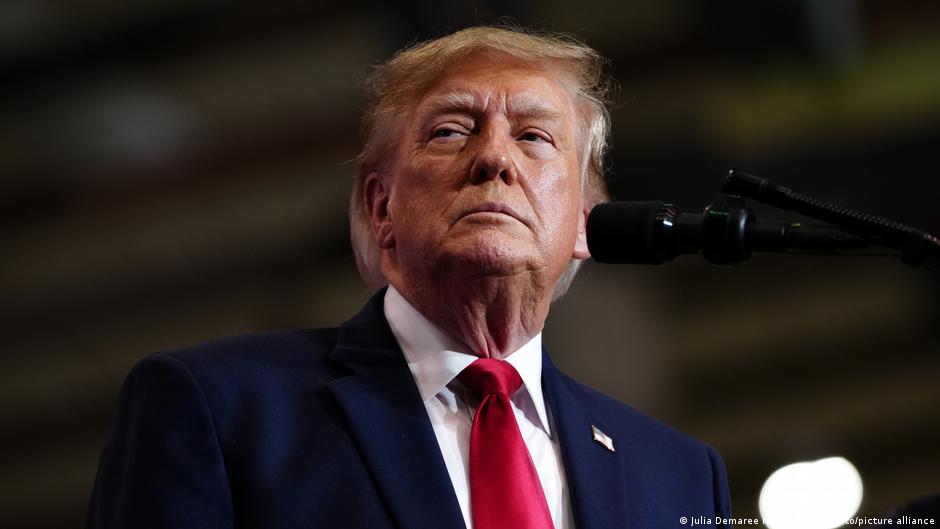
US President Donald Trump has challenged the Federal Bureau of Investigation’s assertion that North Korean hackers were responsible for an attack on Binance, the world’s largest cryptocurrency exchange, and the theft of about $6.3 billion in customer assets.
The disagreement over attribution introduces a fresh layer of uncertainty for cryptocurrency markets following what the FBI described as the largest theft of crypto assets. The attack occurred on October 29, placing exchange security, wallet screening and liquidity conditions in affected tokens under heightened scrutiny.
Trump said on November 1 that US authorities were still examining whether North Korea was connected to the breach. He made the comments while answering reporters’ questions at his Mar-a-Lago estate in Florida.
“We are looking into it now. We don’t know whether it is connected to North Korea, but if it is, we will discuss this issue with North Korea,” Trump said.
The president’s comments came one day after the FBI publicly attributed the attack to TraderTraitor, a North Korean hacking group. The bureau said the group was behind the theft, which was valued at roughly $6.3 billion, or more than €5.6 billion.
FBI Urges Crypto Firms to Block Linked Wallets
According to the FBI, TraderTraitor members typically convert stolen funds into Ethereum, or ETH, before laundering the assets through several channels, including instant cryptocurrency exchange services. Such conversions and transfers are closely watched by trading firms because large movements of stolen assets can affect liquidity, increase compliance risks and prompt exchanges to restrict transactions involving identified wallets.
The FBI urged companies handling crypto-asset transactions to block transfers involving wallets associated with TraderTraitor. Law enforcement officials published a list of the relevant wallet addresses in the bureau’s press release.
The request places immediate operational pressure on exchanges, market makers and other crypto service providers to screen transactions against the listed addresses. It also raises the possibility that funds connected to the theft could encounter narrower exit routes as more platforms apply restrictions.
Trump’s public skepticism does not alter the FBI’s stated attribution or its request for companies to block transactions. It does, however, leave the US administration’s position on the alleged North Korean involvement less settled while the investigation continues. Confirmation of state involvement could broaden the event beyond an exchange-security failure into a geopolitical and sanctions-related issue for the digital-asset industry.
Binance Says 90% of Customer Funds Reimbursed
Binance said on October 31 that it had reimbursed customers for 90% of the assets stolen during the attack. According to the exchange, losses involving BTC, ETH, USDT, BNB, SOL, USDC, XRP, USD1, RLUSD and ZEC had been fully covered.
Those assets include several of the largest and most actively traded cryptocurrencies and stablecoins. Full reimbursement in those tokens limits the immediate customer shortfall in the market’s most liquid segment, while the unresolved portion is concentrated in smaller assets.
Binance said the remaining 10% consisted of tokens outside the 10 largest crypto assets. The platform explained that these tokens have lower liquidity, meaning that purchasing enough of them to compensate customers fully would require more time.
That distinction is important for traders monitoring the aftermath of the breach. Acquiring substantial quantities of less-liquid tokens can be more difficult than replacing holdings in major assets, particularly when available market depth is limited. Binance did not provide a timetable in the source statement for completing reimbursement of the remaining losses.
The exchange’s recovery effort and the movement of the stolen funds are now the principal market-related developments to watch. Transaction blocks tied to the FBI’s wallet list could influence where the assets can be transferred, while Binance’s purchases of smaller tokens for reimbursement may depend on the liquidity available in those markets.
Scale of Binance Raises Broader Market Stakes
Binance has more than 300 million registered users worldwide, according to varying estimates. In 2024, the company said it held more than $160 billion in assets under management.
The platform’s scale makes disruptions at Binance relevant beyond its own customers. The exchange handles a broad range of assets, and a breach of this size can intensify attention on custody standards, counterparty exposure and transaction monitoring across the cryptocurrency sector.
For market participants, the immediate focus remains divided between the investigation, the tracking of wallets identified by US authorities and the completion of customer reimbursements. The FBI maintains that TraderTraitor carried out the theft, while Trump says the alleged North Korean connection has not yet been established. Until that dispute is resolved, traders and crypto firms face both a large-scale security event and an unsettled geopolitical dimension.