Italy Protests and General Strike Put Cost Pressures in Market Focus
Mass demonstrations over living costs and military spending disrupted Italy as similar protests spread across major European economies.
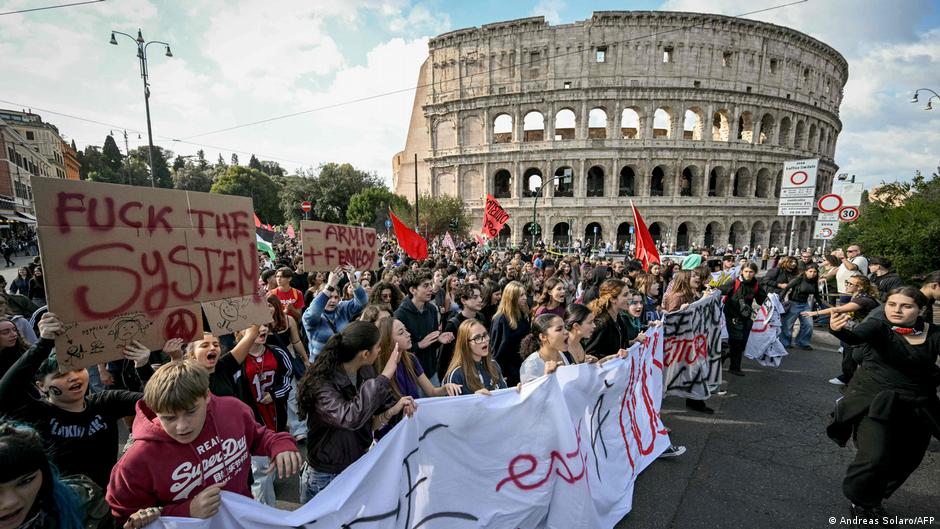
Italy faced a nationwide wave of protests and a 24-hour general strike on Friday, October 30, bringing the country’s cost-of-living pressures and public-spending priorities into focus for markets monitoring political and economic risks across Europe.
Demonstrations took place in more than 60 Italian cities, with participants protesting higher living costs and increased military expenditure, national news agency ANSA reported. The Unione Sindacale di Base, or USB, which organized the demonstrations, estimated that between 1 million and 1.5 million people participated. Italy’s Interior Ministry put attendance at 255,000.
The wide gap between the two estimates complicates assessment of the movement’s scale, but both figures indicate a significant nationwide mobilization. The protests coincided with a USB-organized general strike lasting 24 hours, creating a closely watched event for businesses and investors assessing the potential for disruption alongside mounting pressure on household budgets.
Housing and Fuel Costs Drive Demonstrations
Protesters focused in particular on rising apartment rents and higher fuel prices. Their demands linked household affordability with opposition to greater military spending, framing the demonstrations as a dispute over how public resources should be allocated while consumers face elevated day-to-day expenses.
“We need more housing, not more bombs,” one protest slogan said.
For market participants, the demonstrations highlight the political sensitivity of housing and energy costs, two expenses with a direct effect on disposable income and consumer sentiment. The strike and protests also place attention on the risk that public opposition to higher living costs could become a broader constraint on fiscal choices, particularly as governments balance domestic spending demands against defense commitments.
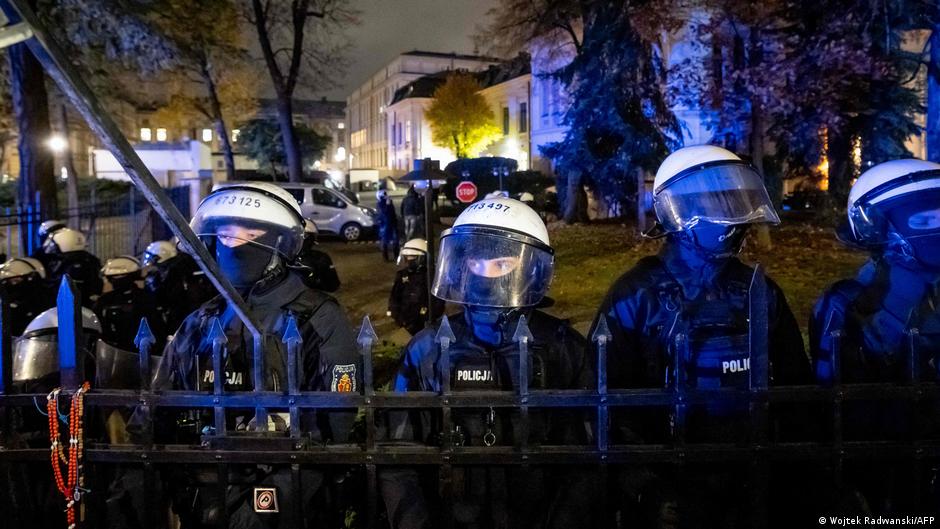
The actions were largely peaceful across Italy, according to ANSA. Tensions escalated in Rome and Turin during the evening, when some protesters began setting fire to rubbish bins and throwing objects at police officers. Law enforcement responded with tear gas and water cannons.
Interior Minister Matteo Piantedosi defended the authorities’ handling of the unrest in a post on the social media platform X. He said the measures taken had been balanced and effective, allowing the authorities to protect citizens’ right to demonstrate peacefully despite attempts by some individuals to provoke disorder and violence.
The localized clashes add a public-order dimension to the economic grievances driving the demonstrations. However, the unrest was limited to two cities, while protests elsewhere remained mostly peaceful. That distinction is important when evaluating whether the events represent a temporary disruption or a broader escalation with more sustained implications for economic activity and confidence.
European Protest Wave Broadens
Italy’s October 30 demonstrations formed part of a wider wave of protests that has spread across other European countries in recent weeks. France has experienced actions in multiple cities that developed into rioting and confrontations with police. Demonstrations have also taken place in Belgium.
The cross-border pattern puts Europe’s cost-of-living pressures under renewed scrutiny. While the grievances and political circumstances differ by country, the actions share concerns about household expenses and government priorities. The widening movement may therefore remain relevant to investors tracking consumer demand, labor disruption, political stability and prospective changes in national spending plans.
Germany is set to become the next focal point on October 31, with similar protests planned in more than 30 cities. The demonstrations have been called by the movement Gen-Z regelt, translated as “Generation Z Decides.”
Tens of thousands of people, predominantly younger participants, are expected to attend. Organizers and demonstrators are set to express dissatisfaction with the rising cost of living and the potential return of military conscription, while also calling for increased spending on education.
Experts expect the German demonstrations to proceed largely without disorder. Even so, their geographic reach and focus on younger citizens will be watched as an indication of whether cost pressures and defense-related policy debates are generating a more durable European protest cycle.
The immediate market relevance lies less in any single day of demonstrations than in the possibility of repeated strikes and protests affecting transport, services, business operations and political decision-making. Italy’s nationwide action, the unrest previously seen in France and the planned German demonstrations show that affordability and public expenditure are becoming increasingly visible sources of political pressure across several major European economies.