G20 Ukraine Talks Signal Keeps Geopolitical Risk in Market Focus
EU foreign policy chief Kaja Kallas said Russia showed no readiness for peace talks, reinforcing geopolitical uncertainty for global markets.
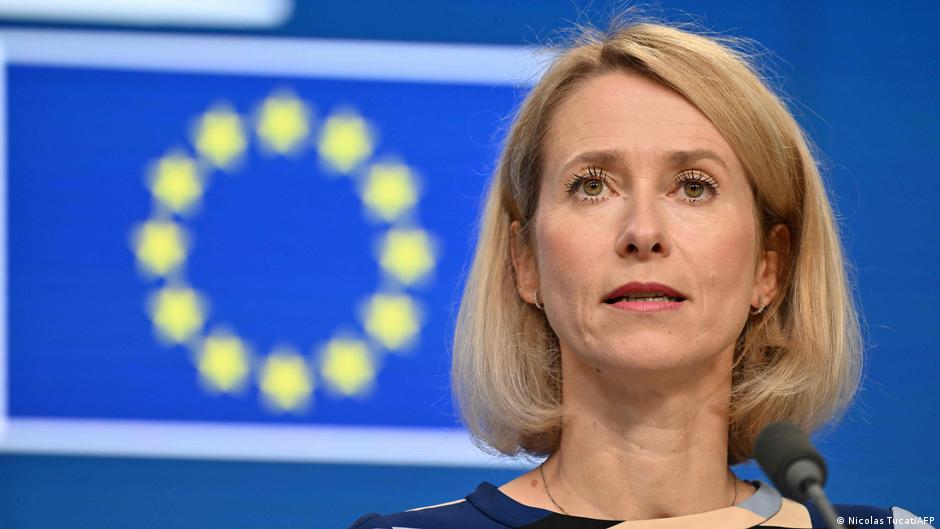
Geopolitical risk remained firmly on the market agenda after the European Union’s foreign policy chief, Kaja Kallas, said Russian Foreign Minister Sergei Lavrov had shown no willingness to pursue peace negotiations over Ukraine during a meeting of Group of 20 foreign ministers in the United States.
Kallas made the comments on Friday, October 30, following discussions in Atlanta, where foreign ministers from G20 member states gathered against the backdrop of the continuing war. Her assessment offered investors no indication of a diplomatic breakthrough that might reduce the geopolitical uncertainty surrounding the conflict.
Asked whether Lavrov had signaled that Russia was prepared to make concessions to end the war, Kallas replied that he had not. She argued that Moscow’s conduct remained more important than any statements made by Russian officials.
“Even if they claimed the opposite in words, their actions say otherwise,” Kallas said.
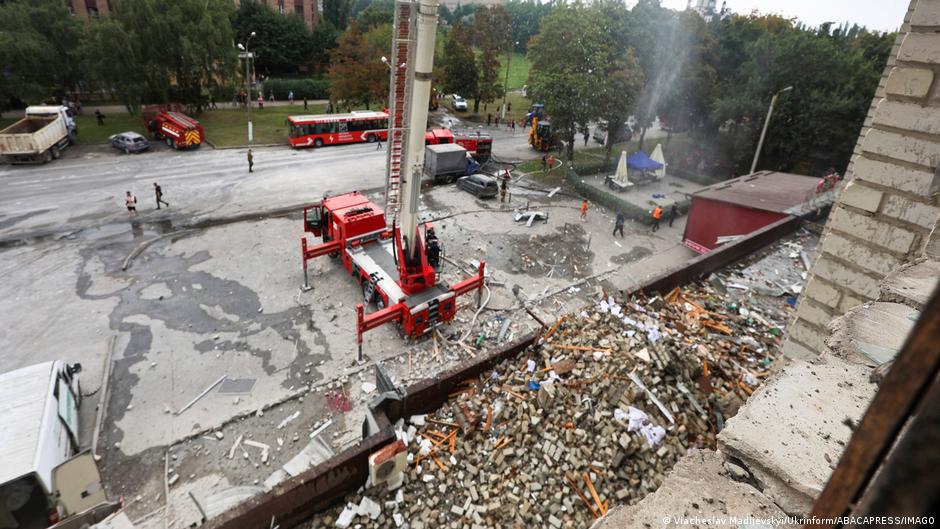
She said Russia must demonstrate through concrete action that it is ready to negotiate. Kallas also noted that July, August and September had been the deadliest months for Ukrainian civilians, presenting the continuing human toll as evidence that Moscow’s actions did not support claims of diplomatic readiness.
No de-escalation signal for markets
For market participants tracking breaking political developments, the remarks represented a continuation of the existing geopolitical risk environment rather than a fresh de-escalation signal. The meeting produced no publicly identified indication in the source material that Russia was moving toward concessions, while Kallas called for greater pressure on Moscow.
The absence of diplomatic progress can remain relevant across asset classes and sectors sensitive to the war, sanctions policy and relations between Russia and Europe. Traders typically monitor such developments for possible implications for energy, commodities, currencies, defense companies and broader European risk sentiment. However, the available account contained no figures on market moves, trading volumes or sector performance following the comments.
Kallas also sharply criticized Lavrov’s presentation at the gathering, saying the Russian foreign minister had voiced “many lies” and presented numerous distorted facts. She said those assertions were subsequently rebutted. No additional details about the disputed claims were provided in the source account.
Her call for increased pressure on Moscow kept the possibility of further policy action in focus. The report did not specify particular sanctions, economic measures or a timetable, meaning investors were left without a defined new policy catalyst from the remarks alone.
European ministers reject normalisation optics
The diplomatic tension was also visible in how European representatives handled the meeting. German Foreign Minister Johann Wadephul said European participants had declined to join a group photograph with Lavrov because of the continuing war in Ukraine.
“There are no normal relations with Russia,” Wadephul said. He acknowledged that contact with Russian officials remained necessary so the parties could discuss their disagreements, but stressed that such engagement should not create the impression that relations had returned to their customary format.
The distinction between maintaining diplomatic channels and avoiding the appearance of normalisation is significant for assessments of the political outlook. European officials are continuing direct contact with Moscow at a major international forum, but their public statements and symbolic actions indicate that they do not regard those contacts as evidence of improving relations.
That combination leaves the market narrative centered on prolonged uncertainty: communication continues, yet the European officials cited offered no evidence that negotiations to end the war were becoming more likely. Kallas’s account of the meeting instead emphasized Russia’s conduct, the rise in civilian deaths and the need for additional pressure.
Diplomatic headlines remain a potential catalyst
The Atlanta gathering placed Russian and European officials in the same multilateral setting, but the reported exchanges did not narrow their positions. Kallas demanded practical proof of readiness for negotiations, while Wadephul framed contact with Russia as necessary but explicitly rejected any suggestion of a return to ordinary relations.
For real-time market monitoring, subsequent statements from G20 participants, any concrete Russian response and potential European measures will determine whether the meeting develops into a tradable policy event. In the immediate account, the central signal was the lack of progress: European officials saw neither a willingness to compromise nor a basis for treating relations with Russia as normal.