Zelensky Sees Democratic Congress Win Boosting US Support for Ukraine
The Ukrainian president expects the election result to strengthen prospects for weapons deliveries and substantial financial assistance.
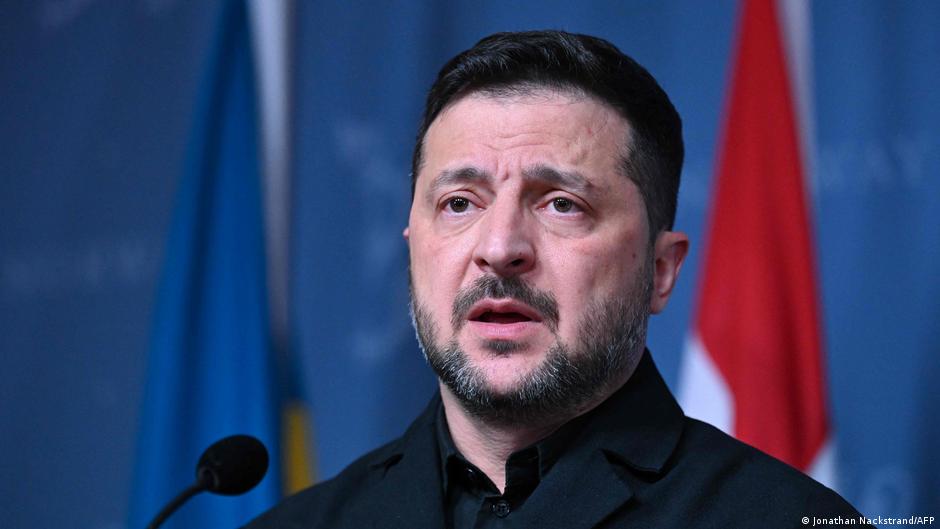
Ukrainian President Volodymyr Zelensky said he expects stronger support from Washington on weapons supplies and financial assistance following the Democratic Party’s victory in the US midterm elections, a political development likely to draw close attention from markets exposed to defense spending, European security and geopolitical risk.
In an interview with German broadcaster ZDF on Wednesday, November 4, Zelensky said the election outcome could give Kyiv greater confidence that it will receive additional backing from the United States. He pointed to the Democrats’ resulting majorities in both the Senate and the House of Representatives as a potential foundation for closer transatlantic cooperation.
The comments put the composition of Congress at the center of expectations surrounding future US policy toward Ukraine. For investors, congressional support is significant because major financial assistance packages and arms commitments can influence government expenditure, defense-sector demand and perceptions of political unity between Washington and European capitals.
Congressional support becomes a market policy signal
Zelensky said Democrats support an “updating of ties between the United States and Europe.” He argued that a Congress prepared to endorse substantial financial assistance and weapons supplies for Ukraine, comparable with the support currently provided and demonstrated by European countries, would be a positive factor.
Congressional backing for substantial financial aid and weapons deliveries would strengthen Ukraine’s expectations of continued US support.
The Ukrainian leader also said such a position could influence Russian President Vladimir Putin. His remarks linked US domestic politics directly to the broader geopolitical outlook, including the durability of Western assistance and the possibility that stronger coordination could affect Moscow’s calculations.
No figures for prospective aid or weapons deliveries were provided, and Zelensky did not identify a timetable for new congressional action. That leaves the immediate implications dependent on subsequent policy decisions rather than the election result alone. Market participants tracking the situation would therefore be looking for concrete legislative proposals, budget allocations and procurement commitments.
The defense sector is among the clearest areas of potential sensitivity. Additional weapons orders could affect expectations for manufacturers and suppliers, while larger financial commitments may become relevant to fiscal projections. The broader risk backdrop also extends to European assets, energy markets and currencies because changes in the conflict or in Western policy coordination can alter regional economic expectations.
At the same time, the statement did not report any specific move in equities, bonds, foreign exchange or commodities, nor did it provide trading-volume data. The election outcome instead serves as a policy signal whose market impact would depend on the scale, timing and structure of any measures approved by Congress.
Melania Trump receives Ukrainian national honor
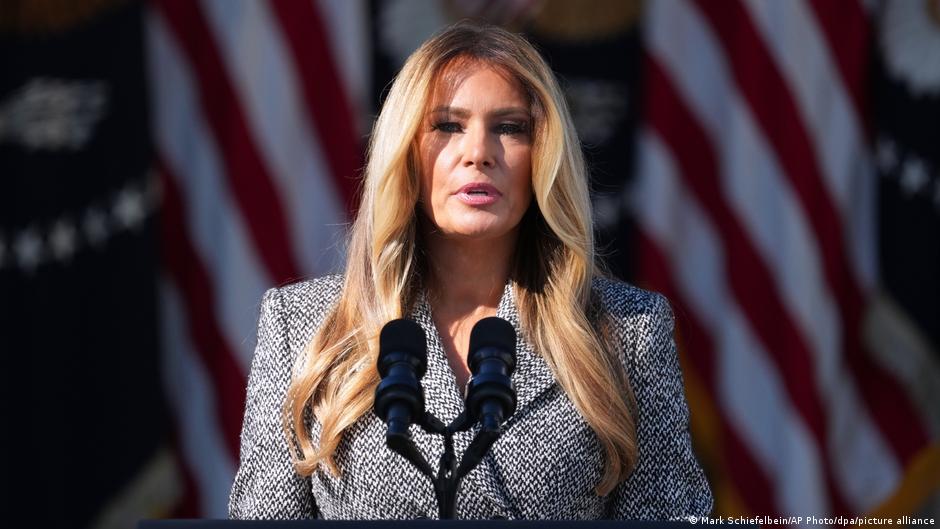
On the same day, the official website of the Ukrainian president published a decree awarding US first lady Melania Trump the Order of Princess Olga, First Class. The national honor recognized her role in achieving an agreement on a temporary ceasefire in the Russian-occupied city of Oleshky, known in Russian as Alyoshki, in Ukraine’s Kherson region.
The decree cited Melania Trump’s “significant personal contribution” to humanitarian support for Ukraine, as well as her active work in protecting human rights and supporting charitable causes. The source also noted that the wife of US President Donald Trump had repeatedly spoken in support of Ukrainian children.
The award adds a humanitarian and diplomatic dimension to Zelensky’s appeal for broader US backing. While the congressional election result shapes expectations about institutional support, the recognition of the first lady highlights Kyiv’s effort to acknowledge assistance across the US political landscape.
For markets, the central issue remains whether the political developments translate into approved funding and weapons commitments. Until specific legislation or spending plans emerge, the principal signal is one of potentially stronger US-European alignment rather than a measurable change in financial flows.
Further statements from congressional leaders and the US administration could clarify whether Zelensky’s expectations will be reflected in near-term policy. Any confirmed assistance package would give traders a firmer basis for assessing defense-sector exposure, fiscal effects and shifts in the geopolitical risk premium associated with the war in Ukraine.