Russian Missile Strikes in Kyiv Region Kill Three, Trigger Fires and Injuries
Overnight combined Russian attacks in Kyiv and its region result in civilian casualties, fires, and emergency response efforts.
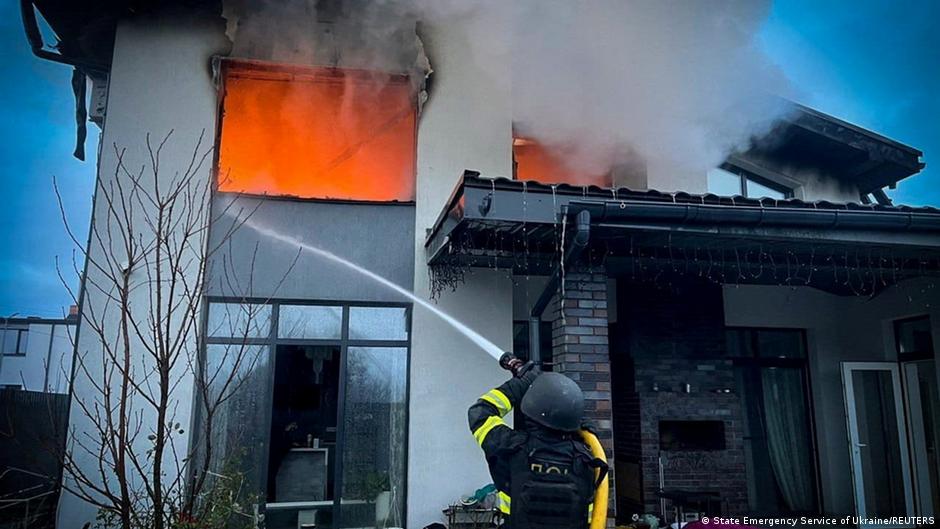
In the early hours of August 8, Russian forces launched a series of combined missile and drone attacks targeting Kyiv and the surrounding Kyiv region, killing three civilians, including a child, and injuring three others, authorities reported.
Impact on Kyiv and Kyiv Region
The Kyiv Regional Military Administration confirmed multiple strikes in the Brovary district, where debris from the attacks struck private homes, outbuildings, vehicles, and ignited a fire in a non-residential building. The administration has not specified whether the debris originated from ballistic missiles or strike drones.
"At present, consequences of the enemy attack have been recorded in three locations in the Brovary district. Unfortunately, three people died, including a child, and three others were injured, including a child," said the head of the Kyiv Regional Military Administration, Timur Tkachenko, in a Telegram message at approximately 2:30 a.m. local time.
Meanwhile, the Kyiv City Military Administration issued an air raid alert around 3:00 a.m. following reports of ballistic missile launches targeting the capital. By 6:00 a.m., authorities reported four injuries due to the strikes, with emergency teams actively working to extinguish fires and clear damage.
Throughout the night, Kyiv experienced multiple explosion series, indicating renewed Russian ballistic missile attacks. The Ukrainian Air Force warned of ballistic threats from northern directions and earlier alerts were issued for potential drone incursions.
According to the Kyiv mayor, Vitali Klitschko, preliminary reports indicate fires at a non-residential construction site in the Holosiivskyi district and at fuel storage tanks in the Obolonskyi district, with emergency services dispatched to address the incidents.
Market and Sector Implications
These continued attacks on Kyiv and its infrastructure have implications beyond immediate human tragedy. Ongoing hostilities contribute to volatility in regional markets, particularly in energy and transportation sectors, due to infrastructure damage and heightened security concerns. Investors and market analysts are closely monitoring potential disruptions to supply chains, fuel distribution, and urban economic activities.
The heightened risk environment may trigger sector rotation away from vulnerable industries towards defensive assets amid uncertainty. Market participants are advised to track real-time developments, as further escalations could influence trading volumes and risk appetite in Ukrainian and broader Eastern European markets.