Kyiv Power Outages Expose Infrastructure Risks as Attacks Intensify
Ukraine is deploying more repair crews as prolonged power and water cuts in Kyiv trigger a dispute between national and city leaders.
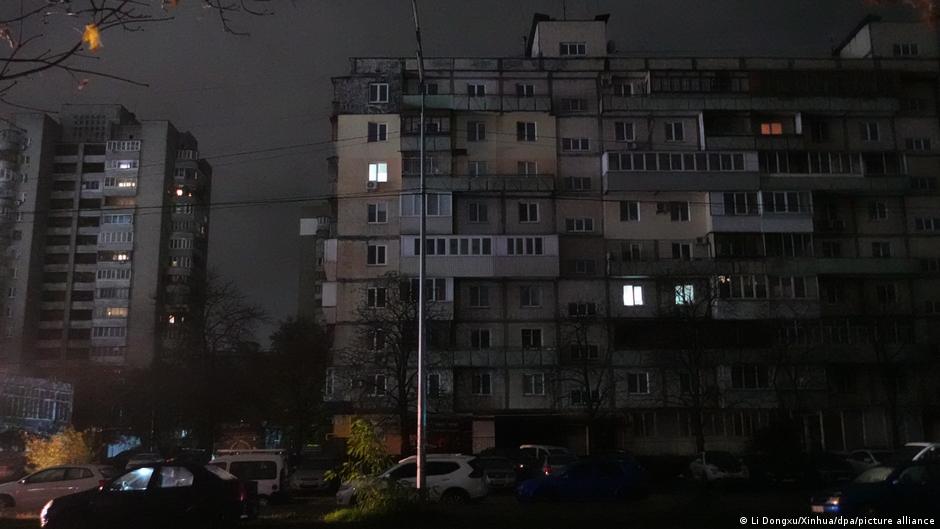
Prolonged electricity and water outages in Kyiv have intensified concerns over Ukraine’s energy infrastructure after President Volodymyr Zelensky criticized the capital’s authorities for what he described as inadequate preparation at the municipal level.
The disruption follows an escalation in Russian missile and drone attacks on Ukrainian energy facilities in recent weeks. The strikes have damaged critical components of the electricity network, leaving millions of Ukrainians facing interruptions to power, water and heating as colder autumn weather sets in.
For markets monitoring the conflict, the latest outages underscore the operational risks surrounding Ukraine’s interconnected power system. Damage to transmission and distribution equipment can create regional shortages even when sufficient generating capacity remains available elsewhere, increasing the importance of repair capacity and the speed at which infrastructure can be restored.
National and city authorities trade blame
In an evening address on Friday, November 6, Zelensky said Kyiv’s preparations had failed and linked the outages to decisions that were not implemented before the heating season.
“At the city level, preparations have failed,” Zelensky said, describing the situation as a consequence of unfulfilled municipal decisions amid Russia’s operation against Ukrainian energy infrastructure.
The president said the government had discussed with energy company representatives the need to bring in additional repair teams and accelerate infrastructure restoration. He also said the Armed Forces of Ukraine would assist with efforts to address the consequences of the attacks.
Several hours after Zelensky’s remarks were published, Kyiv Mayor Vitali Klitschko rejected the criticism and accused the central government of failing to support the capital. In a post on his Telegram channel, Klitschko questioned how municipal authorities could have prevented what Zelensky called a Russian special operation against Ukraine’s energy sector.
Klitschko also asked why Kyiv officials were not invited to meetings where the capital’s preparation and response efforts were being discussed. He stressed that Ukraine operates a single interconnected energy system, arguing that widespread damage cannot be reduced to the decisions of one city administration.
“When it is being destroyed across the country, it cannot be that somewhere everything is shining, while somewhere Klitschko turned everything off,” the mayor said.
Klitschko characterized the central government’s repeated portrayal of Kyiv as the worst-performing jurisdiction as manipulation and falsehood. He alleged that the government, in seeking to remove him and withholding assistance from the capital, was effectively destroying Kyiv.
Grid damage drives regional deficits
Zelensky said Russia’s tactics were focused on destroying electricity networks, transformers and switchgear. Such damage affects the ability to move and distribute power, meaning shortages can persist in some regions even when overall electricity generation is sufficient.
“This is resolved through repairs, and speed is important,” Zelensky said. His comments highlighted repair crews and logistical support as the immediate tools available to reduce disruption after attacks.
The distinction between generation and network capacity is central to assessing the impact of the latest strikes. Electricity may be produced in adequate quantities, but damaged transformers, substations, distribution equipment or transmission lines can prevent it from reaching households and other users. Restoration timelines therefore depend not only on available generation but also on access to damaged sites, replacement equipment and sufficient technical personnel.
No trading-volume figures, commodity-price movements or listed-company impacts were disclosed in the statements. The immediate market-relevant development is the planned deployment of additional repair teams and military assistance, alongside evidence that repeated attacks are placing continued pressure on the national grid and municipal services.
The public dispute between Zelensky and Klitschko also exposes coordination tensions at a time when rapid decisions are required across central government, local authorities, energy companies and the military. Kyiv’s outages have become both an infrastructure emergency and a political confrontation over responsibility for preparations ahead of the heating season.
Russian forces have stepped up missile and unmanned aerial vehicle strikes against Ukraine’s energy infrastructure in recent weeks. Millions of people are now living through the autumn cold without heating while also encountering intermittent electricity and water supplies. The scale and persistence of those disruptions will depend heavily on the pace of repairs and the extent of further damage to the interconnected energy system.