Missile Attack in Russia’s Oryol Reportedly Sparks Fire at Proton Plant
Damage to an alleged producer of missile-related optoelectronics puts Russia’s defense-industrial supply chain in focus.
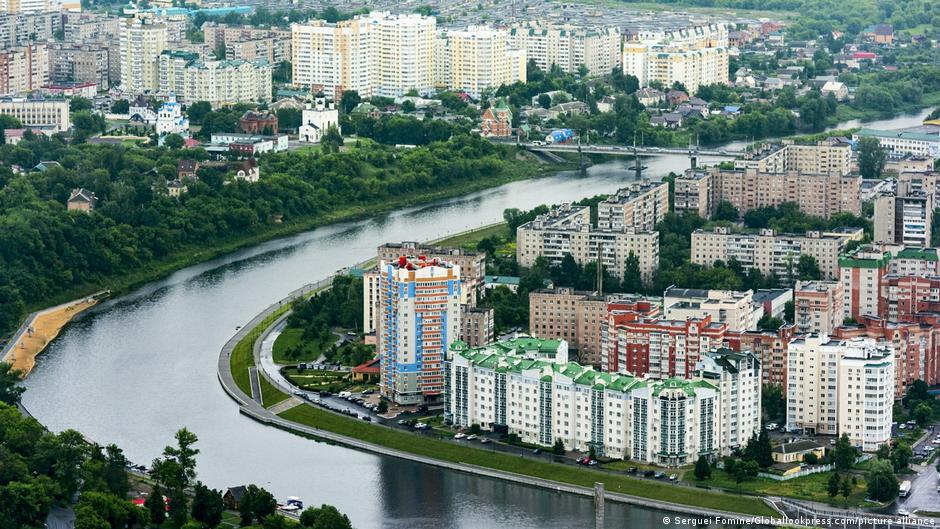
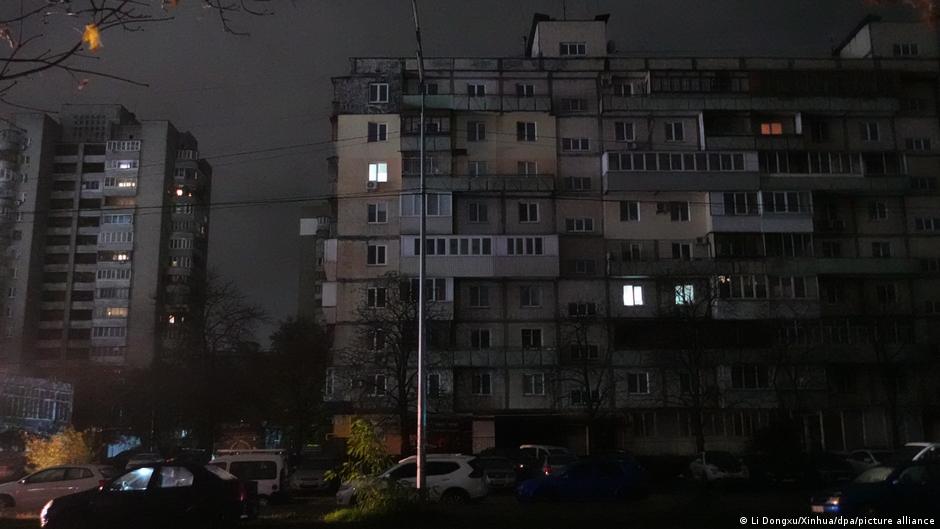
Russia’s western city of Oryol came under what regional authorities described as a massive missile attack overnight into Saturday, January 7, with open-source analysis indicating that a large fire broke out at the Proton plant, one of the country’s most important producers of optoelectronic equipment.
Oryol Region Governor Andrei Klychkov confirmed the attack and said that production facilities belonging to an enterprise in the city’s Sovetsky district had been partially damaged. He did not identify the company involved and provided no information about casualties. Emergency services were working at the site, according to the governor.
Open-source intelligence analysis by ASTRA identified the affected facility as the Proton plant, which is located in Oryol’s Sovetsky district. The analysis indicated that the strike had caused a major fire at the enterprise. The plant’s reported role in producing optoelectronic components makes the incident potentially significant for Russia’s defense-industrial supply chain, although the extent of the damage and any disruption to production remained unclear.
Defense Supply Chain Risk Moves Into Focus
For markets, the immediate relevance centers on potential disruption to specialized defense manufacturing rather than a confirmed move in publicly traded assets. No data on trading volumes, equity prices, commodity markets or sector rotation were provided in connection with the attack. Investors tracking Russian industrial production and defense-linked supply chains would therefore need to distinguish between verified physical damage and unconfirmed estimates of its operational impact.
Ukrainian OSINT channels Exile+ and Supernova+ have reported that Proton’s products are used in several Russian weapons systems. These reportedly include the S-71 Kover air-launched cruise missile, the 9M723 Iskander-M ballistic missile and the Pantsir-S1 surface-to-air missile and anti-aircraft artillery system.
Production facilities at an enterprise in Oryol’s Sovetsky district were “partially damaged,” Governor Andrei Klychkov said, without naming the company.
If the facility is confirmed as Proton, market participants will be watching for evidence that the fire affected production lines, inventories, utilities or logistics. Optoelectronic components can represent a specialized segment of military manufacturing, making the duration of any outage more important than the initial physical damage alone. However, neither regional authorities nor the available OSINT assessments supplied production figures, replacement timelines or estimates of financial losses.
The lack of casualty data and the governor’s decision not to name the enterprise leave important details unresolved. There was also no official confirmation in the available information that the reported fire occurred specifically at Proton. ASTRA’s identification was based on open-source analysis, while the description of the plant’s products came from Ukrainian OSINT channels.
Repeated Attacks Raise Operational Uncertainty
The Proton enterprise has previously been targeted repeatedly in Ukrainian attacks, according to the source account. The latest incident therefore adds to an established pattern of security risk around the facility and may renew scrutiny of the resilience of Russian defense-production sites located within range of Ukrainian strike systems.
Repeated attacks can have cumulative operational consequences even when individual incidents cause only partial damage. Manufacturing interruptions may arise from repairs, tighter security procedures, temporary evacuations or disruptions to power and transport. None of those effects had been confirmed following the latest attack, and there was no verified assessment of whether Proton remained operational.
The incident comes as traders and analysts monitor wartime events for their potential effect on Russian industrial capacity, fiscal priorities and defense-sector procurement. Because Proton is described as a significant optoelectronics producer, confirmed long-term disruption could be relevant to suppliers and users of specialized components. The available reporting, however, does not establish the size of any supply shortfall or whether alternative production capacity exists elsewhere in Russia.
Near-term attention is likely to remain on official damage assessments, evidence from the site and any indication of halted output. Statements from regional authorities, satellite imagery and subsequent open-source verification could clarify whether the reported blaze was confined to part of the complex or affected core manufacturing operations.
Until more information emerges, the event represents a developing industrial and geopolitical risk rather than a quantified market shock. The confirmed elements are limited to the regional governor’s report of a large missile attack, partial damage to production premises in the Sovetsky district and the deployment of emergency services. The identification of Proton, the scale of the fire and the plant’s links to specific weapons systems rely on separate open-source assessments.