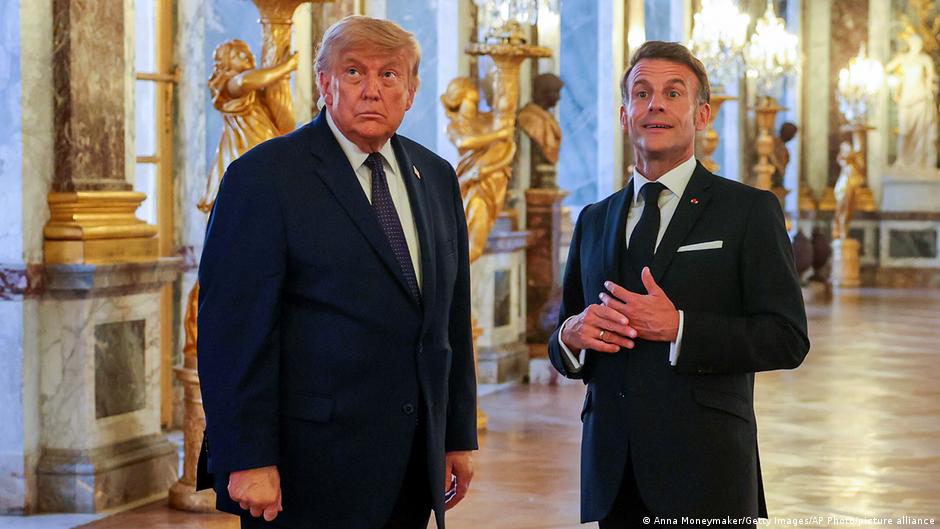
US Senate Votes to End Military Engagement Against Iran Amid Ongoing Peace Talks
Senate approves non-binding resolution urging withdrawal of US troops from conflict zones involving Iran.
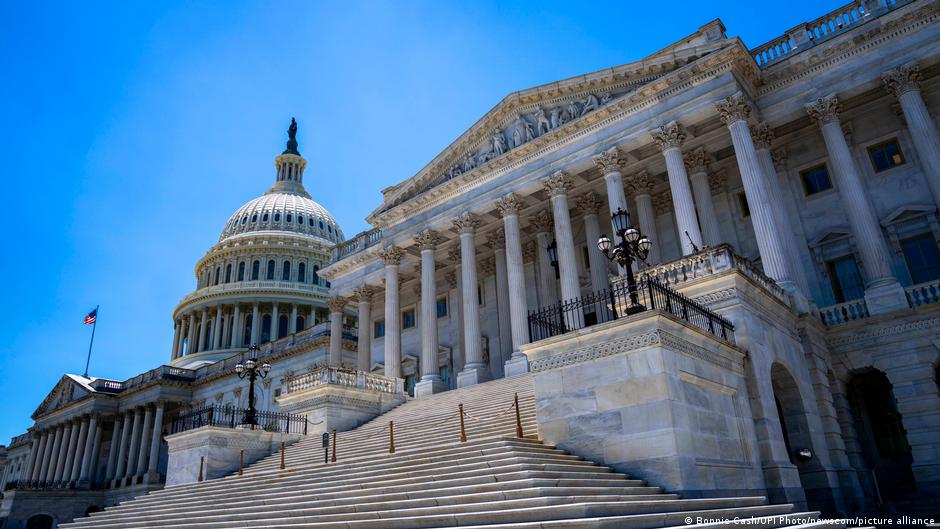
On June 23, the United States Senate voted 50 to 48 in favor of a resolution calling for the withdrawal of American military forces from combat zones involving Iran. This measure follows earlier approval by the House of Representatives and signals growing bipartisan concerns about the ongoing conflict between the US, Israel, and Iran that has persisted since late February 2026.
The resolution, while symbolically significant, does not carry legal force to compel President Donald Trump to remove troops. The White House maintains that it considers the resolution largely advisory and stressed that there are currently no active hostilities which would necessitate troop withdrawal, citing the ceasefire established on April 17.
Political and Military Context
The narrowly passed Senate resolution expresses Congressional desire to curtail renewed military actions without explicit Congressional approval. Democrats who initiated the vote emphasize the necessity for clear legislative oversight on any potential escalation in the region.
“Congress must clearly signal that any resumption of hostilities will require its consent,” stated Democratic senators advocating the resolution.
Despite the ceasefire, intermittent exchanges of military strikes between Washington and Tehran have persisted. In mid-June 2026, both parties signed a two-month memorandum of understanding aimed at halting military activities across all fronts, including Lebanon. The agreement also entails lifting certain sanctions on Tehran and establishing a fund dedicated to Iran's reconstruction.
Parallel to these developments, peace negotiations continue. President Trump recently highlighted progress on critical issues such as nuclear oversight, sanctions relief, and maritime security in the Strait of Hormuz. Trump claimed that Iranian authorities have agreed to permit international inspections of their nuclear facilities, enabling ongoing diplomatic engagement.
Market and Geopolitical Implications
The Senate vote and the evolving diplomatic landscape carry significant implications for market stability and sectoral rotations, particularly in energy and defense stocks. Ceasefire prospects and de-escalation efforts may reduce geopolitical risk premiums and impact commodity prices tied to Middle Eastern supply routes.
Traders and investors should monitor subsequent developments closely, as renewed hostilities or breakthroughs in the peace talks will likely influence trading volumes and volatility in related sectors.