Iran Replenishes Missile Stockpile with Possible Russian Assistance Amid Regional Conflict
Iran has restored approximately 75% of its missile arsenal since March, potentially aided by recent Russian missile deliveries during the lull with the US.
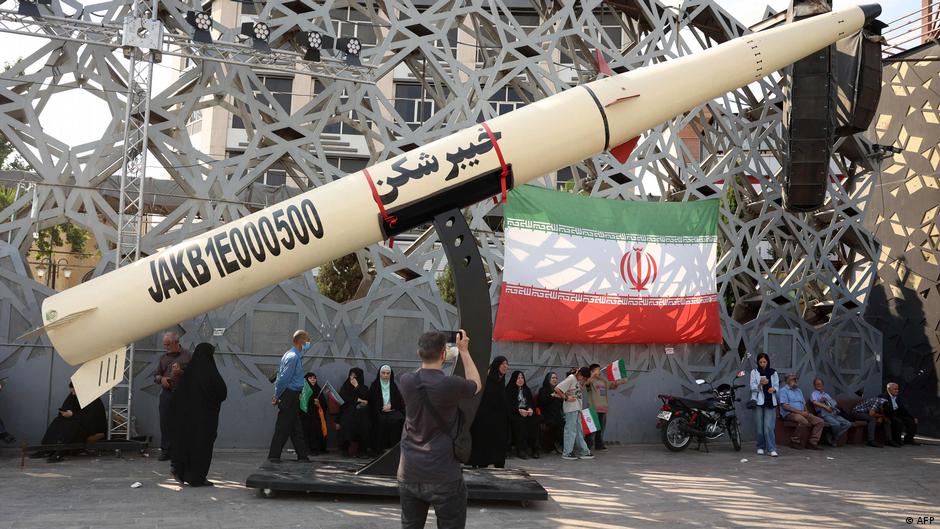
Recent intelligence reports indicate that Iran has significantly replenished its missile arsenal despite ongoing regional tensions and military actions. According to Bloomberg, citing unnamed Western intelligence sources, Iran currently possesses about three-quarters of the missile stockpile it held prior to the escalation of hostilities involving the US and Israel earlier this year.
Missile Stockpile Recovery and Russian Involvement
The report suggests that during an eight-week ceasefire between Iran and the US, Russia may have supplied Tehran with new missile systems. These developments enabled Iran to restore its firepower to a level sufficient for a substantial retaliatory strike if hostilities were to resume.
Bloomberg notes that some of the missiles in Iran’s current inventory are of recent Russian manufacture, likely produced within the past year. While Russia’s Defense Ministry did not respond to requests for comment, this information underscores a continued supply link amidst the ongoing conflict.
"Iran used the ceasefire period to restore its missile stocks and add new weaponry to maintain striking capacity." – Intelligence sources via Bloomberg
Earlier in June, US President Donald Trump stated that Iran had retained only about 21-22% of its pre-conflict missile supplies, a figure contradicted by these new intelligence assessments. In March, at the height of Middle East tensions, US intelligence estimated Iran’s missile stock at 60% of its original capacity.
Strategic Implications of Iran’s Missile Capabilities
Much of Iran’s missile arsenal, including launch platforms, was reportedly damaged or buried in underground storage following US and Israeli strikes. Analysts believe that Iran used the ceasefire to clear debris and redistribute weapons to other facilities, enhancing survivability.
Experts also emphasize Iran’s ability to manufacture drone technology, specifically cheap Shahed UAVs, which are frequently deployed in regional attacks. Kelly Grillo, a senior fellow at the Stimson Center, highlights that dismantling Iran’s drone production is challenging, and the retention of a significant missile arsenal complicates US decisions regarding renewed strikes.
On June 13, President Trump announced a planned peace agreement with Iran, to be signed on June 14, coinciding with his 80th birthday. He linked the deal to reopening the strategic Strait of Hormuz, whose closure has contributed to a global fuel crisis. However, Iran has denied that a signing will occur by this date, with Foreign Ministry spokesman Esmail Baghaei stating the timeline remains undetermined.
Since the conflict began, President Trump has made multiple declarations—at least 39—about an imminent peace agreement, yet tangible progress remains elusive. Both sides report ongoing negotiations, but statements often conflict regarding their status.
These developments in Iran’s missile capabilities and the ambiguous negotiation process will continue to influence market sentiment, particularly in energy and defense sectors, as the region remains fraught with uncertainty.