Trump Administration Weighs Lifting Sanctions on Russia’s RDIF
Moscow is seeking sanctions relief for its sovereign investment fund to facilitate planned Russian diesel shipments to the United States.
The Trump administration is considering lifting US sanctions on the Russian Direct Investment Fund, potentially clearing a financial obstacle to planned Russian diesel shipments to the United States and the wider global market, The New York Times reported on Tuesday, October 27.
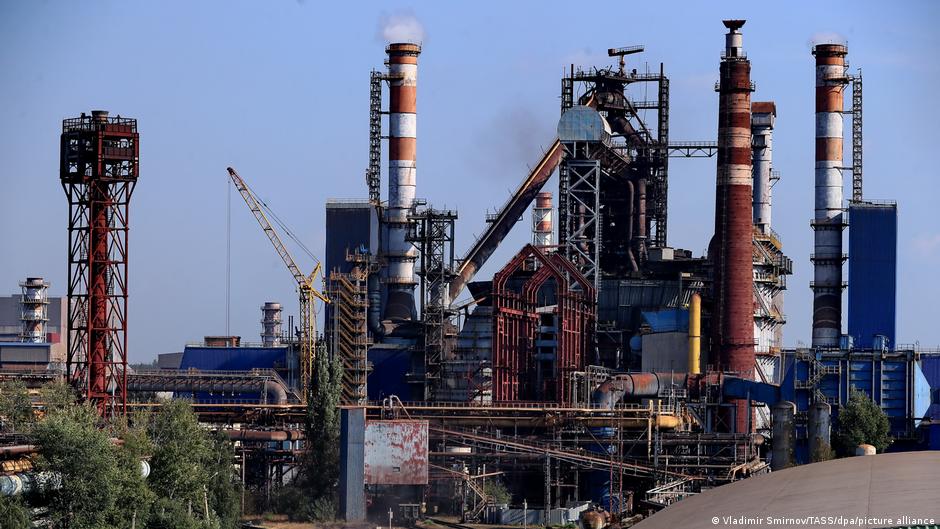
The review puts a sovereign investment vehicle closely involved in Moscow’s economic diplomacy at the center of an emerging energy trade arrangement. Russia is pressing Washington to remove restrictions on RDIF so the fund can participate in supplying Russian diesel to the United States, according to the report, which cited people familiar with US-Russian negotiations.
For energy traders, the sanctions decision could affect the operational framework for bringing substantial Russian fuel volumes back into authorized trade. No immediate market-price reaction, trading-volume data or timetable for the review was disclosed.
Sanctions review could unlock diesel trade
The US Treasury Department is currently examining RDIF’s request through its standard sanctions-removal procedures, according to one source cited by the newspaper. Under that process, the Russian fund would need to demonstrate that the grounds on which the restrictions were imposed no longer apply.
RDIF was sanctioned by the Biden administration four days after Russia launched its full-scale invasion of Ukraine. Although formally a sovereign investment fund, the Treasury Department said at the time that it was widely viewed as President Vladimir Putin’s “slush fund” and as a prominent example of the kleptocracy associated with Russia’s system of government.
“The consideration of further sanctions relief for Russia, which has not previously been reported, shows how the Kremlin is using the recent wave of diplomacy surrounding the war in Ukraine to advance an agenda that appears to have little to do with securing peace,” the newspaper said.
The potential easing of restrictions therefore carries implications beyond refined-products markets. It would represent a policy shift toward an entity that Washington’s previous administration portrayed as closely connected to Putin’s financial interests, while Moscow continues to use talks related to the war in Ukraine to promote bilateral economic projects.
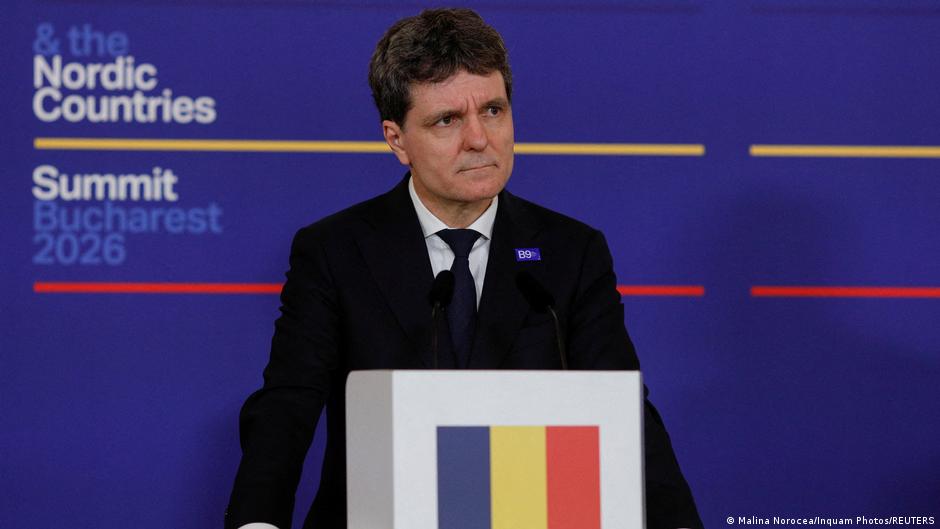
RDIF is led by Kirill Dmitriev, a central participant in Russian-American negotiations, including discussions concerning the war in Ukraine. Dmitriev has repeatedly met representatives of the current US administration and has promoted Kremlin proposals for possible joint business projects between Russia and the United States.
The fund was established in 2011 to attract foreign investment into Russia. Among the projects associated with it was Sputnik V, Russia’s vaccine developed during the COVID-19 pandemic.
Planned supply volumes draw trader attention
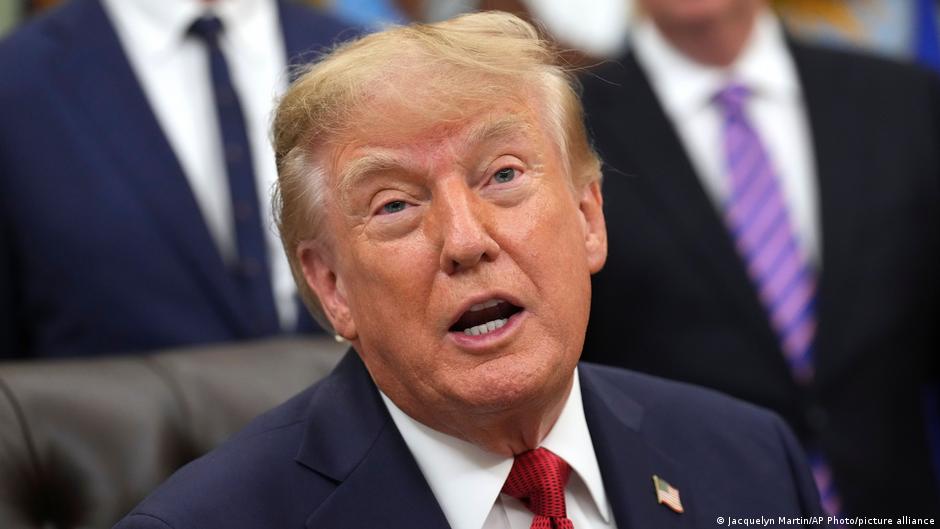
President Donald Trump said on Truth Social on October 9 that he had held “very successful” talks with Putin and that the two leaders had reached an agreement covering Russian diesel deliveries to the United States and the global market.
According to Trump, Russia would immediately supply more than 300,000 tonnes of diesel to US and international markets, followed by another 500,000 tonnes during November and 1 million tonnes after that. He also said Moscow could provide an additional 3 million tonnes of fuel within a short period, depending on the condition of Russian oil refineries.
If completed on the announced scale, those shipments would introduce a significant new source of supply for diesel markets. The source article did not provide delivery destinations, pricing terms, vessel schedules or confirmed transaction volumes, leaving traders to assess how quickly the stated quantities could translate into physical flows.
Trump said Russian energy resources, together with what he described as the United States’ “full control” over the Strait of Hormuz, would cause diesel prices to fall rapidly and substantially for Americans and consumers worldwide. The statement framed the proposed Russian supply as a measure capable of easing fuel-market pressure, although no supporting price forecast was provided.
On the same day as Trump’s announcement, the US Treasury Department said the Office of Foreign Assets Control, acting on the president’s instructions, was immediately issuing a temporary general license authorizing Russian diesel supplies to the global market. Putin later formally confirmed both the telephone conversation with Trump and the agreements concerning deliveries of Russian petroleum products to world markets.
The RDIF review now becomes a key event for market participants monitoring whether political commitments will develop into executable trades. A decision to lift restrictions could make it easier for the fund to support financing, coordination or other participation in the diesel arrangement. Continued sanctions, by contrast, could leave the transactions dependent on narrower permissions under the temporary OFAC license.
With specific shipment volumes already announced, attention will turn to the Treasury review, the scope and duration of the temporary license, and evidence of actual cargo movements. Those details will determine whether the diplomatic agreement produces sustained additions to diesel supply or remains a limited, sanctions-dependent opening.