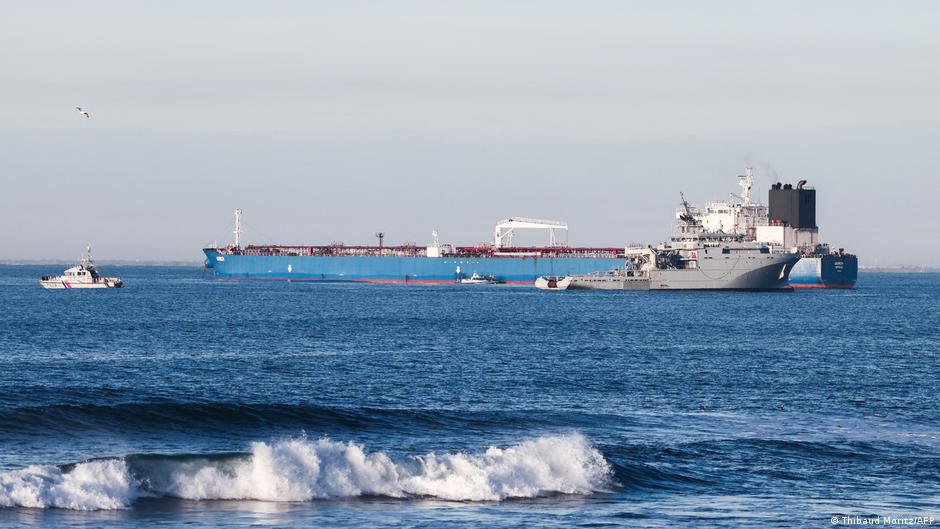
US Strikes Resume on Iran as Tehran Closes Strait of Hormuz Amid Rising Tensions
US military launches new attacks on Iran; Tehran responds with missile strikes and closure of strategic Strait of Hormuz.
The United States armed forces have resumed strikes against targets in Iran, escalating tensions in the Gulf region. This move prompted Tehran to launch missile attacks on American military bases in the Persian Gulf and Jordan, while announcing the full closure of the vital Strait of Hormuz.
US-Iran Military Escalation Impacts Global Energy Routes
On the evening of Wednesday, June 10, US Central Command (CENTCOM) announced the initiation of new military strikes against Iranian targets at 17:15 Eastern Time (23:15 Berlin time). The operation was described as a response to "unjustified and ongoing Iranian aggression." This announcement came shortly after President Donald Trump publicly promised new attacks on Iran, with Defense Secretary Pete Hegseth further warning Tehran of additional strikes. Hegseth emphasized that the US aims to avoid a wider war, instead seeking to create conditions conducive to a negotiated agreement.
Iranian state media reported explosions near the cities of Minab and Sirik, with additional blasts heard close to Bandar Abbas airport and military base along the Persian Gulf coast, as well as in the port city of Gorgan. Reuters confirmed these reports, highlighting the geographic spread of the strikes.
“The Iranian military declared the complete closure of the Strait of Hormuz, warning that any vessel attempting to pass through would be attacked.”
In retaliation, Iranian forces reportedly launched ballistic missile attacks on US military facilities in Persian Gulf countries and Jordan. Kuwait’s air defense systems were activated in response to the threat, and air raid sirens sounded again in Bahrain, underscoring heightened regional alertness.
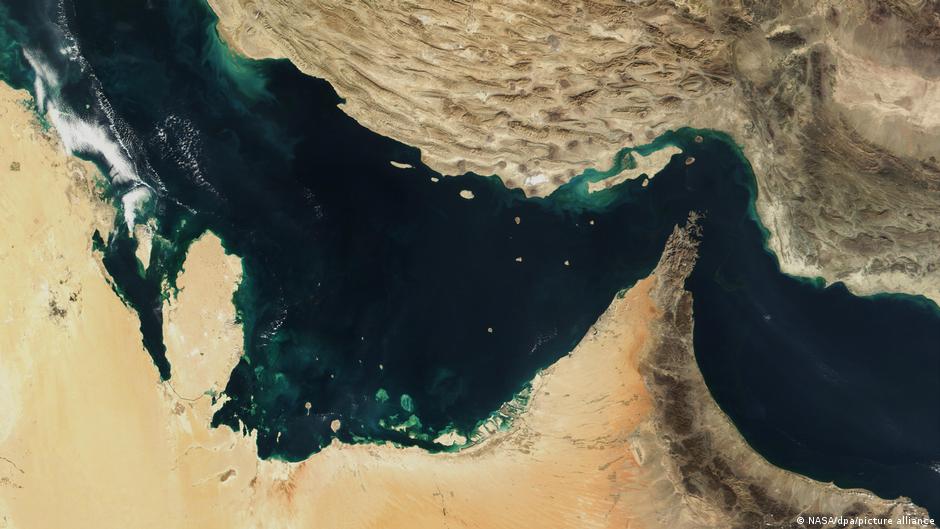
Crucially, the Iranian military announced the full closure of the Strait of Hormuz, a narrow but strategically critical waterway through which a significant portion of the world’s oil shipments transit. Iran’s military command cited a "changed security situation" following the US strikes as justification for this drastic measure. Iranian state television later reported that Iranian forces had opened fire on two vessels attempting to navigate the strait.
Meanwhile, CENTCOM denied claims of a complete closure, stating via social media that commercial vessels continue to enter and exit the Strait of Hormuz without interruption. This conflicting narrative adds uncertainty to the immediate impact on global shipping and trade flows.
Market participants are closely monitoring these developments as any sustained disruption in the Strait of Hormuz could severely impact global oil supply chains and fuel volatility in energy and related sectors.
The ongoing hostilities between the US and Iran highlight a critical flashpoint with the potential to trigger wider regional conflict and disrupt global markets. Traders and industry analysts are advised to watch shipping traffic closely and remain alert to further geopolitical developments that may influence market conditions.