US Military Launches New Strikes on Iran Amid Escalating Tensions in Strait of Hormuz
Washington targets over 80 Iranian military assets to curb Tehran’s interference with shipping in crucial Strait of Hormuz.
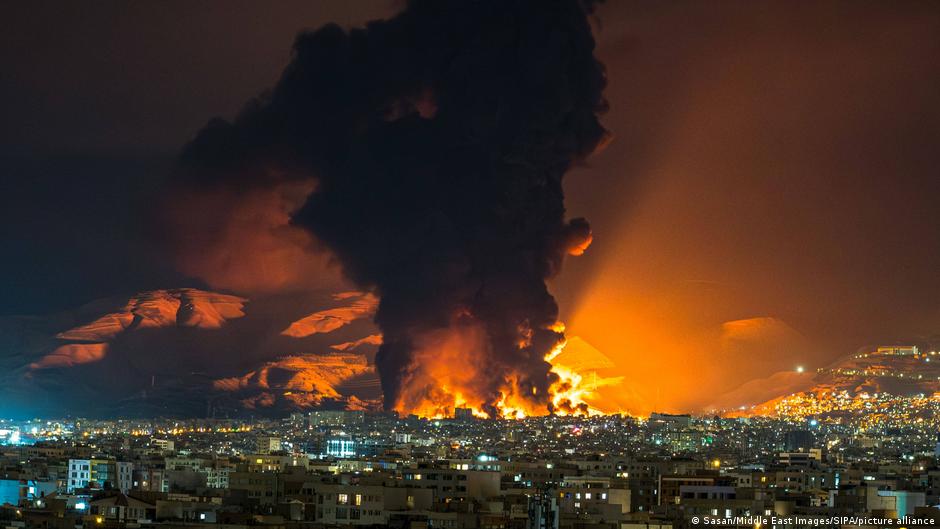
The United States military has initiated another series of offensive operations against Iran, aiming to limit Tehran's ability to disrupt maritime traffic in the vital Strait of Hormuz. The Central Command of the US Armed Forces (CENTCOM) announced that the latest wave of attacks was ordered personally by President Donald Trump on the evening of July 8.
While detailed information on the specific targets of this new offensive remains undisclosed, the operation follows previous strikes against more than 80 Iranian targets. These earlier attacks included Iranian air defense systems, command and communication networks, coastal radar installations, anti-ship missile defenses, and over 60 vessels belonging to the Islamic Revolutionary Guard Corps (IRGC).
Market Implications of the Military Escalation
The renewed military confrontation unfolds amid heightened sanctions re-imposed by Washington on Iranian oil exports just days prior. These developments risk further volatility in energy markets, especially oil prices, given the strategic importance of the Strait of Hormuz, through which a significant share of the world's petroleum passes.
Following the US strikes, Iranian officials accused the United States of violating the fifth clause of the memorandum governing free navigation in the Strait. Iranian Foreign Ministry spokesperson Esmail Baghaei stated that Washington’s unilateral military actions constitute breaches of the agreement, signaling Tehran's intent to protect its sovereignty and national interests.
"Washington has effectively violated the agreement with its unilateral actions and aggressive moves against Iran," said Iranian Foreign Ministry spokesperson Esmail Baghaei.
In response to the US attacks, Iran's leadership announced retaliatory measures. Reports from Kuwait and Bahrain confirmed missile strikes attributed to the IRGC targeting US military installations within their territories. The IRGC justified these actions as retaliation for US airstrikes on coastal bases and civilian facilities in the Hormozgan and Mahshahr provinces.
At the NATO summit on July 8, President Trump declared the end of any ceasefire or military engagement memorandum with Iran, describing contact with Iranian officials as futile and insulting. Nevertheless, he allowed room for diplomatic dialogue if his negotiators chose to pursue it.
The US military stated that the recent strikes aimed to inflict substantial damage on Iran following Tehran's attack on three tankers near the Strait of Hormuz, which CENTCOM described as unwarranted aggression violating the ceasefire regime.
According to the UK Maritime Trade Operations (UKMTO), one tanker suffered light damage from a drone strike. Simultaneously, the LNG tanker Al-Rekajat from Qatar sustained serious damage from an unidentified projectile. Information about the third targeted vessel remains unclear.
Since the signing of the memorandum between Washington and Tehran, both sides were expected to reach agreements on Iran’s nuclear program, withdrawal of US forces from neighboring countries, and transit fees for ships passing through the Strait within 60 days. No progress has been publicly reported. Furthermore, Iran has not authorized full demining of the Strait, restricting maritime traffic to two narrow lanes and limiting shipping volumes to less than half of pre-conflict levels, despite US claims of keeping the waterway fully open.
This military escalation adds another layer of uncertainty to global shipping and energy markets, potentially prompting sector rotation as investors reassess geopolitical risk exposure in the region.