Germany Reports Record €124.7 Billion Defense Spending in NATO 2026 Budget
Ahead of the NATO summit in Ankara, Germany announces a 25.5% increase in defense expenditure, reflecting a strategic boost in military investment.
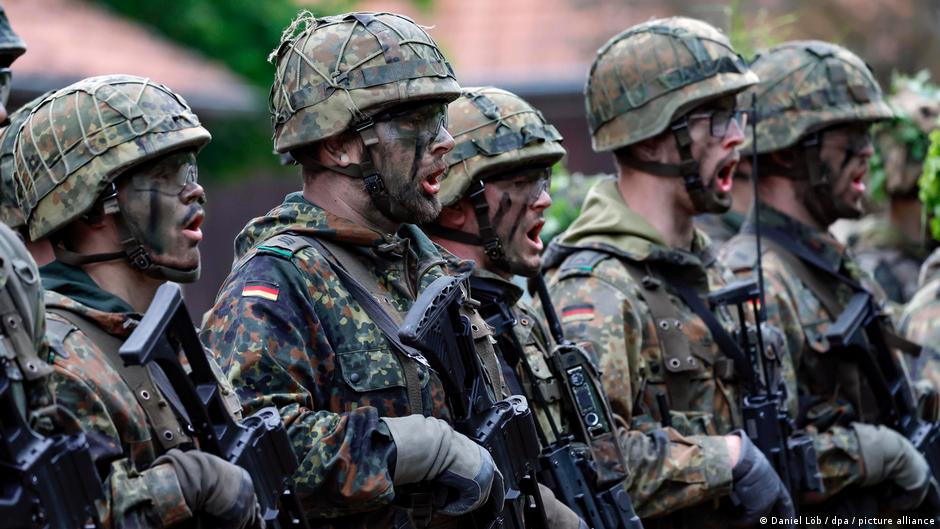
Germany has announced a record defense budget of €124.7 billion for 2026, marking a significant 25.5% increase compared to the previous year’s €99.3 billion, according to data published by NATO ahead of the summit in Ankara on July 7.
This €25.4 billion absolute increase represents the largest growth in defense spending ever recorded for Germany within the NATO framework. Only the United States allocates more funds to defense among NATO member states.
Rising Defense Budgets Amid Transatlantic Pressure
The defense spending as a percentage of Germany’s Gross Domestic Product (GDP) is projected to reach 2.69% in 2026, up from 2.22% in 2025. This boost aligns with NATO’s ongoing efforts to encourage European allies to increase their military investments.
Amid previous criticism from then U.S. President Donald Trump, who labeled European and German defense spending as "laughable," the NATO Secretary General and German officials have pushed back against such accusations. NATO Secretary General Jens Stoltenberg highlighted that European allies and Canada collectively increased their defense expenditures by nearly 20% last year, injecting an additional $139 billion into military budgets.
"European allies and Canada spent nearly 20% more on defense last year, adding an extra $139 billion," NATO Secretary General Jens Stoltenberg stated.
Looking ahead, Germany plans to finance its defense escalation by borrowing over €800 billion by 2030. The German Finance Ministry forecasts issuance of government bonds exceeding €200 billion in 2027 alone—a 12.5% increase over 2023—mainly to support the expanding defense budget, which is expected to reach €183.6 billion by 2030, representing about one-third of the entire federal budget.
Despite these increases, European NATO members and Canada still lag behind the United States, which is on track to spend approximately $850.2 billion (around €745 billion) on defense in 2026. This sum significantly outpaces the combined defense budgets of all other NATO partners, estimated at €556 billion. Globally, the U.S. remains the dominant military spender, followed by China, Russia, and then Germany.
NATO Member States’ Defense Spending Targets and Variability
According to NATO’s latest assessments, published at the Ankara summit, five of the 32 member countries are projected to reach the 5% of GDP defense spending target in 2023. These countries include Greece, Poland, Latvia, Lithuania, and Estonia.
In 2022, at the NATO summit held in The Hague, member states agreed to allocate at least 3.5% of their GDP to defense by 2035, with an additional 1.5% earmarked for related defense expenditures. The current data indicates that 17 NATO countries are on track to meet this 5% target in 2023.
Meanwhile, several countries, such as Belgium, Spain, and the Czech Republic, are projected to maintain defense budgets at roughly 2% of their GDP in 2026. Slovenia is expected to fall below the 2% threshold, which NATO had stipulated should be achieved by all members by the end of 2024.
Germany’s record-setting defense budget and the broader NATO spending trends reflect ongoing shifts in geopolitical priorities and the alliance’s response to evolving security challenges.