US Military Strikes Iranian Military Sites Following Drone Attack on Oil Tanker
US forces launched targeted strikes on Iranian surveillance and air defense infrastructure in response to attacks on commercial shipping near the Strait of Hormuz.
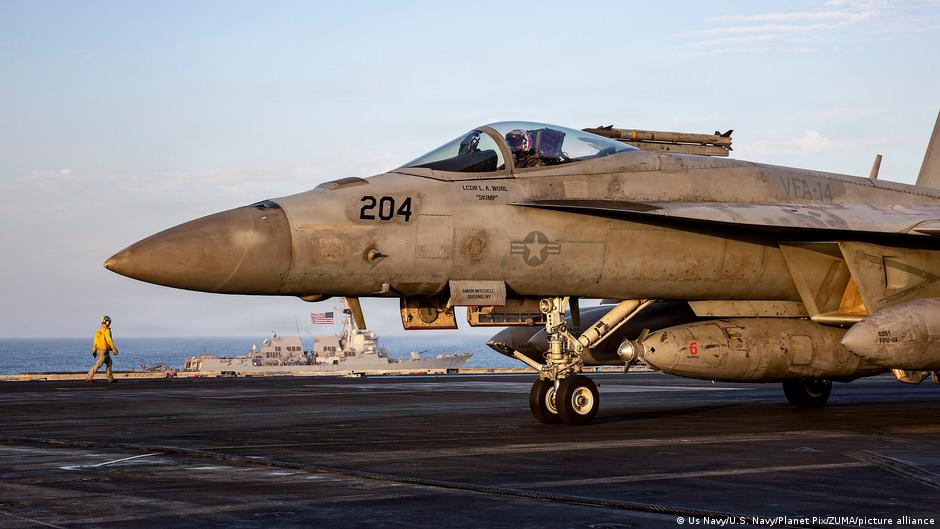
On June 27, US military aircraft executed precision strikes against multiple Iranian military targets, including surveillance facilities, communication systems, air defense installations, drone storage sites, and minelaying equipment. This operation was carried out as a direct response to Iran's recent aggression targeting peaceful commercial vessels traversing the strategic Strait of Hormuz.
Background and Sequence of Events
The US Central Command (CENTCOM) reported that after an earlier assault on the cargo ship Ever Lovely, Iran had a chance to adhere to a ceasefire agreement established on June 17 but failed to do so. Instead, Iranian forces deployed a kamikaze drone at 4:30 AM EDT (11:30 Moscow time), striking the Panama-flagged tanker Kiku, which was transporting over two million barrels of crude oil near the Strait of Hormuz.
"The passage of commercial vessels through the Strait of Hormuz continues, with US forces maintaining vigilance, combat readiness and the capacity to employ force," CENTCOM stated on social media.
In parallel, Kuwait's air defense forces reported intercepting missile and drone attacks, while Bahrain announced air raid sirens and urged citizens to seek safety amid explosions. The Iranian Revolutionary Guards Corps (IRGC) claimed responsibility for these strikes on Kuwaiti and Bahraini territories, framing them as retaliatory measures against US military assets in the region.
The exchanges escalate tensions in the Gulf region, with both Tehran and Washington blaming each other for violating the ceasefire agreement. Iranian media highlighted explosions in southern cities such as Sirik and on Qeshm Island, attributed to US airstrikes. Subsequently, the IRGC warned of a "larger response" should the US continue its aggressive actions.
US President Donald Trump confirmed the new strikes via the social media platform Truth Social, emphasizing the breach of the ceasefire and signaling potential further military action to decisively address the conflict. "There may come a time when we can no longer exercise restraint and will be forced to finish what we started militarily. If that happens, the Islamic Republic of Iran will cease to exist," he wrote.
Market and Geopolitical Implications
The Strait of Hormuz is a vital chokepoint, accounting for roughly one-fifth of the world's petroleum transit. Disruptions to shipping routes in this region can cause immediate volatility in global oil markets, affecting trading volumes and sparking sector rotations toward energy security and defense stocks.
The recent drone attacks and retaliatory US strikes increase the risk premium on oil prices, potentially pushing prices higher amid fears of prolonged instability. Traders and investors are closely monitoring these developments for their impact on energy supply chains and broader market sentiment.