Over 40 Countries Urge 24-Hour Notice for Ballistic Missile Tests to Enhance Global Security
More than 40 nations call for advance notification of ballistic missile launches to reduce risks and boost international trust.
In a joint statement released on August 11, over 40 countries, including the United States, South Korea, and Japan, emphasized the urgent need for prior notification of ballistic missile tests to mitigate threats to global peace and security.
The statement specifically urged countries conducting tests of intercontinental ballistic missiles (ICBMs), submarine-launched ballistic missiles (SLBMs), and carrier rockets to provide at least 24 hours' advance notice of planned launches. This call particularly targets nuclear-armed states to promote transparency and reduce the risk of miscalculation.
Promoting Transparency to Prevent Conflict
The document underscores that "orderly, transparent notification mechanisms" do not restrict military development or operational needs but serve to lower the likelihood of misunderstandings and foster trust among nations. It further states that such protocols reflect a shared commitment to global security.
"Notification should include details such as the general class of the missile, launch area, and projected flight path," the statement explained.
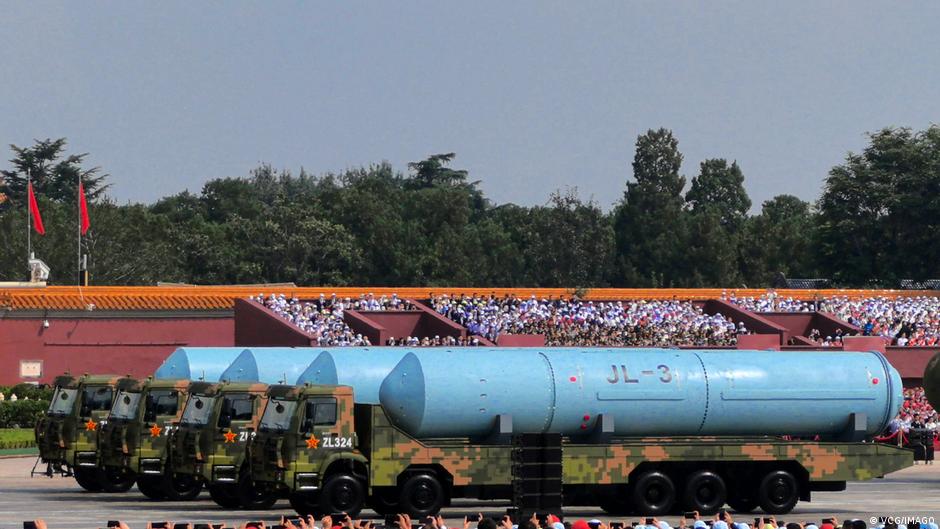
The appeal comes amid concerns over recent missile tests in the Pacific Ocean, where notification standards were reportedly not adhered to. Although no country was named explicitly, the statement implicitly referred to an early July test by China, which launched a strategic missile with a mock warhead from a nuclear submarine in the Pacific. Beijing reportedly informed only a limited number of states shortly before the launch.
Recent Developments in the Korean Peninsula
Adding to regional tensions, North Korea conducted at least one ballistic missile launch on the night of August 12, according to reports from Tokyo and Seoul. This was Pyongyang’s eleventh missile test this year.
South Korea’s Yonhap news agency reported that the missile was launched from the eastern coast of North Korea, near Wonsan, flying eastward. The Republic of Korea’s military has heightened surveillance and remains vigilant for potential further launches.
Japan’s Ministry of Defense assessed that the missile reached a maximum altitude of approximately 90 kilometers and fell into the sea around 10 minutes after launch, traveling less than 700 kilometers.
These events underscore the continuing volatility in the region and the critical importance of enhanced communication protocols regarding ballistic missile testing for maintaining international stability.