Putin’s G20 Invitation Becomes Market Watchpoint for Ukraine War Diplomacy
Germany says any Russian move toward a ceasefire would test whether Moscow is ready for serious talks, as investors track geopolitical risk.
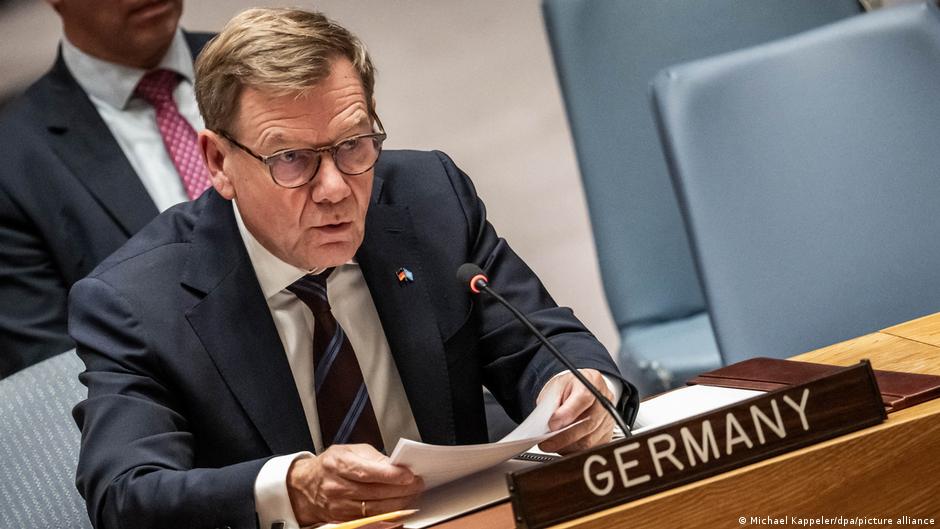
A possible appearance by Russian President Vladimir Putin at the Group of 20 summit in Miami has become a fresh geopolitical watchpoint for markets, after Germany’s foreign minister said the invitation would test whether the Kremlin is prepared to negotiate an end to the war in Ukraine.
German Foreign Minister Johann Wadephul said on Friday, September 25, during a meeting in Ottawa with Canadian Foreign Minister Anita Anand, that the U.S. invitation to the December G20 summit would serve as a “litmus test” for Putin. Wadephul said the clearest signal of Russian readiness for substantive talks with Kyiv would be a ceasefire in Ukraine.
The remarks add another variable to the political risk calendar for investors, policy makers and companies exposed to energy prices, defense spending, sanctions risk and European growth expectations. While the source article did not cite specific market moves, the diplomatic developments around the summit could influence real-time assessments of war-related risk if they point either toward negotiations or continued military escalation.
Ceasefire Signal Framed as Key Test
Wadephul emphasized that Germany and other Western countries allied with Ukraine have repeatedly called on Russian authorities, and Putin personally, to come to the negotiating table. He said Moscow’s willingness to enter meaningful negotiations would be indicated by a ceasefire in Ukraine.
“Russia must negotiate — the sooner, the better,” Wadephul said.
Asked whether the G20 summit should be boycotted if Putin continues military action, the German foreign minister said Russian participation remains “very hypothetical.” He urged observers to wait for developments over the coming weeks before drawing conclusions.
That caution matters for market participants because summit attendance alone may not establish a change in policy. Traders and analysts looking at geopolitical risk would likely focus on whether any participation is accompanied by concrete steps, especially a halt in fighting, diplomatic commitments or signals from Washington, Berlin, Ottawa and Kyiv.
Anand, Canada’s foreign minister, also said Putin’s potential participation in the G20 would not itself be grounds for a boycott. She argued that diplomacy requires countries to remain at the negotiating table and conduct difficult conversations.
Washington Invitation Draws U.S. Senate Pushback
The debate follows comments from U.S. Secretary of State Marco Rubio, who said the Kremlin leader had been invited to the G20 summit scheduled for December in Miami. Rubio said the visit would give Putin an opportunity to hold talks with U.S. President Donald Trump and other heads of state and government. The Kremlin has not yet decided how it will respond to the invitation.
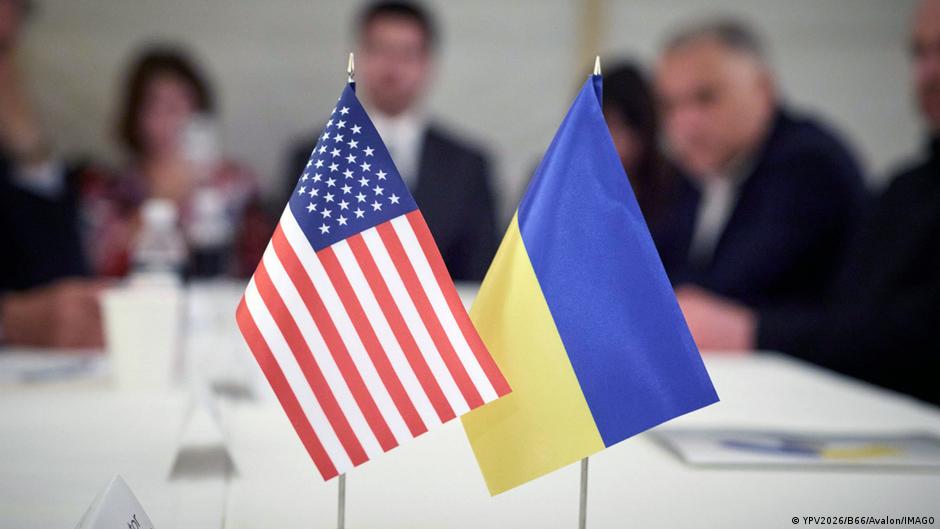
According to The Washington Post, a bipartisan group of 14 U.S. senators has urged Trump to withdraw the invitation. The senators argued that Putin bears sole responsibility for Russia’s full-scale war of aggression against Ukraine and warned that allowing him to attend a G20 summit in the United States raises serious concerns about legitimizing and normalizing authorities that continue to strike civilian targets in Ukraine every day.
The senators also pointed out that Putin and other members of the Russian delegation are under U.S. sanctions for actions that Washington considers a threat to national security. They argued that if Putin is not isolated from the international community, he will have less incentive to end the war in Ukraine.
For markets, that U.S. domestic split adds another layer of uncertainty. The invitation itself signals the possibility of direct high-level engagement, but congressional opposition highlights the political constraints around any potential shift in Western diplomacy toward Moscow. Investors monitoring sanctions, commodity flows, reconstruction expectations and defense-linked sectors may treat the coming weeks as a period of heightened headline sensitivity.
The summit is set for December, leaving a narrow but important window for diplomatic positioning. Wadephul’s comments suggest Germany will judge Moscow’s seriousness less by attendance at the G20 than by whether Russia stops fighting in Ukraine. Anand’s remarks, meanwhile, underscore a Western argument that maintaining diplomatic channels does not necessarily mean endorsing Russia’s conduct.
The Kremlin’s response remains unresolved. Until Moscow decides whether Putin will attend, and until there is clarity on whether any ceasefire or negotiation framework is under consideration, the G20 invitation remains a political signal rather than a market event with defined outcomes. Still, in a market environment where geopolitical headlines can quickly affect risk appetite, the Miami summit has become a live item on the global policy calendar.