Yemen Mobilizes as Houthi Advance Raises Red Sea Trade Risk
Yemen’s leadership called for national mobilization as Houthi gains near critical waterways sharpen concerns over oil flows and regional risk.
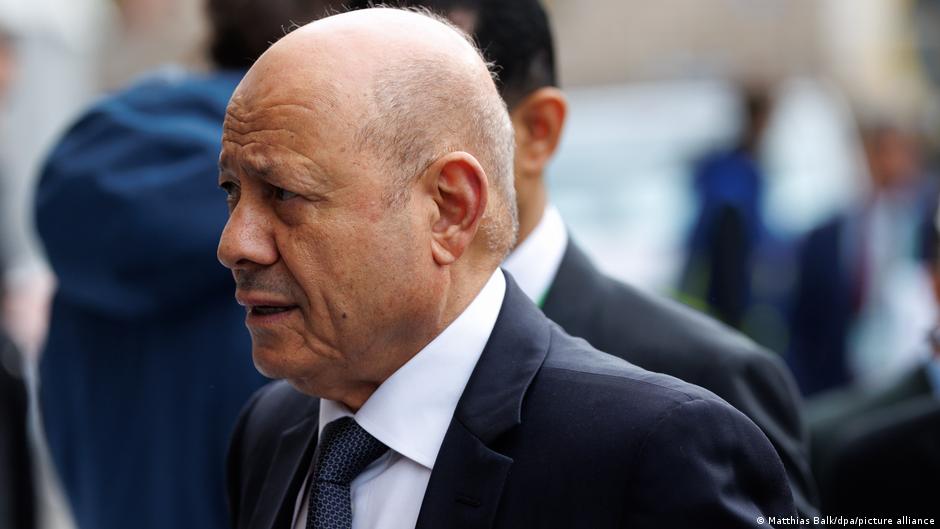
Yemen’s internationally recognized leadership has called on citizens to mobilize as Iran-backed Houthi forces press an offensive that is increasingly drawing attention from energy traders, shipping operators and regional risk desks.
Rashad al-Alimi, chairman of Yemen’s Presidential Leadership Council, appealed to Yemenis on Friday, September 25, to contribute to the defense of the country and join government forces. He also promised that Houthi fighters who leave the rebel ranks and side with the government would be pardoned under an imminent amnesty.
The appeal came against the backdrop of an escalation in the long-running conflict with the Houthis, who are aligned with Iran. Several weeks ago, the group struck government forces. Despite support from Saudi military aircraft, Yemen’s army has continued to retreat.
Al-Alimi called on citizens to help defend the country and said rebels who defect to the government would be covered by a forthcoming amnesty.
For markets, the latest phase of the conflict is significant because the fighting is no longer viewed only through a domestic Yemeni lens. Houthi territorial gains along the Red Sea coast and near the Bab el-Mandeb Strait have placed renewed focus on one of the world’s most sensitive maritime corridors.
Red Sea Route Moves Back Into Market Focus
Over recent months, the Houthis have managed to seize the entire Red Sea coast, as well as territories adjacent to the Bab el-Mandeb Strait. The waterway has gained strategic importance since the start of the U.S. and Israeli war against Iran, serving as an alternative trade route that helps partially offset disruptions to oil supplies caused by the blockade of the Strait of Hormuz.
That shift has sharpened the market relevance of military developments in Yemen. Bab el-Mandeb links the Red Sea with the Gulf of Aden and is central to trade flows between Asia, the Middle East, Europe and the Mediterranean. Any deterioration in security around the route can affect shipping schedules, insurance costs, tanker availability and energy pricing expectations.
The Houthis’ battlefield gains have allowed Iran and its allies to consolidate control over key waterways in the region, with consequences for oil exports from Saudi Arabia and other Gulf countries to global markets. Rebel attacks threaten global trade routes and contribute to rising electricity prices, according to the source account.
The latest developments therefore add another pressure point for traders already monitoring geopolitical risk across Gulf supply chains. Oil markets tend to react not only to physical supply losses but also to perceived risks around transit routes, refining inputs and export reliability. The reported Houthi control of territory near strategic shipping lanes increases the probability that traders will price in a higher risk premium, particularly if attacks continue or spread.
Saudi Exposure and Regional Escalation
In early September, the Houthis announced an expansion of military operations across the Middle East and struck four cities in southern Saudi Arabia. More than 70 people were injured in the large-scale bombardment, and fires broke out at oil facilities.
Saudi Arabia responded with more than 60 airstrikes on several provinces controlled by the Houthis. On September 19, the Saudi-led Coalition to Restore Legitimacy in Yemen said Yemeni rebels had, for the first time, attempted to strike the kingdom’s capital, Riyadh, with a ballistic missile.
Those events underscore the potential for the conflict to affect energy infrastructure and investor sentiment across the Gulf. Saudi Arabia remains a central supplier in global oil markets, and any threat to its production, storage, export terminals or internal security can quickly become a market-moving event. Even when physical flows continue, attacks on oil facilities can alter risk calculations for crude benchmarks, refined products and electricity markets.
According to Reuters reports cited in the source, the Houthi advance is being directed by Iran’s Islamic Revolutionary Guard Corps. Sources in Tehran said Iran is seeking to open a new front in its confrontation with the United States.
That alleged role by the IRGC adds a wider geopolitical dimension to the market outlook. Investors are likely to monitor whether the conflict remains concentrated in Yemen or becomes more explicitly integrated into the broader U.S.-Iran confrontation. Any widening of the conflict could reinforce demand for hedges against energy shocks and disrupt regional trade planning.
A Fragmented War With Global Implications
Yemen has been engulfed in civil war since 2014. The conflict has effectively divided the country among three rival sides. The Iran-backed Houthis hold northern and western provinces, including the capital, Sanaa, where about 70% of the population lives.
The latest call for mobilization reflects pressure on the government side as Houthi forces consolidate gains. It also marks an attempt to shift momentum by expanding recruitment and encouraging defections from rebel ranks through the offer of amnesty.
For market participants, the key issue is whether the fighting further threatens maritime chokepoints and Gulf energy exports. The source account links Houthi attacks and territorial advances to risks for global trade routes and higher electricity prices, while also tying the Bab el-Mandeb route to efforts to compensate for oil supply disruptions caused by the Hormuz blockade.
As a result, Yemen’s battlefield map is becoming a real-time indicator for regional supply risk. Any further Houthi advances, Saudi retaliatory strikes, missile attempts against major cities, or incidents near oil facilities could influence trading volumes in energy-linked instruments and accelerate sector rotation toward defense, shipping security, energy producers and other geopolitical risk beneficiaries.
The immediate trigger is political and military: al-Alimi’s appeal for citizens to mobilize and his promise of amnesty for rebels who switch sides. The wider market story is the growing vulnerability of trade corridors that connect Gulf oil exports with global demand centers. With Houthi forces advancing and Saudi Arabia directly exposed to cross-border attacks, Yemen’s conflict is again positioned as a breaking market event rather than a remote regional war.