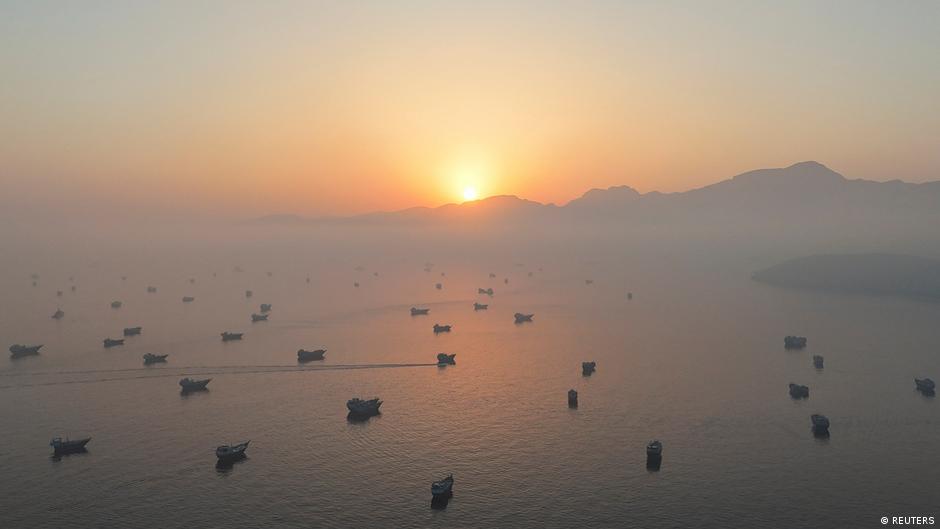
Business
U.S. Strike Disables Panama-Flagged Vessel as Hormuz Tanker Is Hit
CENTCOM said a U.S. fighter disabled the M/V Ocean Molica, while UKMTO reported a separate tanker fire in the Strait of Hormuz.
Editorial Team · Oct 11, 2026
CENTCOM said a U.S. fighter disabled the M/V Ocean Molica, while UKMTO reported a separate tanker fire in the Strait of Hormuz.
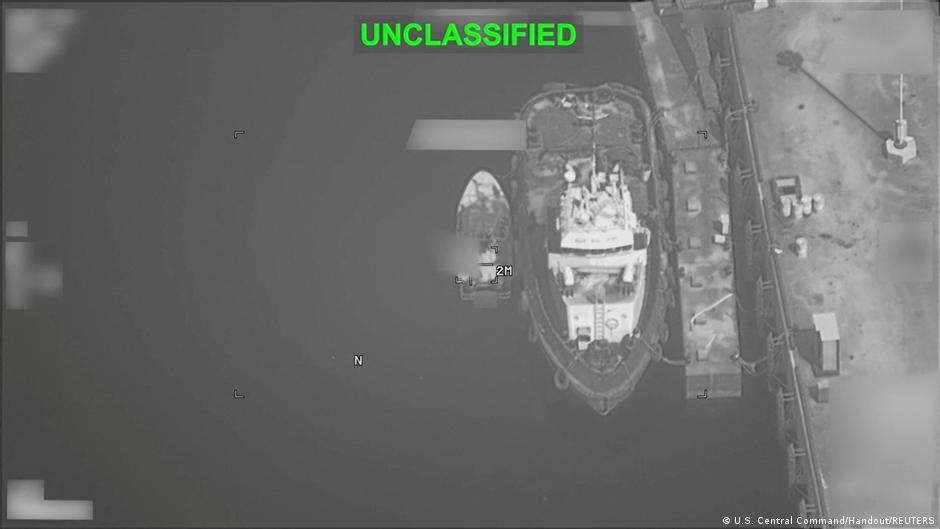
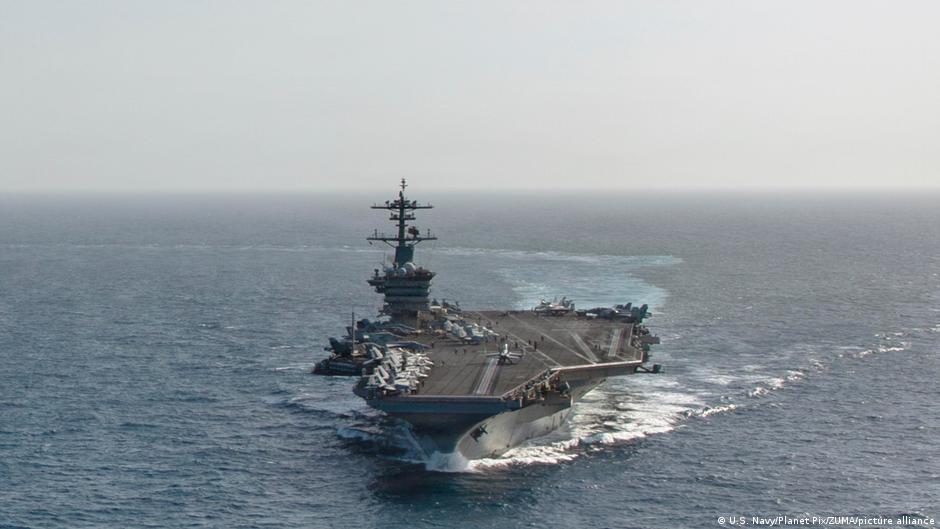
CENTCOM said U.S. forces destroyed five Iranian oil tankers after two ballistic missile attacks on a U.S. Navy ship.
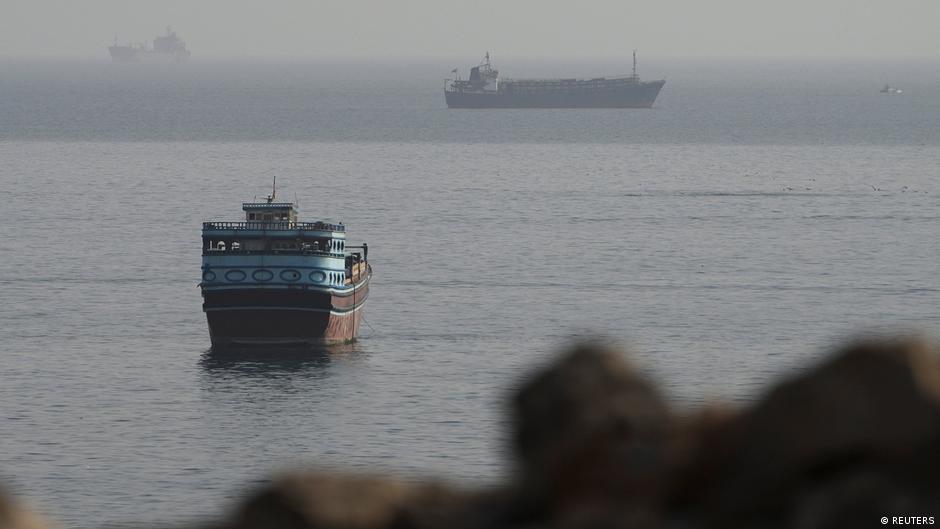
US forces disabled the steering of a Panama-flagged cargo ship trying to breach the Iran blockade in the Gulf of Oman, reinforcing control over the Strait of Hormuz.
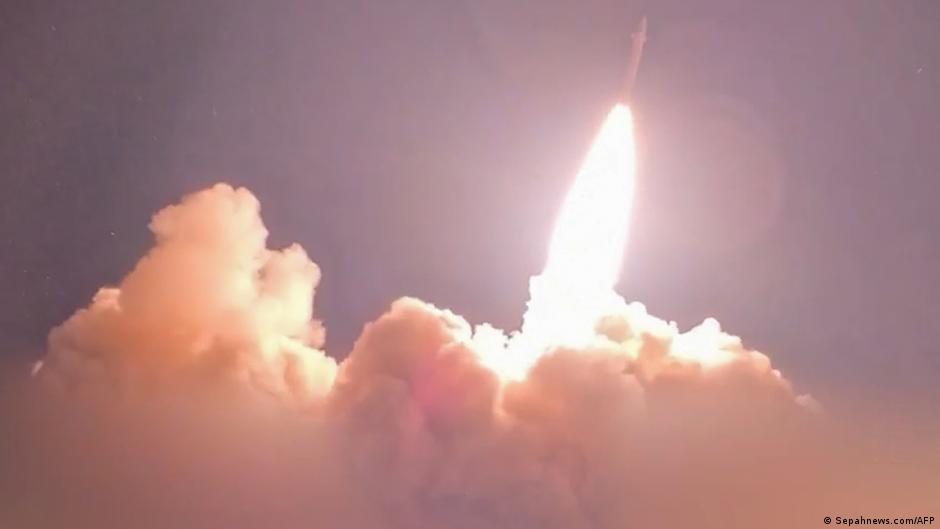
US forces intercepted ballistic missiles launched by Iran targeting troops in the Middle East, escalating tensions after recent ceasefire efforts.
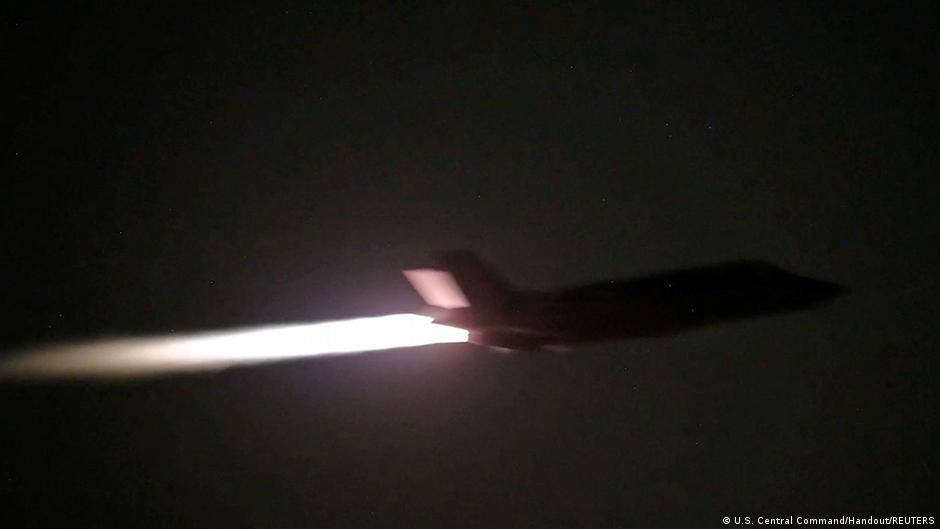
US military continues 11-night offensive strikes on Iran targeting strategic sites amid escalating regional hostilities and maritime security concerns.
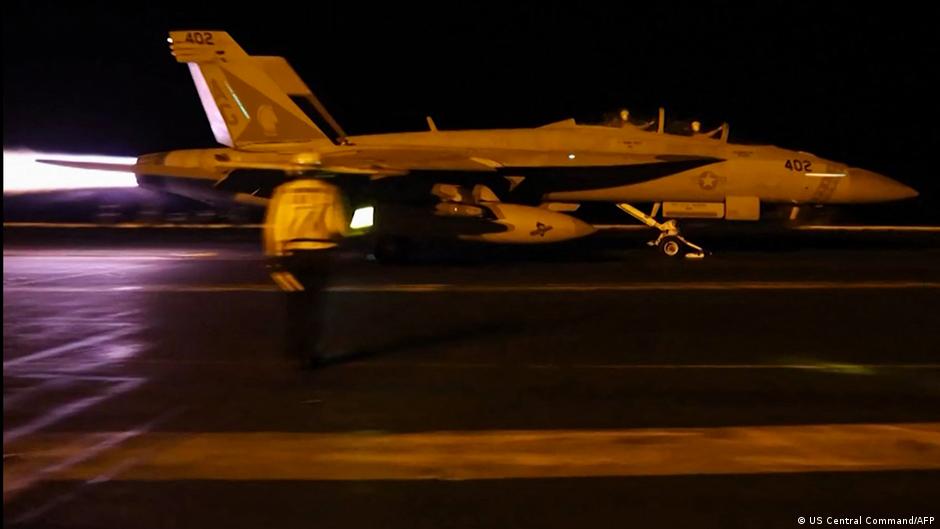
The US conducted its tenth straight day of strikes on Iran’s military sites as Tehran responded with missile and drone attacks, intensifying tensions in the Strait of Hormuz.
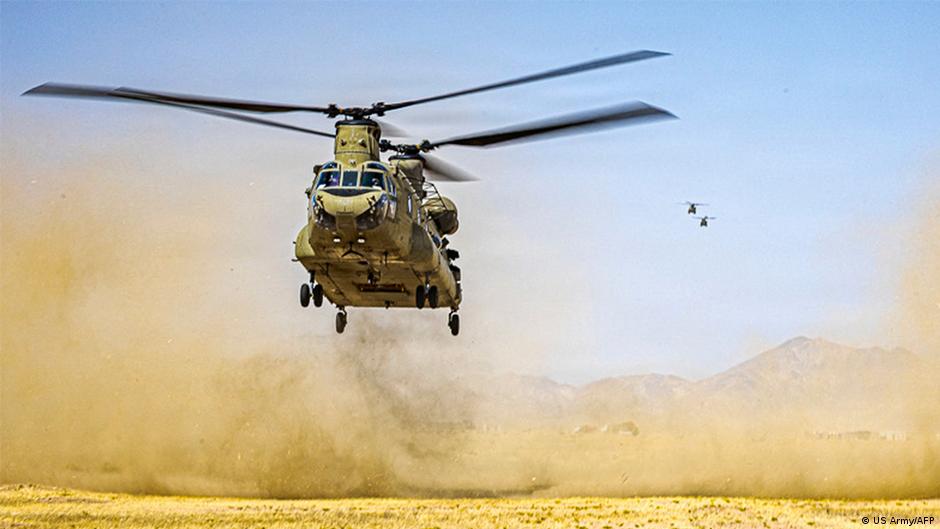
US military deaths in the Iran conflict have reached 17 after a soldier was killed during the detonation of Iranian explosives in Iraq, with US forces escalating military deployments amid rising tensions.
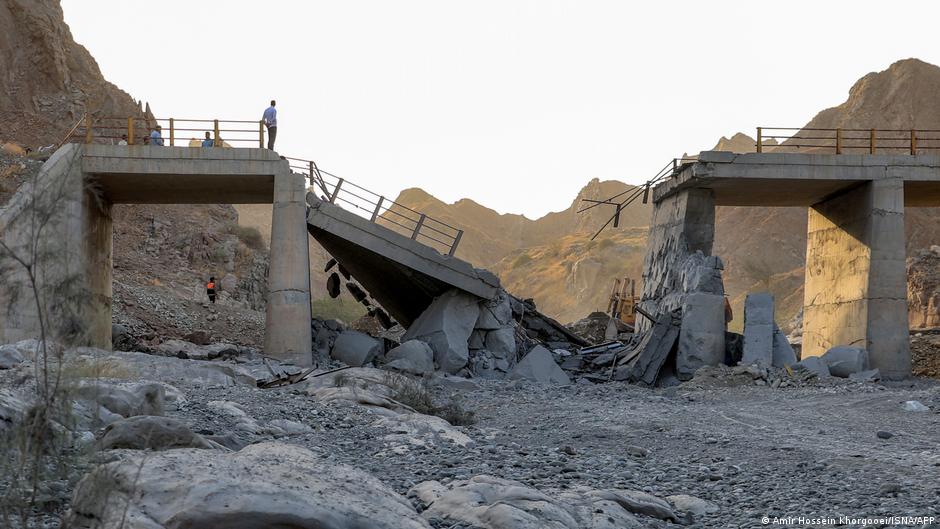
The US has launched airstrikes against Iran for the ninth night, while Iran targets US bases in Kuwait and Bahrain amid escalating Middle East tensions.
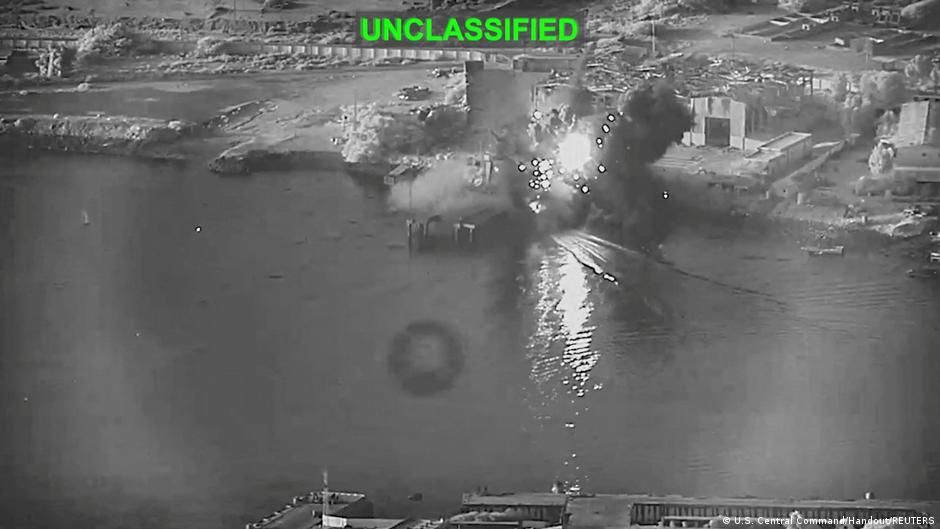
The US launched multiple strikes on Iranian infrastructure, prompting Iranian retaliatory attacks and heightened regional defense measures amid escalating tensions.
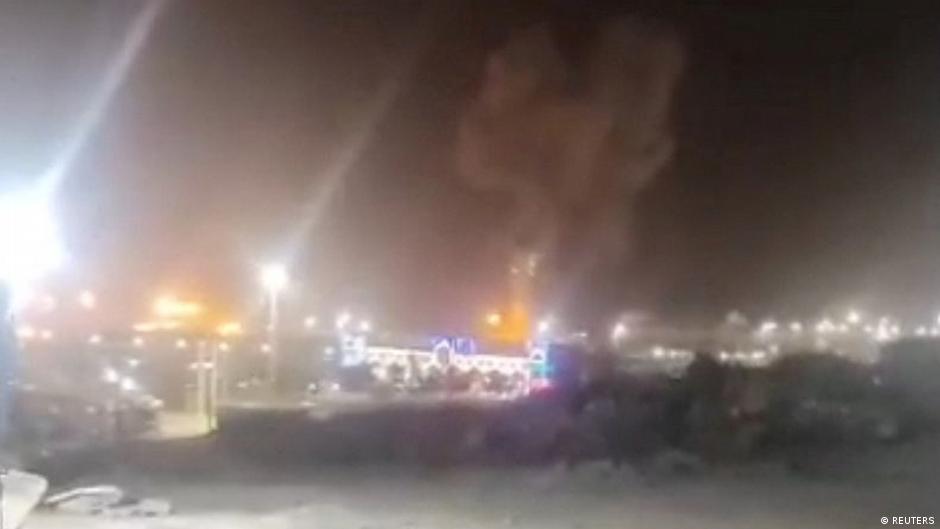
US forces conducted airstrikes on Iranian military and infrastructure sites in the Persian Gulf; Iran retaliated with attacks on US bases in Bahrain and Kuwait.
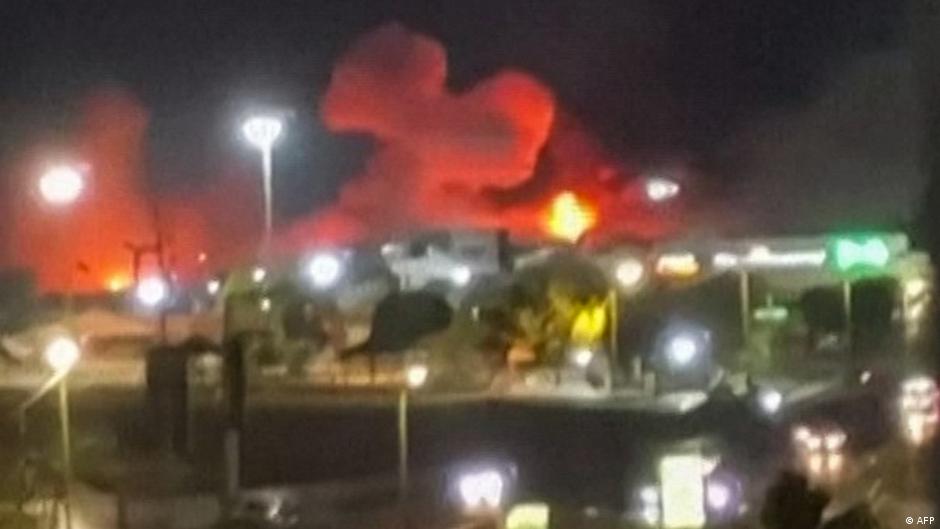
The US military launched new strikes on Iranian targets near the Strait of Hormuz to disrupt attacks on commercial shipping, escalating regional tensions and raising global energy market risks.
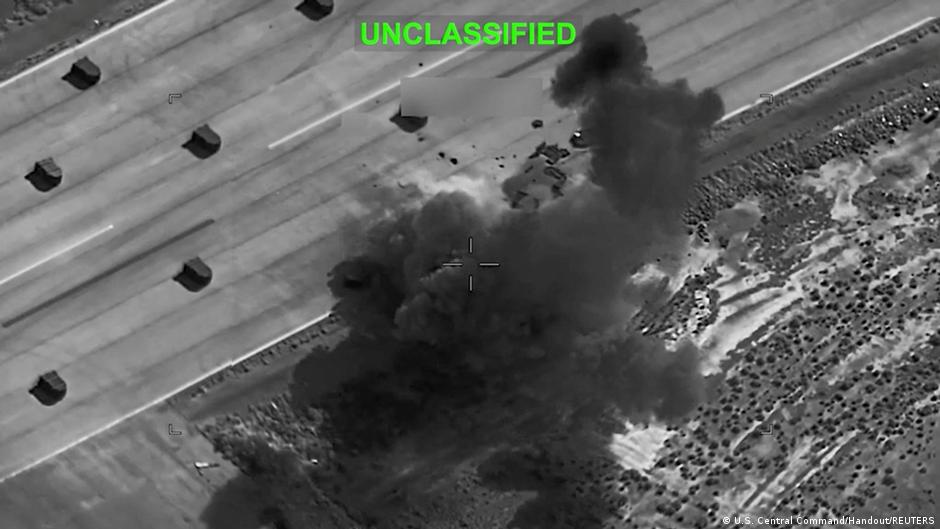
US forces struck Iran for the third time this week after attacks on commercial vessels, leading to the closure of the crucial Strait of Hormuz and escalating regional tensions.
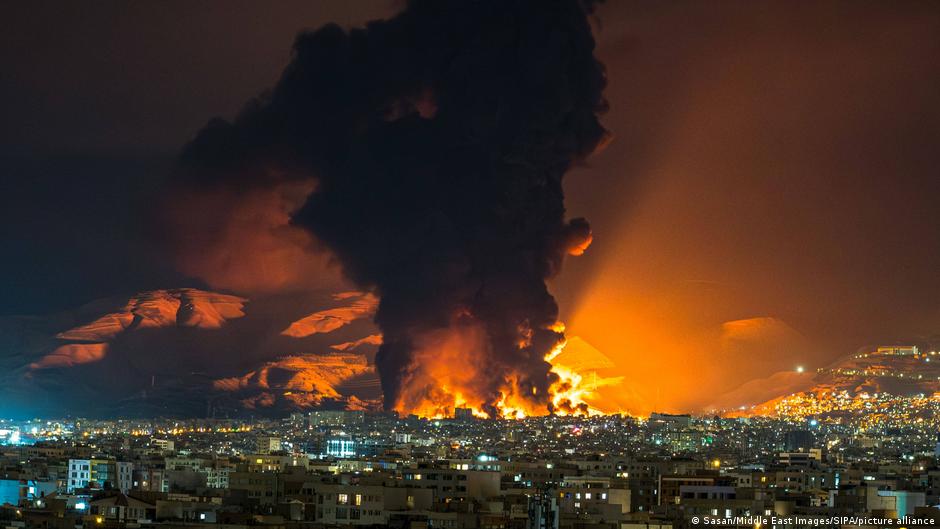
The US has launched new airstrikes on Iran targeting over 80 military sites to curb Tehran’s interference with shipping in the Strait of Hormuz, escalating regional tensions.
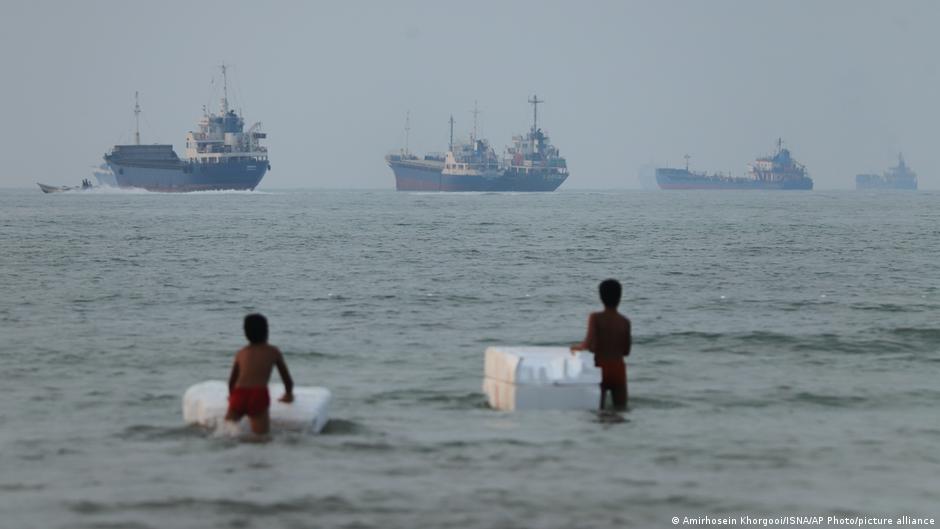
US military strikes Iranian targets after attacks on commercial vessels in the Strait of Hormuz, while diplomatic efforts to de-escalate tensions remain stalled.
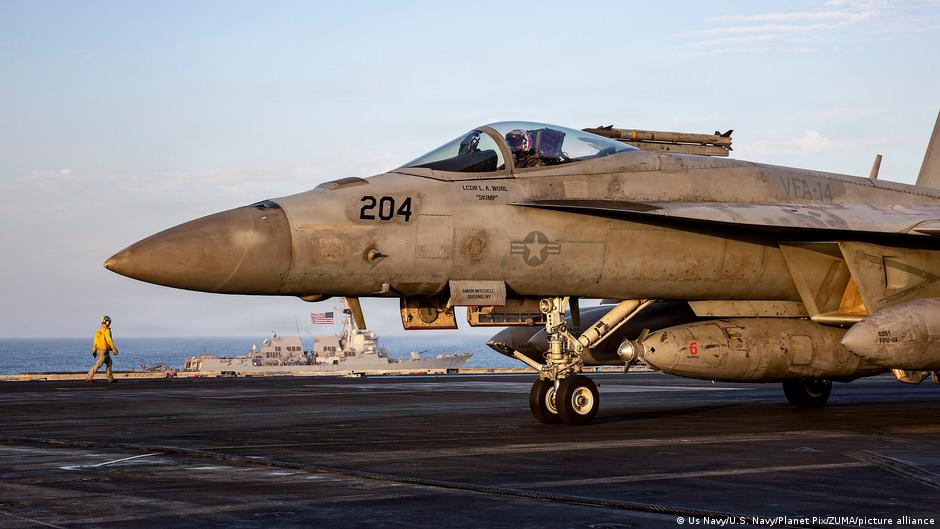
US forces struck Iranian military infrastructure after drone attacks on oil tankers near the Strait of Hormuz, escalating tensions and impacting global energy markets.
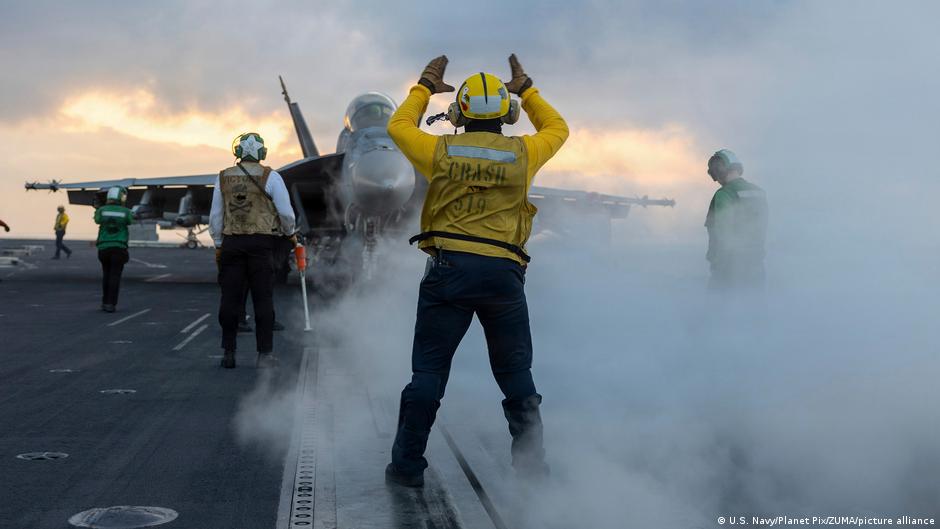
US strikes Iran after drone attack on Singapore-flagged ship in Strait of Hormuz; Iran retaliates by firing on US bases, raising oil prices amid regional tensions.
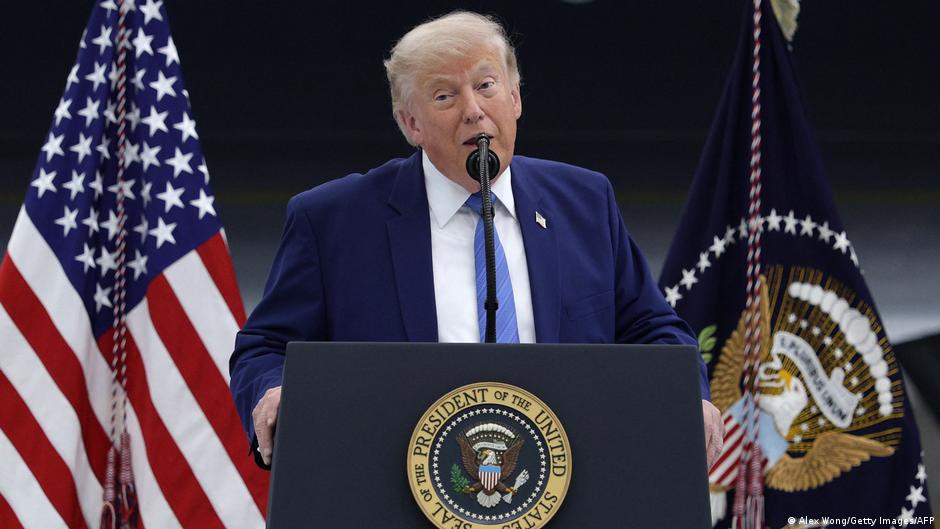
The US may impose fees for Strait of Hormuz passage if the Iran deal fails, following a temporary ceasefire and lifted blockade, signaling potential shifts in global oil trade flows.
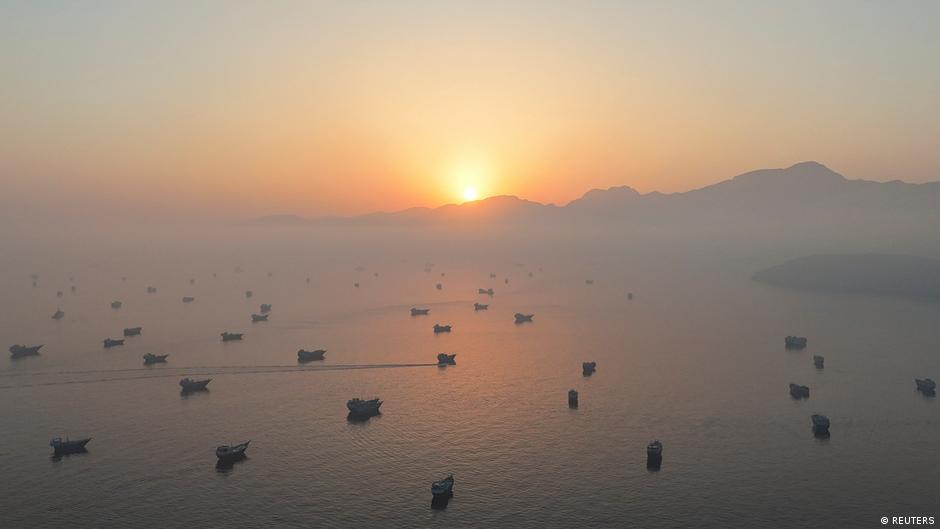
The US has lifted its naval blockade of the Strait of Hormuz, enabling record oil transit volumes amid ongoing US-Iran peace negotiations.
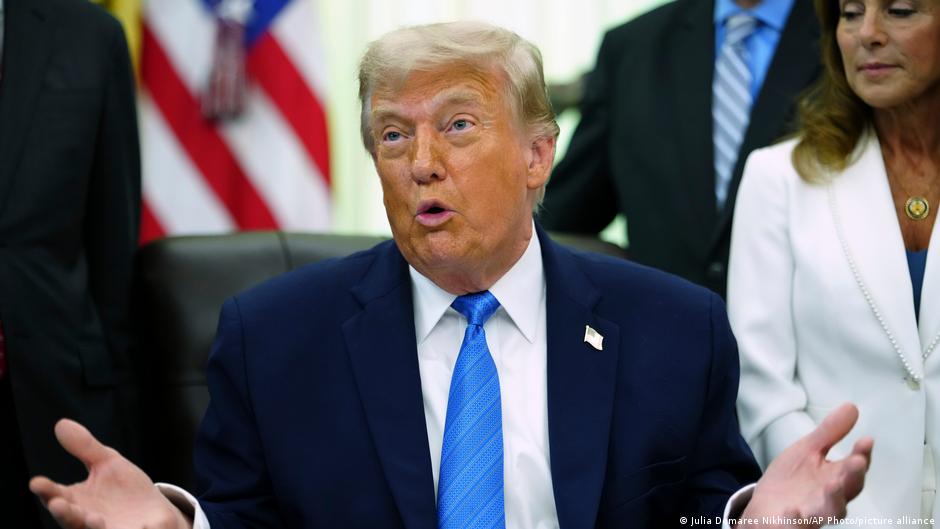
US cancels planned strikes on Iran amid diplomatic progress, prompting shifts in energy and defense markets as multinational deal nears finalization.
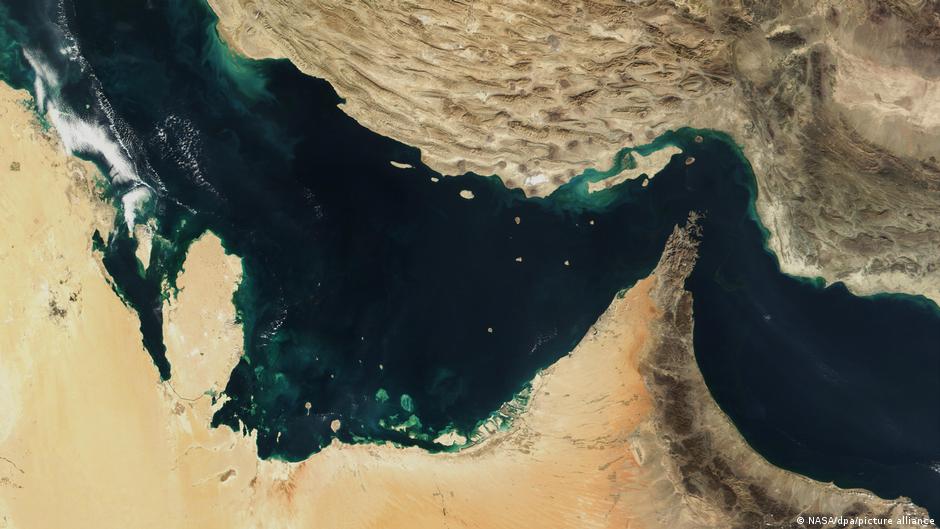
US military strikes on Iran resume, prompting Tehran to attack US bases and close the strategic Strait of Hormuz, escalating tensions and impacting global energy routes.
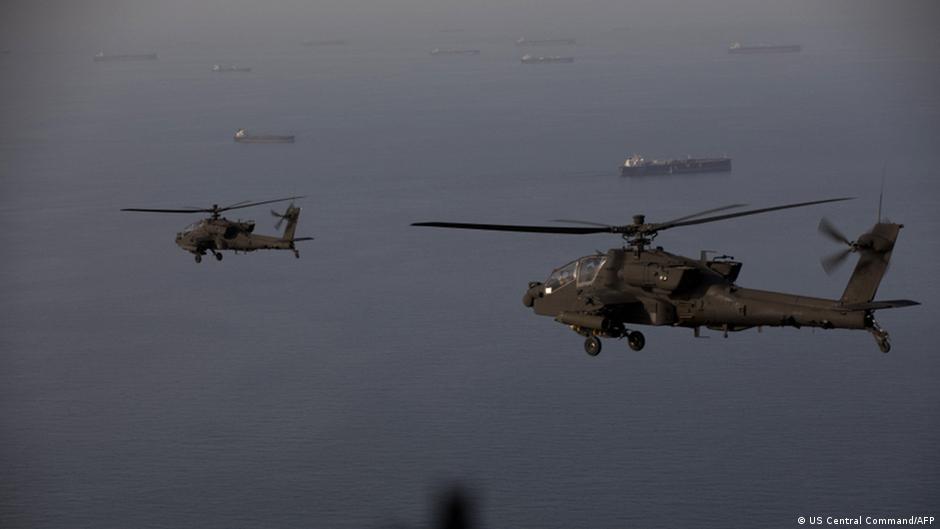
US forces launched strikes on Iranian air defense sites after Tehran downed an American Apache helicopter near the Strait of Hormuz, escalating regional tensions.
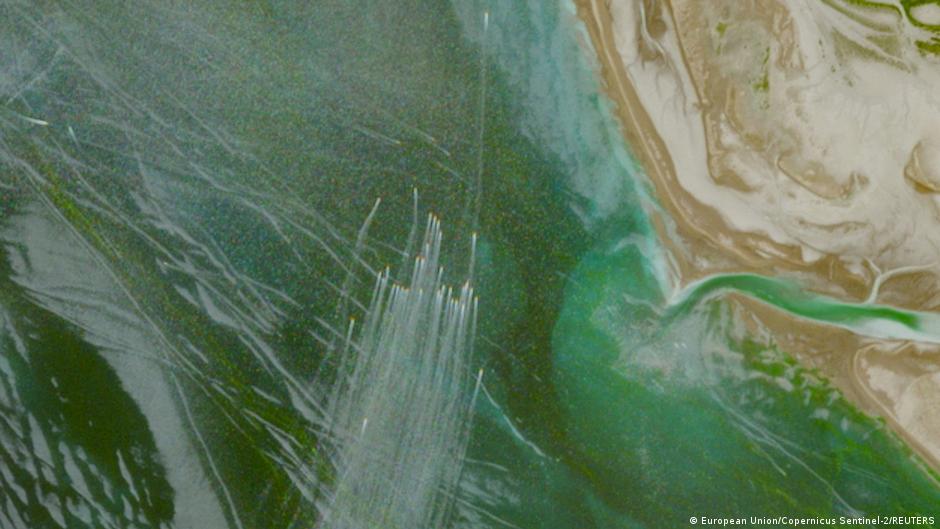
US forces intercepted four Iranian drones threatening shipping in the Strait of Hormuz, striking radar stations amid ongoing Gulf tensions and regional missile attacks.
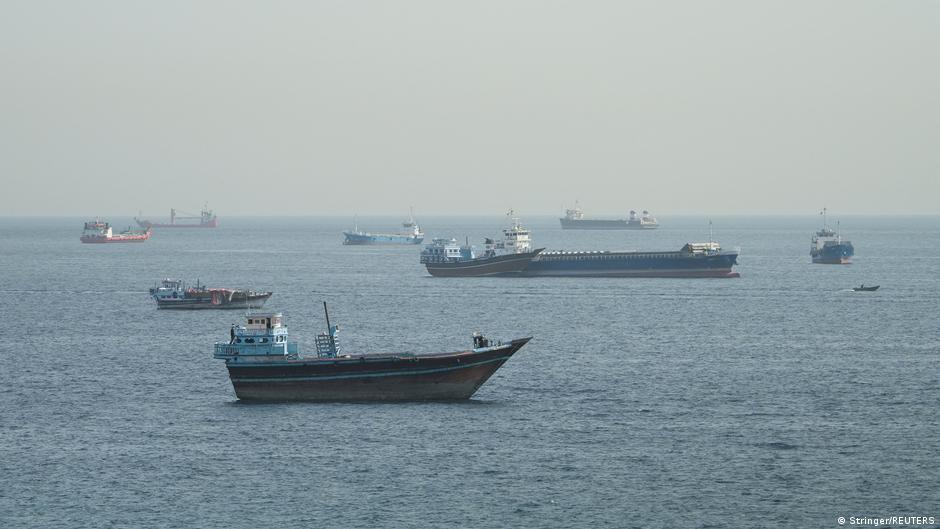
The US has covertly assisted about 70 commercial vessels through the Iran-blockaded Strait of Hormuz over three weeks, with most ships sailing without active transponders.
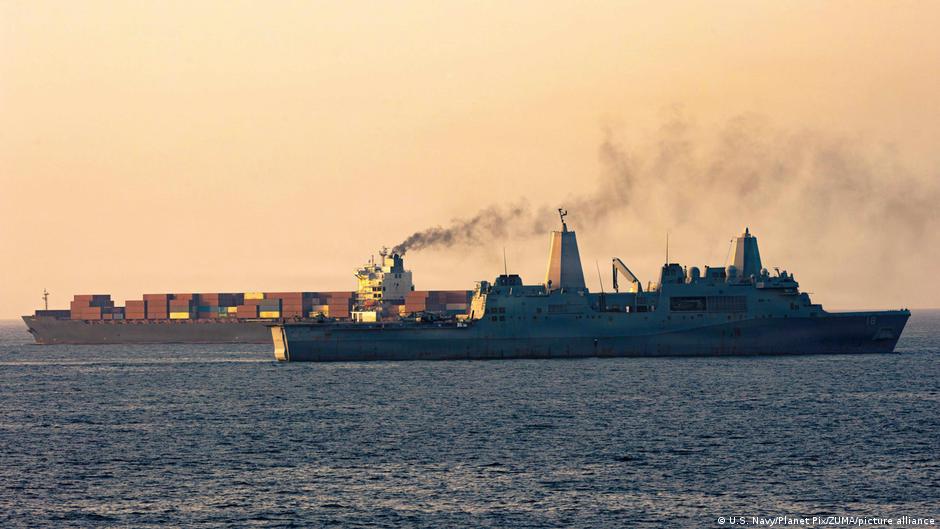
US forces disabled a Gambian-flagged vessel heading to Iran in the Gulf of Oman amid enforcement of the Strait of Hormuz blockade, following repeated warnings.
The US conducted defensive strikes on southern Iran targets, aiming to protect American troops during an ongoing ceasefire, impacting energy markets and geopolitical risk.