US Military Strikes Iran Again as Strait of Hormuz Closes Amid Rising Tensions
US forces launched a third wave of strikes on Iran this week following attacks on commercial vessels, prompting closure of the vital Strait of Hormuz.
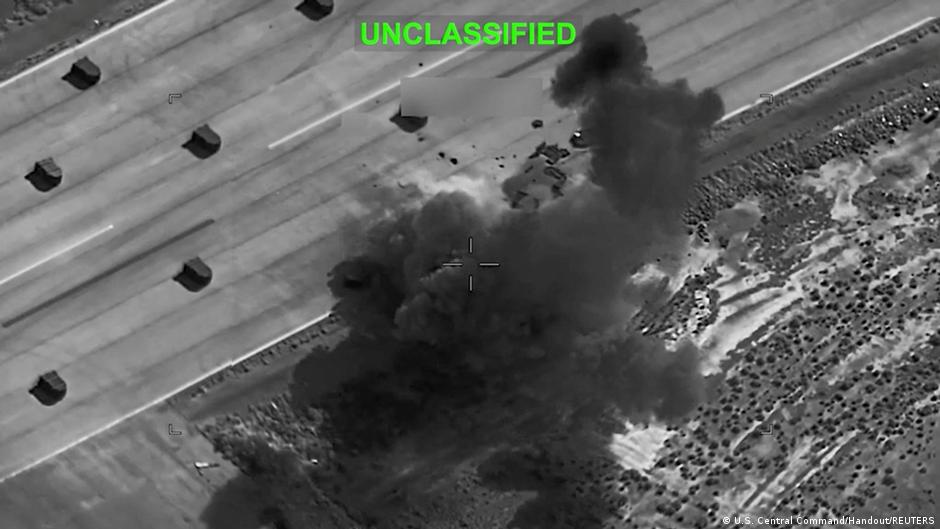
US military forces initiated a third round of strikes against Iran in the early hours of Sunday, July 12, escalating tensions in the strategically critical Strait of Hormuz. The area, essential for global oil exports, has been effectively closed once again due to ongoing hostilities.
The US Central Command (CENTCOM) confirmed the attacks on social media platform X, citing a retaliatory response to an assault by Iran's Islamic Revolutionary Guard Corps (IRGC) on the Cyprus-flagged container ship GFS Galaxy transiting the strait. The vessel suffered significant fire damage and machine room impairment, rendering it unable to continue its voyage, with one crew member reported missing.
Military Responses and Strategic Impact
According to CENTCOM, the latest strikes were aimed at degrading Iran's ability to threaten commercial shipping and civilian mariners navigating the vital waterway. "Iran was given another opportunity to adhere to the Memorandum of Understanding after being held accountable for previous attacks on commercial vessels, but failed to do so again," the statement read.
"Iran made the wrong choice. Now they are paying the price," US Secretary of Defense Pete Hegseth said succinctly, underscoring Washington's firm stance.
The IRGC, for its part, justified its actions as preventive measures against vessels deviating from routes approved by Iran, claiming to have fired warning shots at the GFS Galaxy after it allegedly disabled tracking systems and endangered maritime security. Iranian military sources further declared the Strait of Hormuz closed until US interventions in the region cease, threatening further attacks on US military bases in the Middle East if strikes persist.
This confrontation follows a fraught period of escalating military exchanges. Prior to the outbreak of hostilities, approximately 20% of the world's oil trade transited the Strait of Hormuz, emphasizing the global economic stakes involved.
On June 17, the US and Iran signed a preliminary agreement aiming to halt hostilities and reopen the strait. However, on June 25, Iran's military executed a kamikaze drone attack on a commercial tanker in the area, prompting immediate US retaliatory strikes on June 26. Since then, multiple cycles of attacks and counterattacks have occurred, with neighboring Bahrain and Kuwait also experiencing Iranian fire. The US military reports targeting Iranian assets such as radar installations and missile and drone depots in retaliation.
At the NATO summit in Ankara on July 8, US President Donald Trump declared the Memorandum of Understanding with Iran defunct, disparaging Iranian leadership and refusing direct negotiations, while allowing US negotiators to continue talks if desired. Concurrently, Washington reinstated oil sanctions against Tehran.
Amid ongoing tensions, reports emerged on July 11 that Iranian officials, in confidential talks with the US, attributed recent attacks in the Strait to rogue elements within their system, acknowledging internal failures and expressing willingness to negotiate.
The persistent instability in the Strait of Hormuz continues to significantly affect global energy markets and geopolitical dynamics, with implications for trading volumes, sector rotations, and market volatility worldwide.