Six Injured in Kyiv Amid Nighttime Ballistic Missile Strikes by Russia
At least six people were wounded in Kyiv after a series of Russian ballistic missile attacks disrupted the city without prior air raid warnings.
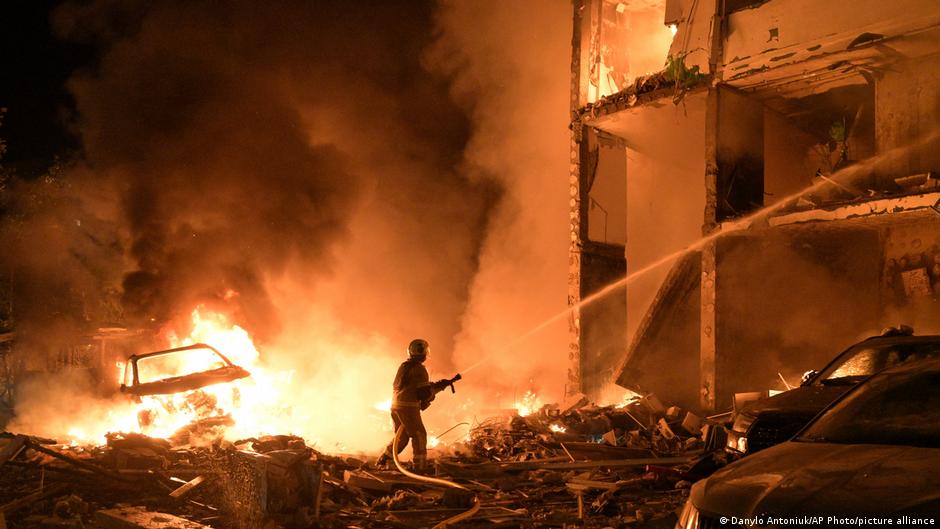
In the early hours of Saturday, July 10, Kyiv experienced a significant military assault as Russian forces launched ballistic missile strikes against the Ukrainian capital. Local authorities confirmed that no air raid warnings were issued in advance, intensifying the impact on residents.
According to Kyiv's mayor, Vitali Klitschko, the strikes began around 03:38 local time. Media reports indicate that the air raid sirens were activated only at 03:40 in Kyiv and even later at 03:54 in the wider Kyiv region, limiting civilians' time to seek shelter.
Damage and Casualties Across Kyiv Districts
The missile attacks caused multiple fires and structural damage across several Kyiv districts. A transformer substation in the Darnytskyi district caught fire, alongside an office building in the Solomianskyi district. In Sviatoshynskyi, a missile struck a non-residential building, while a fire broke out in the Dniprovskiy district within an industrial area.
"Three injured individuals were treated on-site, while others required hospitalization," Mayor Klitschko reported, confirming at least six casualties from the attacks.
This incident continues a pattern of deadly strikes against civilian infrastructure and populations in Ukraine since the full-scale invasion by Russia began.
Worsening Civilian Toll Amid Prolonged Conflict
Data from the United Nations highlights that May and June 2026 marked the deadliest months for Ukrainian civilians since the conflict escalated. The UN's Monitoring Mission documented 274 civilian deaths in May and at least 265 in June, alongside over 1,800 injuries. Early July figures already reported 93 civilian deaths from Russian strikes in just the first week.
These trends traditionally see increased civilian casualties during spring and summer months, but 2026's figures are significantly higher than previous years, underscoring the intensification of hostilities and their humanitarian impact.
Strategic Context and Ongoing Military Developments
In retaliation, Ukraine has escalated its use of drone strikes targeting Russian oil refineries, aiming to apply what President Volodymyr Zelensky terms "long-range sanctions" designed to pressure Moscow toward peace negotiations. These strikes reportedly exacerbate the fuel shortages in Russia, affecting public sentiment including within President Vladimir Putin's close circle.
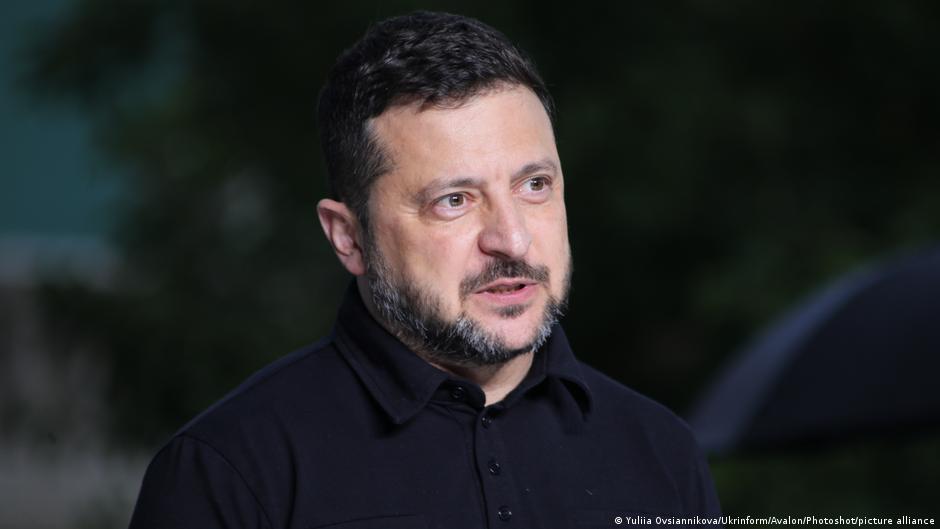
President Zelensky emphasized the international and even internal Russian support for peace initiatives, stating, "We have presented proposals to bring peace closer and have backing not only among global partners but also within Putin's entourage, where there is an understanding of the situation and recognition that peace is the only option." He also announced plans to establish a dedicated command within the Ukrainian Armed Forces to continue these strategic long-range operations.
Meanwhile, despite mounting challenges, Russian leadership remains committed to escalating the conflict. According to sources cited by Reuters, President Putin holds an uncompromising stance, aiming for complete control over the Donbass region, signaling potential for further intensification of warfare.
This latest missile strike on Kyiv exemplifies the ongoing volatility in the region and highlights the critical need for real-time monitoring of military developments and their repercussions on civilian populations and market stability.