US Removes Syria from Terrorism Sponsor List, Signaling Market and Political Shifts
The US lifts long-standing sanctions on Syria, opening doors for investment and economic reintegration amid regional tensions.
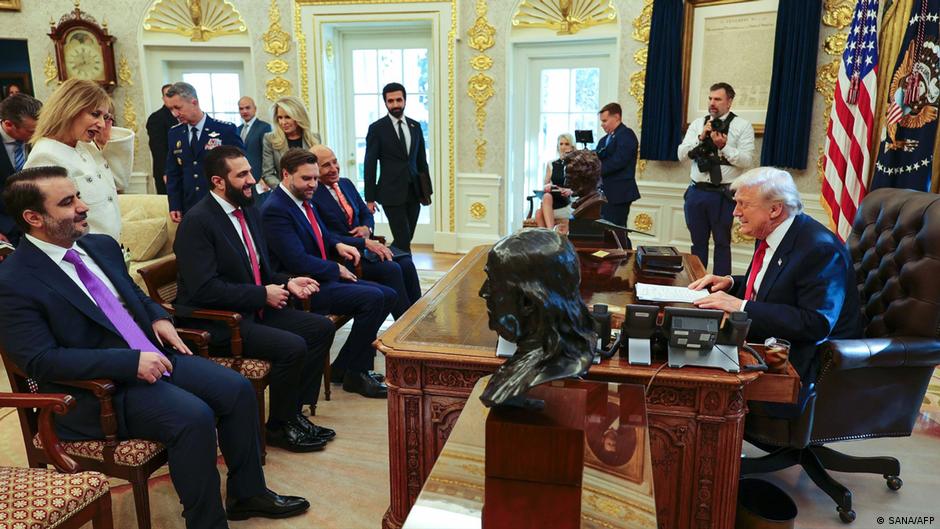
The US State Department has officially removed Syria from its list of state sponsors of terrorism, ending nearly five decades of designation that had severely restricted Syria's access to international markets and investment. This move is part of the Trump administration's broader strategy to normalize relations with Damascus and facilitate Syria's re-entry into the global economy.
Alongside Syria’s removal, sanctions on the group Hayat Tahrir al-Sham (HTS), which assumed power after the fall of Bashar al-Assad’s regime, were also lifted, according to a release by the US Treasury Department on August 24. These measures reflect a calculated effort to rebuild Syria's political and economic stability by encouraging foreign investment.
Economic and Political Implications of the Delisting
Scott Bessent, head of the Treasury, emphasized the policy shift, stating,
"The Treasury Department is delivering on President Trump's promise to give the Syrian people a chance for greatness. Today's actions will help attract additional investment to Syria to strengthen political and economic stability."
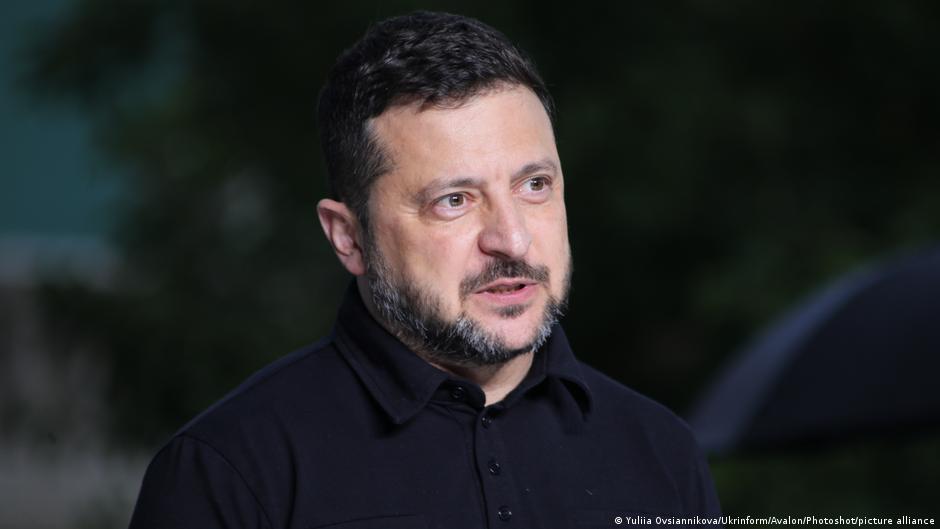
The decision follows significant political changes in Syria that began in late 2024, when the Assad dynasty’s five-decade rule was overthrown. HTS and its leader, interim President Ahmed al-Sharaa, have since worked to establish diplomatic ties with several Western countries, including Germany and the Trump administration in the United States. In June 2025, the US had already rescinded most sanctions previously imposed on Syria.
Syrian transitional government officials welcomed the delisting as a major milestone. Foreign Minister Assad al-Shaibani called it an "important milestone" and pledged ongoing efforts to overcome isolation by fostering transparency, mutual interests, and respect. Interim Finance Minister Mohammed Barniya characterized the US move as a "historic success for Syrian diplomacy," highlighting the opportunity for Syria to deepen integration into global financial systems, attract modern technologies, and expand development capacities.
US Special Envoy for Syria Tom Barrack described the removal from the terrorism sponsor list as a crucial step in transitioning Syria from isolation to partnership and from a terrorism source to an active global counterterrorism partner.
Market and Geopolitical Context
The delisting is expected to prompt a gradual increase in trading volumes related to Syrian assets and could trigger sector rotations favoring Middle Eastern markets as Syria regains access to capital markets and international trade. Although the move improves Syria’s image in Western financial circles, it occurs amid persistent geopolitical tension with Israel.
On August 23, negotiations commenced between Syria and Jordan aimed at reducing bilateral tensions, but just days earlier, Israel conducted airstrikes on a Syrian airfield in the country’s northwest, targeting sites alleged to be used by Turkish forces. Syrian authorities condemned the strikes as unjustified acts of aggression, which were also denounced by the US administration.
Israel’s right-wing government faces several obstacles in its relationship with Syria’s new rulers. It actively opposes increasing Turkish military presence in Syria—a country Turkey now supports politically. Turkey has meanwhile intensified criticism of Israel’s policies toward Palestinian territories, with its Justice Minister announcing intentions to seek the international arrest of Israeli Prime Minister Benjamin Netanyahu, following a warrant issued by the International Criminal Court.
Meanwhile, Israel continues to control much of the Golan Heights, territory internationally recognized by the UN and EU as occupied Syrian land. In the wake of Syria’s political upheaval post-Assad, Israel expanded its control, with Netanyahu directing increased settler and military presence, affirming that the Golan Heights “will always be part of Israel.”
This complex geopolitical backdrop will influence market sentiment and investment flows in the region, creating both risks and opportunities for traders and investors watching Middle Eastern market dynamics closely.