Kyiv Mayor Urges Temporary Relocation as Russian Strikes Intensify
Vitali Klitschko warned that escalating attacks on Kyiv could disrupt water, heating and transport infrastructure ahead of winter.
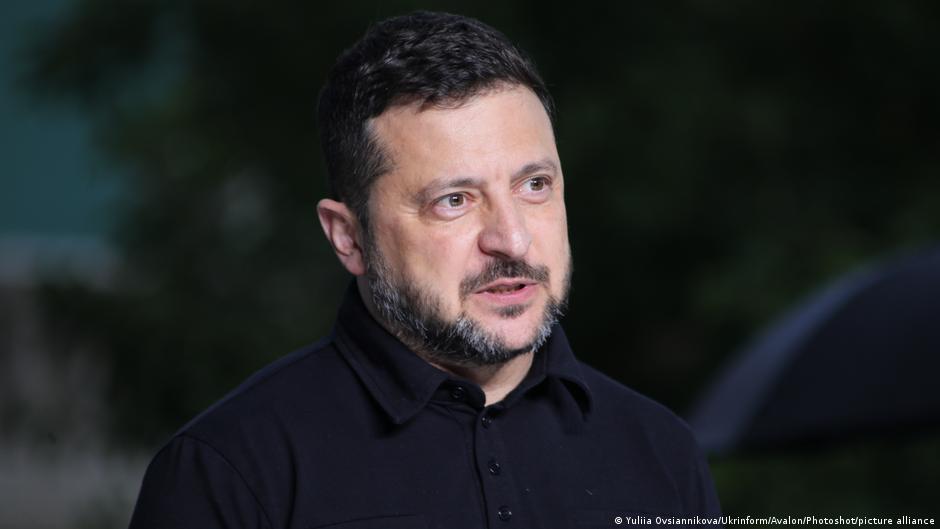
Kyiv Mayor Vitali Klitschko has advised residents with friends or relatives outside the Ukrainian capital to consider leaving the city temporarily, as intensified Russian attacks raise risks for essential infrastructure, winter preparedness and the broader wartime operating environment.
In an interview with AFP published on Wednesday, October 8, Klitschko said the situation in Kyiv had become increasingly severe as strikes on the city intensified. He stopped short of calling for a full evacuation, but said residents who have somewhere to go elsewhere in Ukraine should weigh a temporary move.
“Today it is a matter of survival,” Klitschko said, referring to the impact of the intensified shelling and strikes on Kyiv.
The warning adds to a growing list of wartime pressures facing Ukraine’s capital, where the functioning of water supply, heating, energy, communications and transport systems remains central not only to civilian safety but also to the city’s role as a political, administrative and economic hub. For markets, the comments underscore the continued infrastructure risk embedded in Ukraine-related exposure, including logistics, power supply, reconstruction planning and regional security pricing.
Infrastructure Risk Moves Back Into Focus
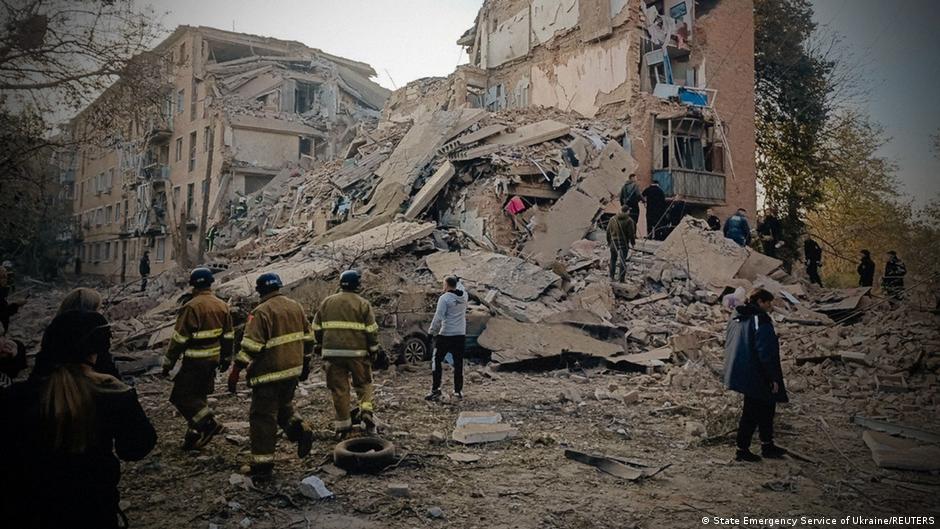
Klitschko said new reports arrive every day of damaged buildings, as well as wounded and killed residents, because attacks on the city have intensified. He warned that if Russian strikes disrupt the water supply system, Kyiv could face a crisis that would be “quite large-scale.”
The mayor said city authorities are building backup heating systems ahead of winter and are also accumulating reserves of fuel, food and drinking water. Those preparations are designed to reduce the risk of a system-wide breakdown in the event of further attacks. But he cautioned that even strong preparations may not be enough if air defenses fail to intercept incoming strikes.
“If air defense does not work, we may end up in a bad scenario,” Klitschko said.
That framing is likely to be watched closely by investors and companies tracking Ukraine’s wartime resilience. The status of urban utilities and transport links can influence everything from humanitarian costs to the feasibility of business continuity, insurance coverage, reconstruction sequencing and international support needs. While the source article does not provide market data, the mayor’s comments point to the kind of infrastructure vulnerability that can shape risk assessments around Ukraine and the wider region.
Kyiv remains a symbolic and operational center for Ukraine. Any disruption to basic services in the capital would have implications beyond municipal management. Water, heating and power resilience become especially sensitive as temperatures fall, and Russia’s past targeting of energy infrastructure has already made winter a critical period for Ukrainian authorities and international partners.
No Call for Full Evacuation
Klitschko emphasized that he is not calling for a complete evacuation of Kyiv. He said such an outcome would serve Russian President Vladimir Putin’s objectives by emptying Ukrainian cities and weakening resistance.
“That is Putin’s goal. The best scenario for him is for all of us to leave and hand him our empty cities and the whole country,” Klitschko said.
The distinction is important. The mayor’s advice is aimed at residents with the means and personal networks to relocate temporarily within Ukraine, not at ordering a citywide departure. The message reflects a balancing act: reducing pressure on vulnerable urban systems while avoiding panic or the appearance that Kyiv is being abandoned.
For real-time market intelligence, the key signal is that Kyiv’s authorities are preparing for elevated operational risk rather than a short-term shock. The city is stockpiling critical supplies and building reserve heating systems, suggesting expectations that infrastructure pressure may persist through the winter period. Those measures also indicate that the risk is not limited to direct damage from individual strikes, but includes cascading failures in utilities if critical systems are hit.
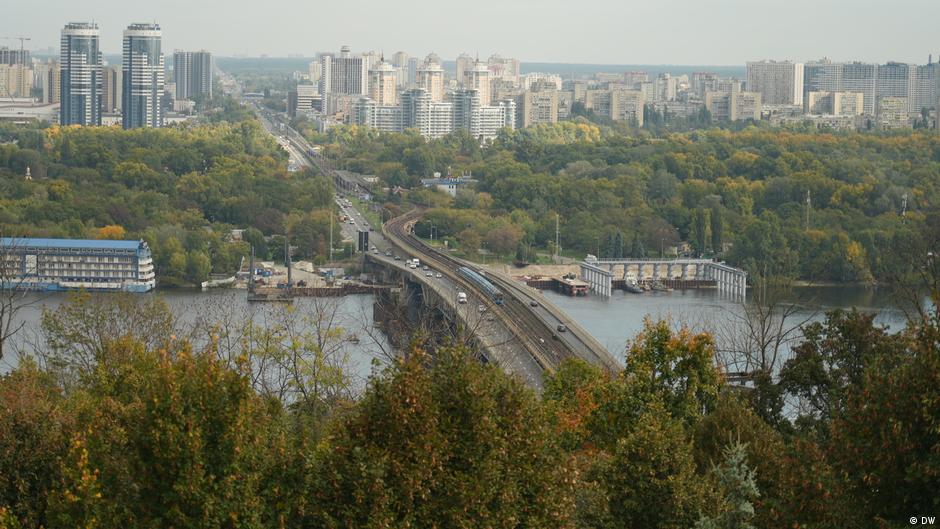
Russia intensified attacks on Kyiv in September. In early October, Russian forces also began striking bridges across the Dnipro River that connect the right-bank and left-bank parts of the capital. According to the source article, those bridges had not previously been targeted. The attacks also targeted energy and communications facilities, as well as railway infrastructure.
Bridges across the Dnipro are especially important because they connect major sections of the city. Any sustained threat to those crossings could complicate movement inside Kyiv, emergency response, supply distribution and commuter flows. Railway infrastructure also remains a major pressure point in Ukraine’s wartime logistics network, serving passenger, evacuation, military and freight needs.
Escalation Signals Ahead of Winter
On October 3, Ukrainian President Volodymyr Zelensky said Russia had adopted a new strategy of airstrikes through which the Kremlin is trying to force Ukrainians to leave Kyiv and other major cities. Klitschko’s comments align with that assessment, describing a campaign that increasingly puts civilian infrastructure and urban endurance at the center of the conflict.
The escalation comes as Ukraine prepares for another winter under attack. Kyiv’s preparations include backup heating, fuel, food and drinking water reserves. But the mayor’s warning makes clear that civil defense capacity and air defense performance remain decisive variables. If strikes penetrate defenses and hit critical infrastructure, local preparations may be overwhelmed.
For market participants, the immediate takeaway is not a specific price move but a renewed risk marker: the conflict’s urban infrastructure dimension is intensifying. The sectors most exposed to such developments include energy, transport, construction materials, defense, insurance and humanitarian logistics. Ukraine-related credit risk, reconstruction expectations and European security spending are also tied to the durability of Ukrainian cities under sustained attack.
Klitschko’s message was direct: residents should not interpret the situation as a citywide evacuation order, but those with options outside Kyiv should consider using them temporarily. His warning reflects both the pressure on Ukraine’s capital and the strategic importance of keeping it functioning through a period of heightened Russian strikes.