Ukraine Says Russian Missile and Drone Barrage Kills 28, Hits 13 Regions
Kyiv reported heavy casualties after a combined Russian strike, keeping geopolitical risk in focus for markets tracking energy, sanctions and European security.
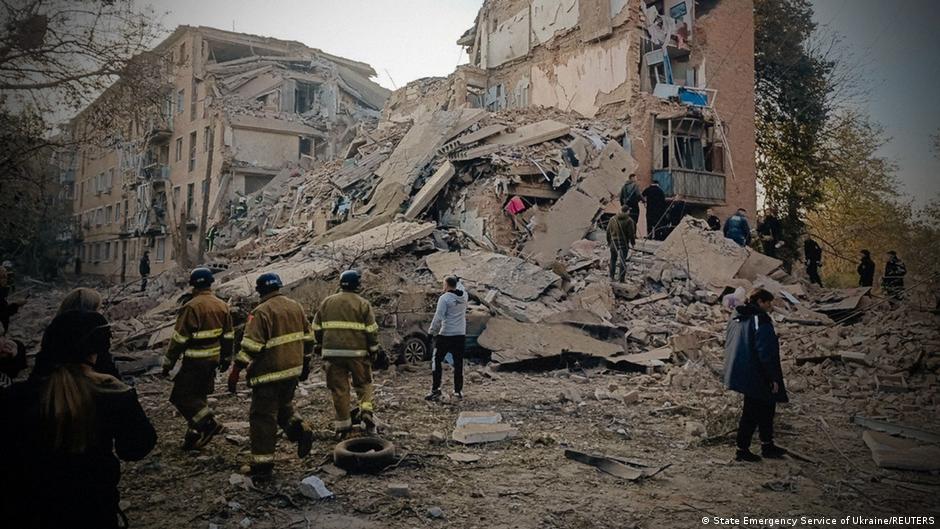
Ukraine said 28 people were killed after a large-scale Russian attack involving missiles and drones, a development likely to keep geopolitical risk firmly on the radar for markets monitoring energy flows, sanctions policy and European security exposure.
Interior Minister Ivan Vyhovsky said in a Telegram post on Wednesday evening, October 7, that 28 people had died in Ukraine as a result of the mass shelling by Russian forces. According to Vyhovsky, employees of the State Emergency Service and police were able to pull people from rubble, evacuate them from damaged buildings and rescue them from fire. In total, he said, 29 people were extracted, evacuated or saved.
The attack came as investors continue to assess how the war in Ukraine can affect European risk assets, regional infrastructure, defense spending expectations and commodities linked to Russian export revenues. While the source report did not provide market prices or trading volumes, the scale of the strike and the remarks from Ukrainian officials underscored the continuing importance of headline risk around the conflict.
Casualties Reported After Combined Strike
President Volodymyr Zelenskyy said in a Telegram post the same evening that 100 people were wounded in the attacks. He described the strike as combined, involving many ballistic missiles, many cruise missiles and Shahed drones. He also said new attacks followed during the day using Shahed drones and aerial bombs.
“The strike was combined: many ballistic missiles, many cruise missiles, Shaheds,” Zelenskyy said, according to the source text.
Zelenskyy linked the timing of the assault to Russian President Vladimir Putin’s birthday, describing it as a deadly “gift” and saying that children and civilians had been killed. The Ukrainian president also argued that Russia intended to continue moving toward escalation, killings and shelling, and said it was important that leaders not remain silent about what had happened.
For markets, such statements matter because they frame Kyiv’s diplomatic message toward Western governments at a time when sanctions, oil revenues and the durability of Russia’s war financing remain central to the economic dimension of the conflict. Zelenskyy said Putin did not feel that the war was creating problems for him, and he warned that any weakening of sanctions against Russia, or signals about lifting sanctions on oligarchs, could be read in Moscow as signs that the war was being normalized.
Zelenskyy said Putin could still sell oil and, when calculating profit in dollars and euros, the war continued to pay off and remained advantageous for him to conduct. The Ukrainian president described this not only as a problem for Ukraine and its people, but for everyone in Europe and the Western world.
Priluky Rescue Work Continues
One of the most severe impacts was reported in Priluky, in the Chernihiv region, where a missile hit a residential apartment building. Vyhovsky said debris clearance had been continuing for more than 14 hours in the city. According to his figures, 20 people were killed there, including five children, three of whom were one year old.
Zelenskyy also said in the same post that rubble clearance after the Russian missile strike on Priluky had continued throughout the day. The head of the Chernihiv regional military administration, Viacheslav Chaus, had earlier reported more than 50 people injured as a result of the attack.
The humanitarian toll in Priluky adds to the broader risk picture around Ukraine’s civilian infrastructure and regional stability. Residential damage, prolonged rescue operations and the use of missiles and drones across multiple regions all contribute to the kind of geopolitical uncertainty that traders often monitor closely, particularly when sanctions enforcement, energy exports and European policy responses are part of the wider narrative.
Thirteen Regions Targeted
Zelenskyy said Russian forces attacked 13 regions of Ukraine on October 7. According to him, Russia used 70 missiles, including many ballistic missiles, as well as Shahed drones. The source report did not specify the full list of affected regions, but it presented the attack as a broad, multi-region operation.
The reported use of ballistic missiles, cruise missiles, drones and aerial bombs points to a diversified strike pattern rather than a single localized event. For market participants, the immediate takeaway is not a specific price move from the source material, but the persistence of conflict-driven risk that can influence sentiment around Europe, defense-linked sectors, energy policy and sanctions-sensitive trade.
The comments from Ukrainian officials also place renewed emphasis on Russia’s oil revenues. Zelenskyy’s argument that war remains profitable as long as Russian oil can be sold in hard currency connects the battlefield event to a financial and sanctions debate watched by governments, commodity analysts and investors. Any discussion of easing sanctions, he suggested, sends signals to Moscow that the war can be normalized.
With 28 deaths reported, 100 injuries cited by Zelenskyy and 13 regions said to have been attacked, the October 7 barrage stands as another major escalation marker in the conflict’s daily flow of events. For markets, the episode reinforces that geopolitical shocks tied to Ukraine remain capable of reshaping risk appetite quickly, even when the immediate article source provides no direct trading data.