EU Commission Recommends Withholding €2M Funding from Venice Biennale over Russian Participation
The European Commission urges withdrawal of subsidies from the Venice Biennale due to Russia’s inclusion amid ongoing geopolitical tensions.
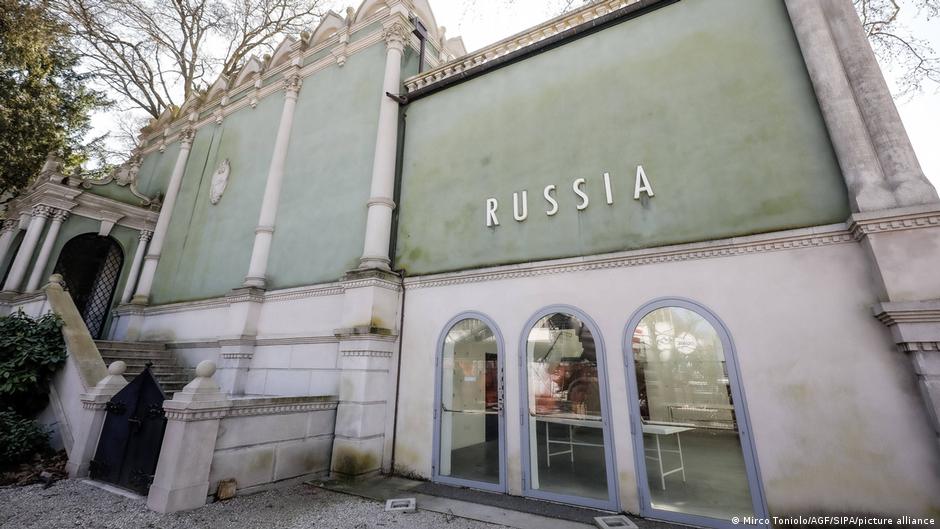
The European Commission has formally recommended that the European Education and Culture Executive Agency (EACEA) withdraw €2 million in funding from the Venice Biennale, citing Russia’s participation in the prestigious cultural event as the key reason.
Henna Virkkunen, Executive Vice-President of the European Commission for technological sovereignty, security and democracy, announced on July 11 that the decision followed a thorough review of the Biennale organizers’ justifications for reopening the Russian pavilion.
“Culture in Europe, funded by taxpayers’ money, must contribute to strengthening and protecting democratic values. These values are not respected in modern Russia,” Virkkunen stated on social media.
Geopolitical Concerns Drive Funding Controversy
Russia’s appearance at the Venice Biennale in 2026 marked its first participation since launching a full-scale invasion of Ukraine, sparking sharp criticism from Brussels and Kyiv alike. The Russian pavilion’s presence prompted protests, including demonstrations by activist groups such as Femen and Pussy Riot.
European External Action Service Head Josep Borrell had already voiced concerns, and on April 21, European foreign policy chief Kaja Kallas explicitly stated that the EU intended to cut funding to the Venice Biennale because of Russia’s return to the event.
In early May, the European Commission formally warned the Italian government and Biennale organizers that Russia’s participation violated EU sanctions. An official letter highlighted that the Russian pavilion is state-owned by Vladimir Putin’s government, implying that financing it indirectly supports the Kremlin economically.
Biennale President Pietrangelo Buttafuoco defended continuing to allow Russia’s involvement, emphasizing a commitment to freedom of expression despite the controversy.
This development underscores the delicate balance between cultural diplomacy and geopolitical realities, particularly in live market and political intelligence contexts where EU fund allocations signal broader strategic stances.