US Military Conducts New Strikes on Iran Amid Escalating Tensions in Strait of Hormuz
US forces target Iranian military assets to disrupt attacks on commercial shipping through the Strait of Hormuz.
In a sharp escalation of tensions in the strategic Strait of Hormuz, the US military launched a new series of strikes against Iranian targets aimed at undermining Tehran's ability to threaten commercial and civilian vessels passing through the critical waterway. The strikes follow a recent wave of Iranian attacks on Gulf countries in retaliation for earlier US military actions.
Renewed US Strikes Target Iranian Military Infrastructure
On the night of July 13, the US Central Command (CENTCOM) announced that it had carried out a fresh wave of strikes against Iranian military sites. The official objective, as stated by CENTCOM on social media platform X, is to continue degrading the Islamic Republic's capacity to attack "civilian mariners and commercial ships freely transiting the Strait of Hormuz." CENTCOM further emphasized that the strikes were ordered by the Commander-in-Chief to deter the Iranian regime from further aggressive actions.
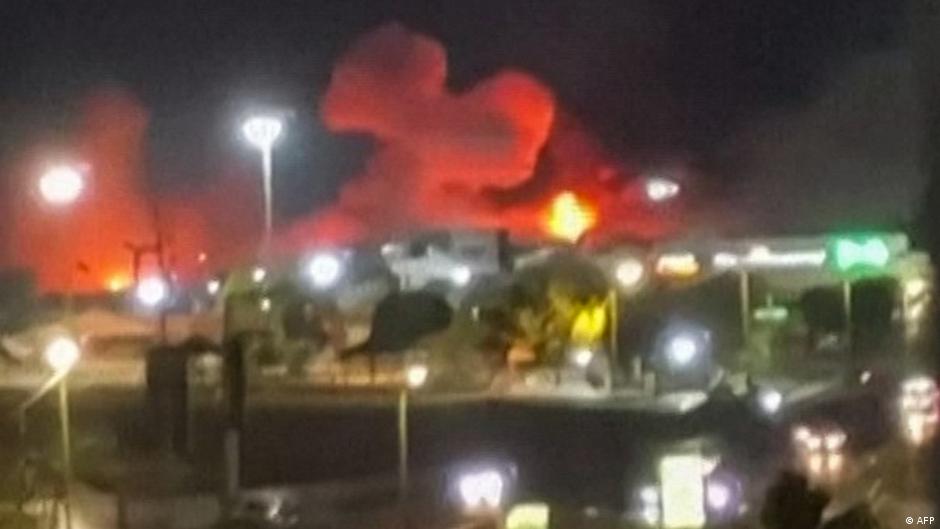
According to Iranian state media, explosions were reported near the port of Bandar Abbas in southwestern Iran, including locations west of Bandar Abbas, near the city of Sirik, on Qeshm Island, and in the city of Jask along the Strait. Pro-government news agency Mehr reported casualties including one fatality and two injuries on Qeshm Island.
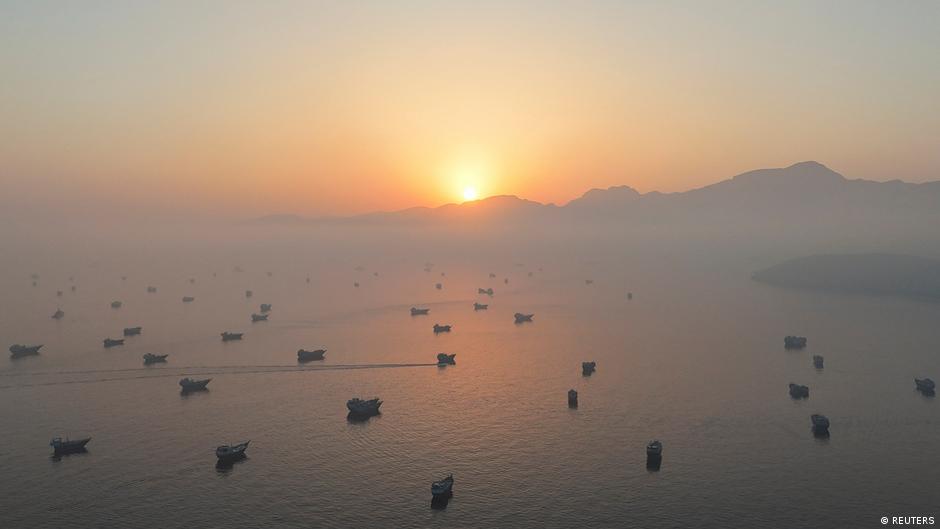
The Iranian Islamic Revolutionary Guard Corps (IRGC) responded by declaring the Strait of Hormuz closed "until further notice and until the end of US interventions in the region," highlighting the waterway's significance as a conduit for roughly 20 percent of global oil trade. However, CENTCOM disputed this claim, asserting that Iran does not control the strait and that maritime traffic continues unimpeded. US President Donald Trump echoed this stance on July 12, confirming uninterrupted navigation through the strait.
Cycle of Retaliatory Attacks Escalates Regional Instability
The recent US strikes come a day after the military reported targeting approximately 140 Iranian military sites, including missile and drone storage facilities and communication hubs. These attacks were prompted by IRGC aggression against the container ship GFS Galaxy within the Strait of Hormuz. Iranian officials claimed they fired warning shots because the vessel deviated from a Tehran-approved route.
Following the US strikes on July 12, Iran launched attacks on Gulf countries and Jordan, targeting American military facilities such as the Al-Udeid Air Base in Qatar and the port of Duqm in Oman, which Tehran alleges is used by US aircraft carriers.
On the same day, Iran also reported disabling a second vessel in the Strait, further intensifying concerns about maritime security in the region.
Background and Diplomatic Efforts
On June 17, the US and Iran signed a framework agreement aiming to cease hostilities and reopen the vital shipping route. However, from June 25 onwards, Iranian forces repeatedly attacked commercial vessels in the strait, prompting US retaliatory strikes. Both sides accuse each other of violating the ceasefire agreement.
President Trump declared the agreement void during the NATO summit in Ankara on July 8, labeling Iranian leaders as "evil, sick people" and dismissing direct negotiations as "a waste of time." While Trump ruled out talks with Tehran himself, he allowed his negotiators to continue dialogue if they wished. Concurrently, the US reinstated oil sanctions against Iran.
On July 11, confidential talks between Iranian officials and US representatives assigned blame for the escalating strikes on "uncontrolled elements within the system," indicating internal Iranian challenges to maintaining order. Despite these discussions, negotiations on the future management of the Strait of Hormuz concluded without breakthroughs.
"The US strikes are designed to degrade Iran's capacity to disrupt one of the world's most critical oil transit routes," said a regional security analyst. "Any further escalation risks destabilizing global energy markets."
The ongoing hostilities and military actions in and around the Strait of Hormuz continue to inject volatility into global energy supplies and trading patterns, underscoring the strategic importance of timely intelligence and market monitoring for energy and shipping sectors worldwide.