German President Steinmeier Urges Europe to Counter 'Ruthless' Russia and US Amid Political Shifts
Steinmeier calls on Europe to uphold international order and address rising far-right influence in upcoming regional elections.
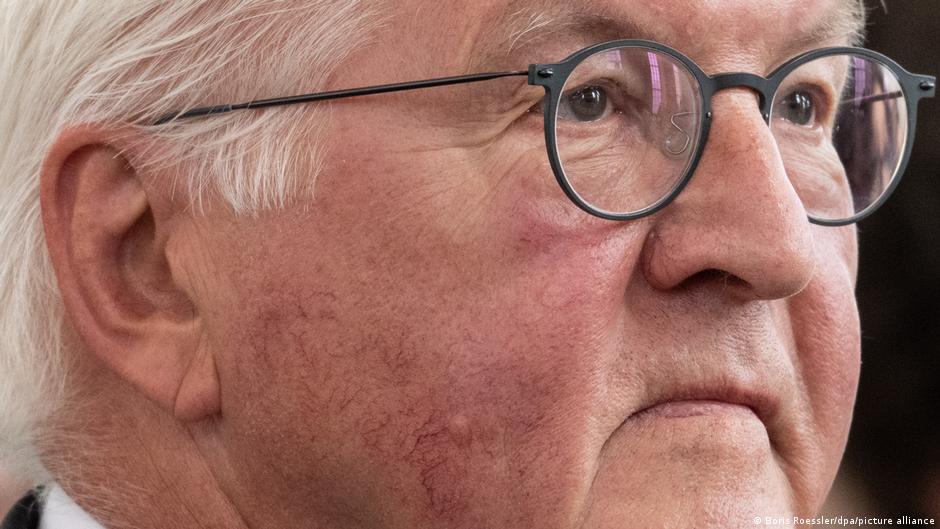
In a recent interview aired on July 12, German President Frank-Walter Steinmeier highlighted the increasing challenges Europe faces from what he described as a "new spirit of ruthlessness" promoted by Russia and the United States. Speaking to the German broadcaster ZDF, Steinmeier emphasized the need for Europe to respond decisively by defending its model of international order and rule of law.
Europe’s Response to Geopolitical Changes and Domestic Political Trends
Steinmeier identified two pivotal events marking a "double turning point" in the global landscape: Russia’s invasion of Ukraine and a subsequent shift in US values. He warned that despite Moscow and Washington potentially benefiting temporarily from operating outside established rules, Germany and Europe cannot adopt such behavior. "We need international order, we need laws and rules," Steinmeier asserted.
"We cannot behave like the great powers who live in a world without rules for some time. Europe must defend its model."
The president also advocated for a pragmatic approach toward the United States, deliberately avoiding direct mention of former President Donald Trump, signaling a nuanced stance in transatlantic relations amid ongoing geopolitical complexities.
Domestically, Steinmeier praised the extensive social reform package unveiled by Germany's ruling coalition led by Chancellor Friedrich Merz on July 2. He described these reforms as "something important," but stressed that their success depends largely on whether they can stimulate economic growth. Without economic improvement, he cautioned, the government risks losing public trust and respect.
Addressing the growing influence of the far-right Alternative for Germany (AfD), particularly in the eastern state of Saxony-Anhalt where September regional elections are forthcoming, Steinmeier urged vigilance. While cautioning that opinion polls are not election results, he expressed concern over the AfD’s polling lead and emphasized the center parties’ responsibility to prevent extremists from gaining absolute majorities.
Highlighting that voters in Saxony-Anhalt represent only 3% of Germany’s electorate, Steinmeier nonetheless called attention to the trend, especially as elections in Berlin and Mecklenburg-Western Pomerania will occur simultaneously. "These are three important state elections," he said, reminding voters of their role in preserving Germany’s democratic system.
Steinmeier’s remarks underscore the intertwined challenges of external geopolitical pressures and internal political shifts as Europe and Germany navigate a complex era marked by strategic uncertainty and rising populism.