US Covertly Assists Around 70 Vessels Through Strait of Hormuz Amid Iran Tensions
CENTCOM quietly facilitates commercial ship passages through the Iran-blockaded Strait of Hormuz, with most vessels sailing without active transponders.
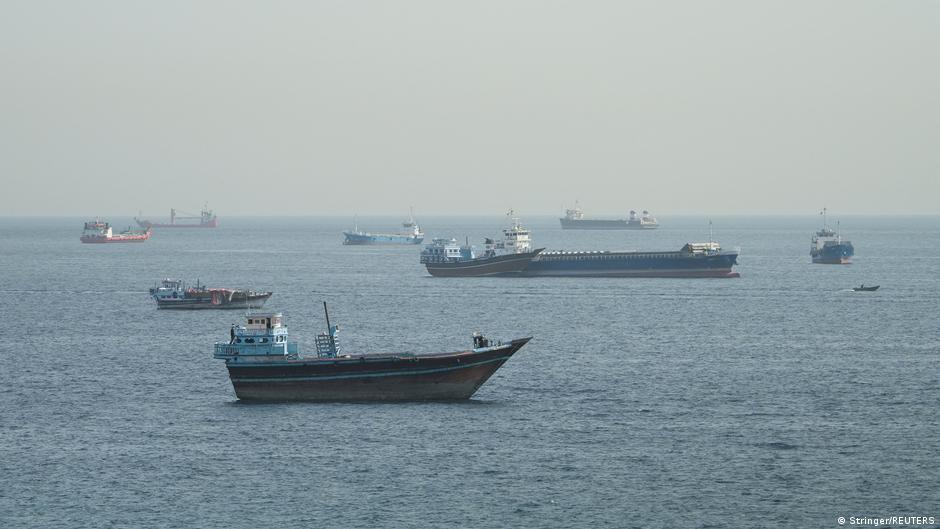
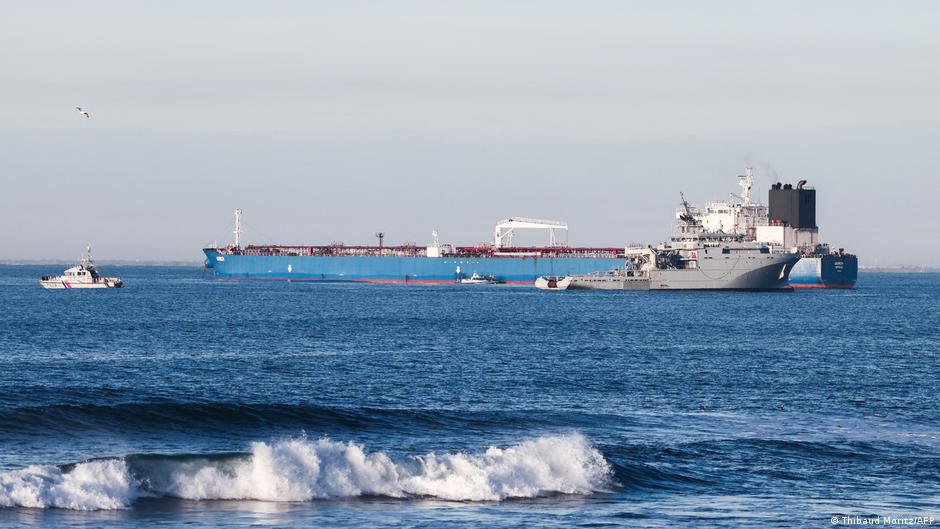
Over the past three weeks, the United States Central Command (CENTCOM) has covertly assisted approximately 70 commercial vessels in transiting the Strait of Hormuz, a critical maritime chokepoint currently blockaded by Iran. This information was reported by The New York Times on May 31, citing anonymous U.S. officials.
Quiet Passage Amid Heightened Maritime Risks
According to these sources, the majority of the vessels aided by U.S. forces navigated the strait with their transponders turned off, a measure to avoid detection and potential attacks. Officials refrained from disclosing specific times and routes but noted that at least one operation took place far from the Iranian coast to reduce the risk of hostile actions from Tehran. Such proximity, especially without authorization, could almost certainly provoke Iranian strikes.
"Operations are conducted away from Iran’s coastline to avoid strikes that are almost guaranteed if ships transit without permission," said a U.S. official.
Despite this covert support, the volume of U.S.-aided transits remains significantly lower compared to pre-conflict levels. Before Washington’s war with Tehran escalated on February 28, over 100 commercial vessels crossed the Strait of Hormuz daily. Presently, data from CENTCOM indicates only about three vessels make the transit each day.
While the U.S. assistance is known within maritime circles, authorities deliberately keep these operations discreet to prevent Iranian retaliation against targeted ships. Earlier in May, then-President Donald Trump paused the publicly announced "Operation Project Freedom," designed to facilitate safe passage through the strait. Subsequently, CENTCOM informally encouraged vessel transits without providing naval escorts.
Maritime Routes and Iran’s Influence
Still, most vessels opt to coordinate their transit with Iranian authorities. Maritime analytics firm Kpler reports that from March 1 to May 19, out of 895 recorded passages through the strait, just over half followed routes agreed upon by Iran. Approximately 40% utilized "unknown" or "dark" routes, involving disabled transponders to obscure their movements.
The ongoing blockade of the Strait of Hormuz by both the U.S. and Iran has persisted since April. Iran demands that shipowners coordinate passage through the waterway, while the U.S. prohibits tankers from docking at Iranian ports, further complicating maritime operations in the region.
Recent reports from Axios, citing two U.S. officials, indicate negotiators from both Washington and Tehran have reached a preliminary framework agreement aimed at resolving the conflict. However, President Trump has yet to endorse such a deal, reportedly insisting on fundamental conditions including Iran’s abandonment of nuclear weapon development plans.
Iranian leadership has also confirmed that no final agreement has been achieved to end hostilities between the two countries. The situation remains fluid, with maritime commerce through the strategic strait continuing under heightened risk and tight geopolitical controls.