U.S. Strike Disables Panama-Flagged Vessel as Hormuz Tanker Is Hit
CENTCOM said the M/V Ocean Molica was stopped after ignoring blockade warnings, while UKMTO reported a separate tanker fire in the Strait of Hormuz.
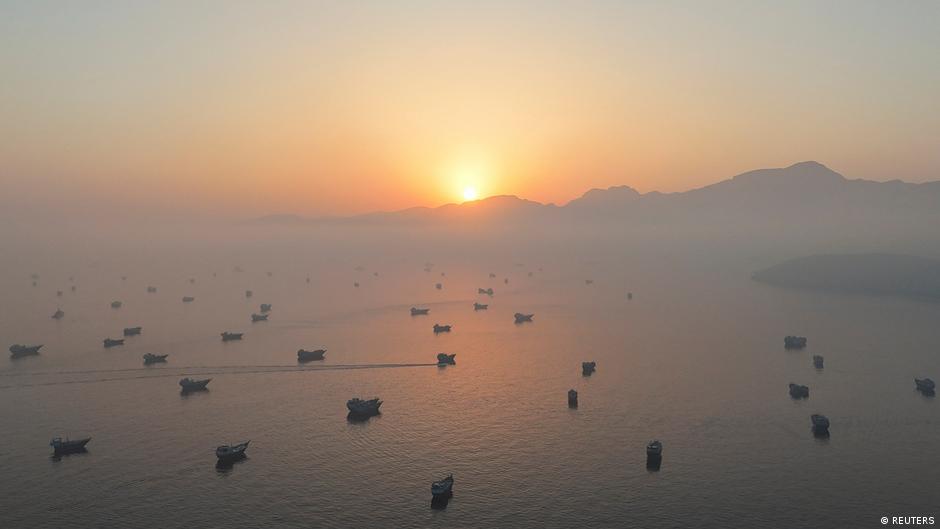
A U.S. Air Force fighter jet disabled a commercial cargo vessel in the Gulf of Oman on October 10, striking the stern of the Panama-flagged M/V Ocean Molica with a precision munition and knocking out its propulsion system, according to U.S. Central Command. CENTCOM said the crew was unharmed and that the vessel, also known as the Arika Sun, had previously departed an Iranian port.
The incident adds a fresh point of pressure for energy and shipping markets already tracking a volatile security backdrop around Iran, the Strait of Hormuz and the Gulf of Oman. For traders, the details matter: CENTCOM described the operation as an enforcement action tied to a renewed U.S. maritime blockade covering vessels entering or leaving Iranian ports. The command said the crew had ignored repeated warnings and attempted to break the blockade.
In a separate maritime security alert, the United Kingdom Maritime Trade Operations organization said a tanker in the Strait of Hormuz had again come under fire. According to the captain’s report cited by UKMTO, the vessel was hit on its port side by an unknown projectile, causing a fire. UKMTO said the crew was safe.
Blockade Enforcement Raises Shipping-Risk Premium
CENTCOM said U.S. forces resumed the American blockade on July 14 against all vessels traveling to or from Iranian ports. Over the three-month period since then, the command said four commercial vessels had been disabled and 135 ships had been forced to turn around and alter course. It also said U.S. forces had destroyed 10 tankers linked to the Islamic Revolutionary Guard Corps’ shadow network over the same period.
Those figures, if treated by markets as a sign of sustained enforcement rather than isolated escalation, are likely to keep attention on freight rates, insurance costs and the operational risk premium attached to Gulf transit. The Strait of Hormuz remains a critical chokepoint for global energy flows, and repeated incidents can quickly ripple into fuel pricing, refinery margins and broader inflation expectations.
“Crews are advised to heed blockade warnings,” CENTCOM said, according to the source report.
The latest U.S. strike was described as a disabling action rather than an attack on the crew. CENTCOM said the precision munition hit the stern of the M/V Ocean Molica and fully disabled the vessel’s propulsion system. No casualties among the crew were reported. The vessel was identified as a Panama-flagged commercial cargo ship.
Market participants are likely to parse the distinction between disabling commercial vessels and destroying tankers associated with the IRGC-linked shadow network. The former suggests direct pressure on maritime traffic connected to Iranian ports; the latter points to continuing efforts to disrupt networks that may be moving sanctioned or strategically sensitive cargoes. Both lines of activity can alter route planning and raise the cost of moving goods through the region.
Hormuz Incident Keeps Energy Traders on Alert
The UKMTO report of a tanker being struck in the Strait of Hormuz broadens the market relevance of the day’s events. The organization said the tanker was hit by an unknown shell on the port side, leading to a fire, while the crew remained safe. No additional details on cargo, vessel identity or trading route were included in the source material.
For oil, fuel and shipping desks, the absence of crew casualties does not remove the pricing significance. Fires, hull strikes and repeated attacks in or near Hormuz can affect vessel availability, insurance assessments and willingness among operators to accept voyages through the area. Even without a confirmed supply disruption, markets often respond to the probability of disruption when the geography is as sensitive as Hormuz.
The security backdrop also has a diplomatic dimension. On October 2, G7 leaders condemned continuing Iranian attacks on neighboring countries and actions they said violated international trade, energy security and the global economy. The group called for the immediate and full restoration of maritime rights and principles in the Strait of Hormuz and said it intended to strengthen collective efforts to achieve that goal.
That statement links the maritime incidents to a broader policy response from major industrial economies. For markets, the implication is that shipping security, sanctions enforcement and energy supply risk may remain intertwined. Investors watching sector rotation may therefore continue to see energy, shipping, defense and inflation-sensitive equities react to headline risk from the region.
Fuel prices have risen significantly in recent weeks against the backdrop of the war with Iran, according to the source report. The increase has added political pressure on Republicans roughly one month before the U.S. midterm elections for Congress, where recent polls cited in the report show their popularity among voters has declined.
That domestic political channel matters for market intelligence because fuel prices can feed directly into consumer sentiment, inflation expectations and campaign pressure over energy policy. If maritime disruption in the Gulf continues to support higher fuel prices, the market impact may extend beyond crude benchmarks into transportation costs, retail spending and the political risk premium embedded in U.S. assets.
For now, the immediate market signal is a renewed reminder that the Gulf of Oman and Strait of Hormuz remain active flashpoints. The U.S. strike on the M/V Ocean Molica, CENTCOM’s three-month blockade enforcement tally, and the separate tanker fire reported by UKMTO together suggest that maritime risk around Iran is not fading from the trading screen. Until routes stabilize and warnings are consistently observed, energy and shipping markets are likely to keep a heightened premium on regional headlines.