Zelenskyy Says U.S.-Russia Diesel Deal Risks Funding Moscow's War
Ukraine's president criticized a temporary U.S. license allowing Russian diesel supplies, warning that eased sanctions could prolong the war.
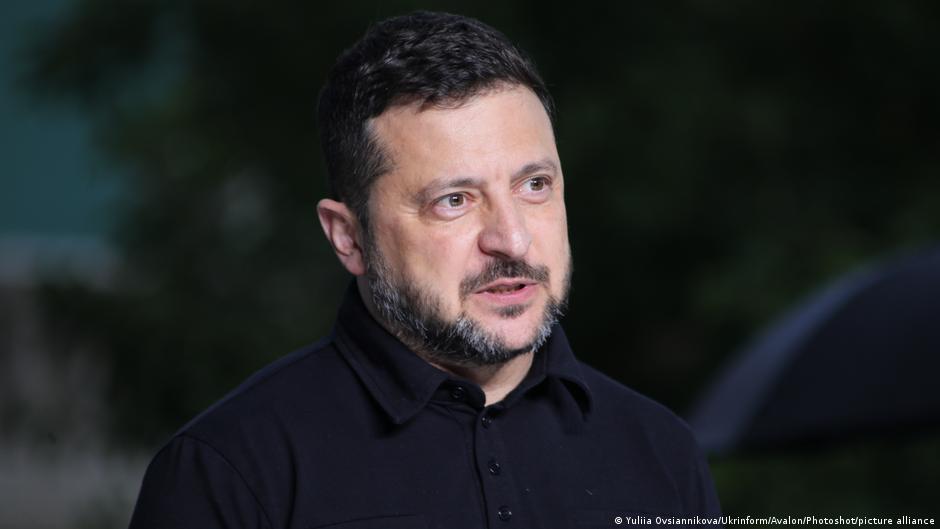
Ukrainian President Volodymyr Zelenskyy sharply criticized a U.S.-Russia arrangement that would allow Russian diesel fuel back onto global markets, calling the decision by the White House an “investment in war” and warning that Moscow would respond with more attacks rather than de-escalation.
The comments came Friday, October 9, after U.S. President Donald Trump described talks with Russian President Vladimir Putin as “very successful” and said the two sides had reached an understanding on supplies of Russian diesel to the United States and the wider global market. The move immediately put energy traders, sanctions watchers and policymakers on alert, as Russian refined products remain closely tied to both wartime financing and global fuel balances.
According to the Ukrainian leader, any decision that permits Russia to sell oil products without a clear de-escalation agreement risks strengthening Moscow’s ability to continue the war. Zelenskyy framed the measure not as a technical fuel-market adjustment, but as a geopolitical concession with direct security consequences.
“Permission for Russia to sell petroleum products is an investment in a war that must be ended, not continued,” Zelenskyy said.
Diesel Supply Signal Hits a Sensitive Market
The market significance of the announcement centers on diesel, a fuel used across freight, agriculture, mining and industrial supply chains. Even limited changes in Russian export availability can affect regional spreads, shipping flows and expectations for refined-product supply, especially when traders are already watching sanctions policy and war-related energy infrastructure risks.
The U.S. Treasury Department said the Office of Foreign Assets Control, acting on Trump’s order, would immediately issue a temporary general license authorizing shipments of Russian diesel fuel to the global market. The temporary nature of the license leaves open questions about duration, counterparties, compliance conditions and how quickly barrels can be redirected into trade flows.
Russia moved quickly to present the decision as actionable. Deputy Prime Minister Alexander Novak told TASS that Russia was “immediately” beginning to lift diesel export restrictions ahead of the previously planned schedule. He also confirmed Trump’s statement that Russian diesel exports could eventually reach 3 million tonnes per month.
For markets, that figure is the key volume marker in the source account. If achieved, it would represent a material flow for traders tracking product availability, refining margins and regional diesel balances. But the pace of any ramp-up would depend on logistics, buyers’ willingness to engage, shipping constraints and sanctions-compliance risk.
Kyiv Warns Against Sanctions Easing Without De-Escalation
Zelenskyy argued that Russia would not repay concessions with peace. He said Moscow would “thank” others for diesel access with further “terror” and “meanness,” using language that linked fuel revenues directly to the continuation of military attacks.
The Ukrainian president also said Kyiv is ready for reciprocal de-escalation steps and urged Washington to increase pressure on Russia in pursuit of a ceasefire. He proposed a specific understanding built around energy infrastructure: Ukraine would refrain from burning Russian oil refining capacity if Russia stopped destroying Ukrainian energy facilities.
“Ukraine will not burn Russian oil refining if Russia does not destroy our energy sector,” Zelenskyy said, adding that Kyiv was proposing such an arrangement to the United States and believed Washington had enough power to secure that compromise.
That proposal underscores how energy markets and battlefield strategy have become intertwined. Russian refining capacity, Ukrainian power infrastructure and international sanctions policy are all part of the same risk map for traders. Any escalation or restraint around energy assets can influence expectations for fuel supply, insurance costs, freight routes and regional price volatility.
Zelenskyy said any weakening of sanctions against Russia without a clear de-escalation deal would be an obvious sign of weakness and would play into Moscow’s hands by enabling it “to kill more” and “fight longer.” His criticism puts Ukraine at odds with the White House’s stated rationale for the arrangement, which Trump presented as the result of successful talks with Putin.
The sequence of events created an immediate policy signal: Washington is prepared, at least temporarily, to permit Russian diesel flows under a general license, while Kyiv is warning that such access should be tied to a verifiable reduction in attacks. For market participants, the disagreement raises the prospect of further volatility around sanctions guidance, product flows and political risk premiums in refined fuels.
The immediate trading implications are likely to depend on how broadly the OFAC license is interpreted and how quickly Russian exporters can restore or expand shipments. Buyers may also weigh reputational and regulatory exposure, even where a temporary license provides formal authorization. The announcement is therefore not only a potential supply event, but also a compliance and headline-risk event.
Novak’s statement that Russia is lifting restrictions earlier than planned indicates Moscow intends to move quickly. Zelenskyy’s response signals that Ukraine will continue to press for any energy-market relief to be conditioned on de-escalation. The result is a fresh pressure point in the wartime energy trade, with diesel volumes, sanctions policy and ceasefire diplomacy now moving on the same screen.