US Military Launches Strikes on Iranian Targets Amid Rising Gulf Tensions
US forces conduct multiple airstrikes on Iranian infrastructure and military sites; Tehran retaliates with attacks on US bases in Bahrain and Kuwait.
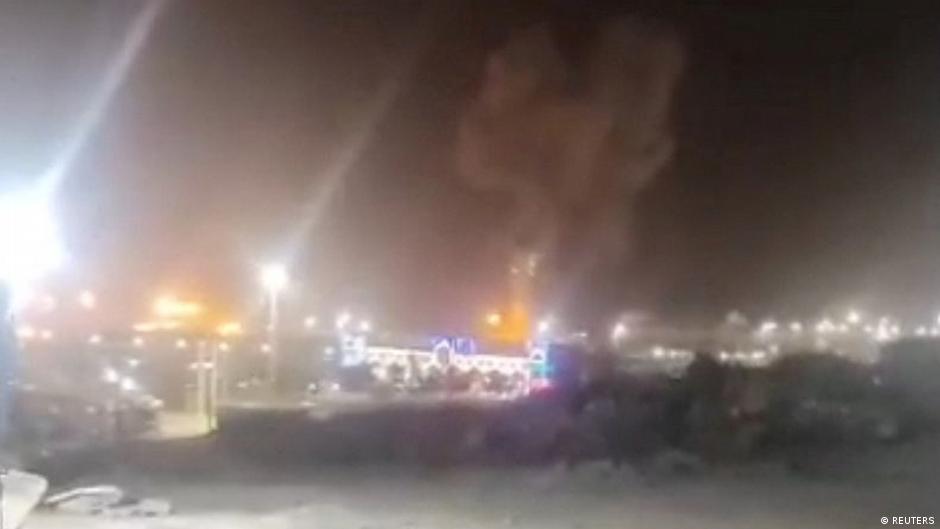
The US military executed two waves of airstrikes targeting Iranian military and infrastructure assets on July 16, escalating tensions in the Persian Gulf region. These operations followed the recent resumption of a naval blockade aimed at restricting maritime traffic to and from Iranian ports.
Details of the US Airstrikes
According to the US Central Command (CENTCOM), the first wave focused on port facilities in the port city of Sirik along the strategic Strait of Hormuz. Additional air raids targeted the major port of Bandar Abbas, with Iran’s Mehr news agency reporting three separate attacks. On Qeshm Island, a facility producing fishmeal sustained partial damage, further disrupting local industry.
Iranian sources also reported strikes on targets in Ahvaz city within Khuzestan province, as well as explosions in Rasak and Kenarak ports in the southeastern provinces of Sistan and Baluchestan.
The second wave of strikes aimed to further diminish Iran’s ability to threaten commercial maritime operations. CENTCOM reported attacks on Iranian command centers, air defense systems, missile and drone installations, and coastal surveillance outposts.
"These operations are intended to degrade Iran's capacity to endanger commercial shipping in the region," a CENTCOM official stated.
No civilian casualties have been reported thus far.
Naval Blockade Enforcement and Retaliation
US forces also targeted an unmanned oil tanker, the M/T Belma, flagged by Curaçao, attempting to breach the naval blockade by heading toward Iran’s Harg Island. After ignoring warnings, the vessel was disabled by a US military aircraft firing Hellfire missiles into its exhaust funnel.
The blockade was reinstated on July 14, and within 24 hours, CENTCOM diverted two commercial vessels and used force against one, underlining a firm stance on maritime control.
In response, Iranian forces launched attacks on US military bases in Bahrain and Kuwait. Iranian media reported at least ten explosions at the US Navy’s Fifth Fleet headquarters in Bahrain and additional blasts at a US base in Kuwait. These actions prompted Saudi Arabia and Jordan to partially close their airspace.
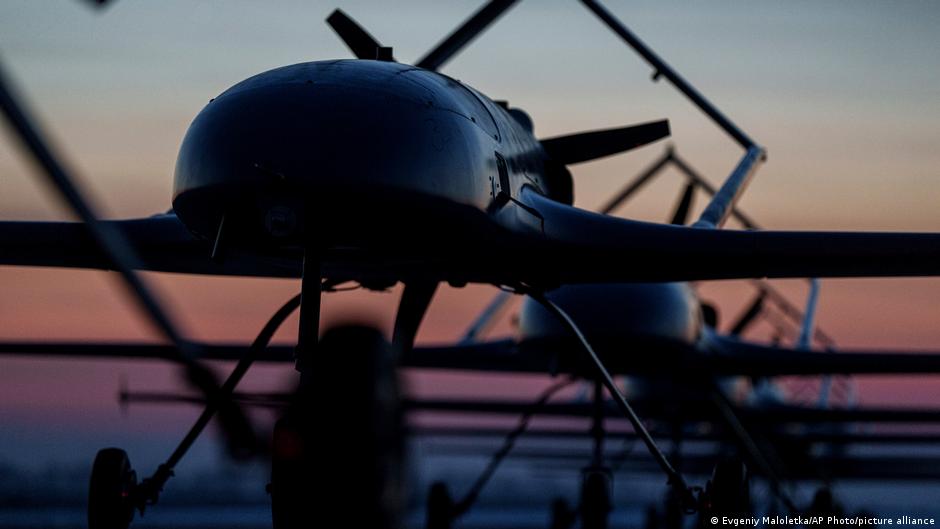
Iran’s Islamic Revolutionary Guard Corps (IRGC) air defenses claimed to have shot down a US MQ-9 drone during these exchanges.
US Political Response and Outlook
Amid the heightened military activity, US Vice President J.D. Vance commented on the complex situation, acknowledging challenges ahead but indicating the overall approach is productive.
"I don't know exactly where this will lead, but fundamentally, I believe we are moving in the right direction," Vance said during a podcast appearance. "The process will be difficult, with many pauses and resumptions."
He emphasized that the US is applying both economic pressure and engaging in dialogue with more pragmatic elements of Iran’s leadership, reflecting a multi-faceted strategy amid ongoing geopolitical tensions.