US Forces Shoot Down Four Iranian Drones Threatening Maritime Security in Strait of Hormuz
CENTCOM intercepts Iranian kamikaze drones and strikes radar stations amid rising Gulf tensions and regional attacks.
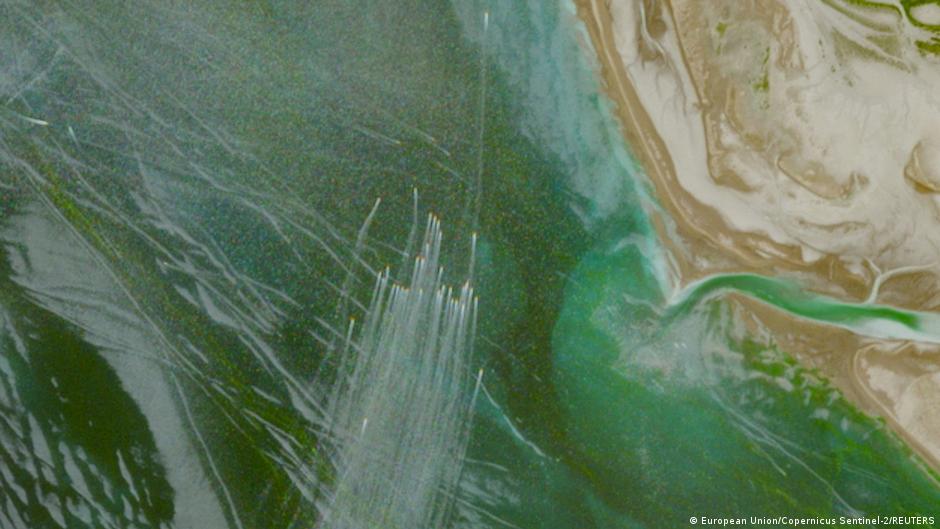
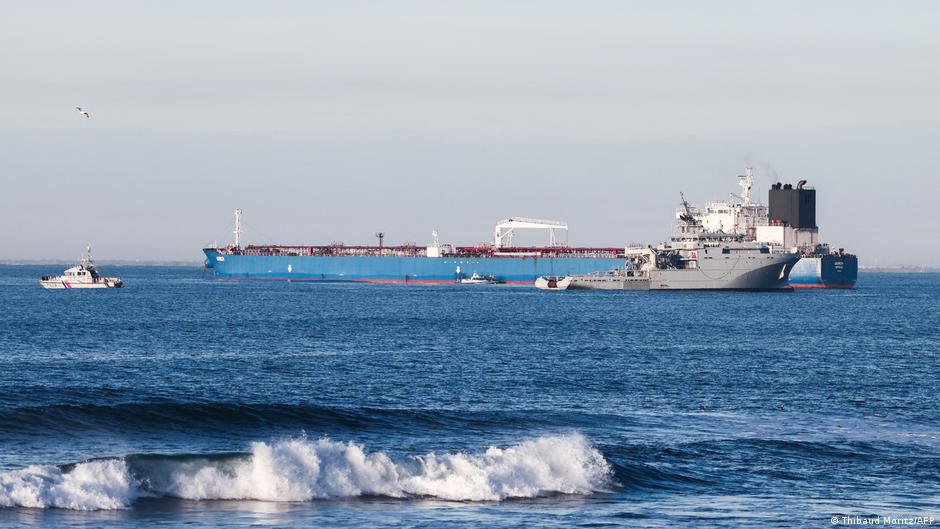
The US Central Command (CENTCOM) announced on June 6 that it had shot down four Iranian kamikaze drones heading towards the Strait of Hormuz, citing an immediate threat to maritime navigation in the strategic waterway.
Escalating Military Encounters in the Persian Gulf
According to CENTCOM's statement on the social media platform X, the unmanned aerial vehicles posed a direct danger to commercial and military vessels operating in the region, prompting the US forces to take decisive action.
"These drones represented an imminent threat to maritime traffic in the area," the command stated.
Following the drone interceptions, US military forces targeted Iranian coastal radar stations located in Goruk and on the island of Qeshm within the Strait of Hormuz. CENTCOM described the strikes as preventive measures aimed at deterring further attacks.
US forces reiterated their vigilance and readiness to respond defensively to any unjustified aggression from Iran, underscoring the fragile security dynamics in the region.
Meanwhile, Kuwait reported new hostile missile and drone attacks on its territory. The Kuwaiti army confirmed that its air defense systems were actively intercepting these attacks. Witnesses heard explosions, attributed to these defensive operations.
This recent military activity follows one of the most significant clashes between the United States and Iran since a ceasefire agreement took effect on April 8.
On the night of June 3, Iran's Islamic Revolutionary Guard Corps (IRGC) launched ballistic missiles and drones targeting neighboring Gulf states Kuwait and Bahrain, with US military bases as the primary targets.
In response, US forces struck an Iranian military installation on Qeshm Island in the Strait of Hormuz. CENTCOM reported successful interceptions of multiple ballistic missiles and drones, including the downing of three Iranian drones launched against civilian ships legally transiting regional waters. The command also refuted IRGC claims of hitting a US naval base in Bahrain.
These exchanges mark repeated confrontations despite the ceasefire, heightening fears of a renewed conflict escalation.
The clashes occur amid stalled negotiations on a framework agreement intended to end hostilities and reopen the Strait of Hormuz, a critical artery for global energy trade, through which oil, liquefied natural gas, and fertilizers are exported worldwide.
Separately, on June 1, US President Donald Trump announced the cessation of hostilities in Lebanon. Political talks between Israeli and Lebanese representatives were scheduled to resume in Washington on June 3. However, the Hezbollah militant group refuses to engage in negotiations with Israel, and the Lebanese government is not a conflict party.