Russian Missile and Drone Strikes Hit Kyiv as Markets Watch War Risk
Kyiv reported residential, educational, industrial and logistics damage after overnight Russian strikes, adding fresh geopolitical risk for markets.
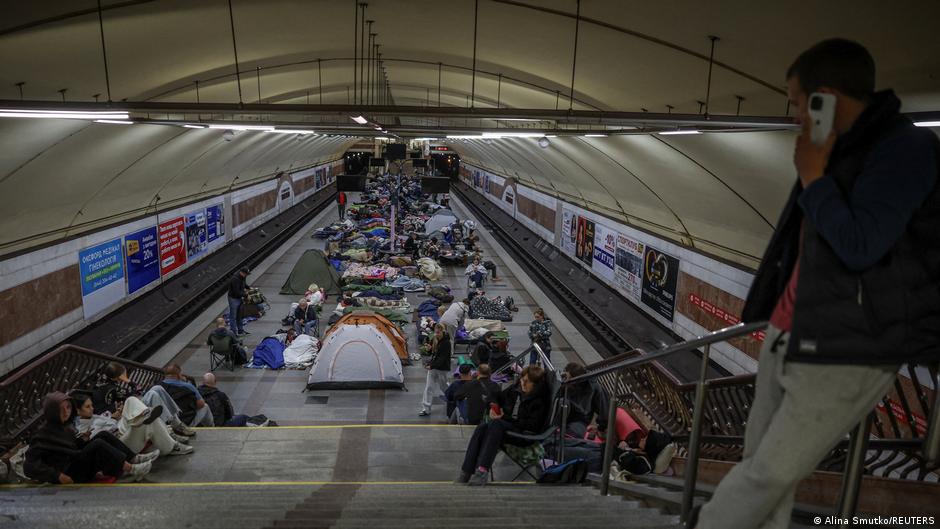
Russian forces launched overnight strikes on Kyiv using drones and ballistic missiles, according to the Kyiv City Military Administration, creating a fresh geopolitical risk marker for investors tracking the war’s impact on regional stability, logistics infrastructure and risk-sensitive assets.
The attacks were reported during the night of September 8 and affected multiple districts of the Ukrainian capital. Kyiv Mayor Vitali Klitschko said a fire broke out on the grounds of an educational institution in the Holosiivskyi district after the strike. In the Solomianskyi district, debris was recorded falling onto a five-story residential building, while another three-story residential building was also damaged at a separate location, according to the city military administration.
The administration also reported a fire in a warehouse facility. Klitschko said medical teams had been dispatched to the Solomianskyi district. Preliminary information indicated that six people were injured as a result of the shelling.
Infrastructure and Logistics Damage Draw Market Attention
For markets, the immediate relevance lies less in a single tactical strike than in the wider pattern of attacks on urban, industrial and logistics-linked assets. The Kyiv City Military Administration said that in the Darnytskyi district a vehicle was damaged after debris fell. Klitschko reported fires in nonresidential areas in the Podilskyi and Darnytskyi districts, while the city administration specified that garages and vehicles were burning.
Late on September 7, Russian forces also carried out drone strikes on the Boryspil and Fastiv districts of the Kyiv region, Ukraine’s State Emergency Service said on Telegram. In the Boryspil district, fires broke out at industrial enterprises. At one of the sites, the fire destroyed seven trucks. The emergency service also said that the building of one logistics complex was attacked twice. Rescuers arrived quickly and extinguished the fires.
The reported damage to warehouses, industrial enterprises, trucks and a logistics complex is likely to be closely watched by traders and analysts focused on supply-chain risk in and around Ukraine. The Kyiv region is a key area for transport, distribution and access to the capital. Any repeated targeting of logistics facilities can influence market perceptions of disruption risk, even when the source reports do not provide direct estimates of economic losses, shipping delays or commodity-flow impacts.
Market participants often treat strikes around Kyiv as headline-sensitive events because they can shift demand for safe-haven assets, affect regional currency sentiment and influence expectations around energy, defense and reconstruction-linked sectors. The source information did not include market prices, trading volumes or direct sector moves, but the timing and breadth of the strikes create a fresh input for real-time risk monitoring.
Kyiv officials reported fires, debris impacts and damage across residential, educational, industrial and logistics sites after overnight Russian attacks.
Residential Areas Also Hit
The strikes were not limited to commercial or industrial facilities. In Solomianskyi, debris hit a five-story residential building, and a separate three-story residential building was damaged elsewhere, according to the Kyiv City Military Administration. Klitschko said that, according to preliminary data, people were blocked inside a residential building in the Holosiivskyi district.
The mayor also said that a fire had broken out on the territory of an educational institution in Holosiivskyi. These details underline the mixed civilian and infrastructure footprint of the attacks, a factor that can raise the perceived political and humanitarian stakes around any subsequent diplomatic or military response.
In Darnytskyi, authorities reported a damaged car after falling debris. In Podilskyi and Darnytskyi, fires broke out in nonresidential zones, with garages and vehicles burning, according to the accounts from Klitschko and the city military administration.
For investors, such district-level reporting can matter because it helps frame the scale and distribution of damage inside the capital. A concentrated strike on a single military target may carry a different market signal than a wave of drone and ballistic missile attacks that produces damage across residential, educational, storage, transport and industrial locations.
Diplomatic Context Remains in Focus
The strikes came shortly after U.S. President Donald Trump’s special representatives, Steve Witkoff and Jared Kushner, left Kyiv during the night of September 7, according to the source report. Following their meeting, Ukrainian President Volodymyr Zelensky said Ukraine was ready for trilateral talks in a Ukraine-U.S.-Russia format.
Moscow also did not rule out the possibility of resuming a trilateral negotiation format, though Kremlin spokesman Dmitry Peskov said it was still premature to discuss the place and timing of such talks.
That diplomatic backdrop gives the latest strikes additional market relevance. Investors are likely to weigh the reported readiness for talks against the continuing use of drones and ballistic missiles around Kyiv. In market terms, the competing signals are familiar: any pathway toward negotiations can reduce perceived geopolitical risk, while fresh attacks on the capital and regional logistics infrastructure can quickly reprice the same risk higher.
There were no immediate figures in the source report on total property losses, the duration of operational disruption at the industrial enterprises, or the status of the attacked logistics complex after emergency crews extinguished the fires. The available details nevertheless point to a broad overnight incident with potential implications for risk sentiment and Ukraine-exposed logistics, transport and insurance assessments.
For real-time market desks, the key watch items are further official casualty updates, confirmation of whether people remained trapped in residential buildings, any follow-up reports on the affected logistics complex, and whether the diplomatic channel referenced by Kyiv and Moscow moves beyond statements of readiness. Until then, the attacks add another live geopolitical headline to a market already sensitive to war-related shocks.