US Threatens to Impose Fees for Passage Through Strait of Hormuz Amid Iran Deal Uncertainty
President Trump warns of new charges for Strait of Hormuz transit if US-Iran agreement fails, signaling potential shifts in Middle East maritime trade dynamics.
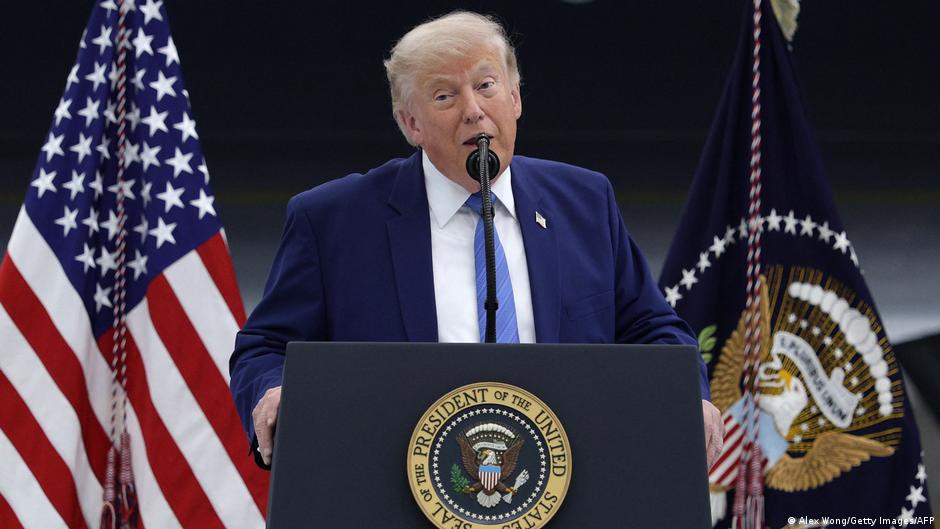
The United States has signaled a potential new strategy impacting global oil shipping routes by threatening to impose fees for vessels transiting the strategically vital Strait of Hormuz if the ongoing deal with Iran collapses. This announcement came directly from President Donald Trump via his social media platform on June 20.
President Trump described the United States as the "guardian angel" of Middle Eastern countries, emphasizing that these fees would serve as compensation for the security services Washington provides to the region. However, he clarified that during the 60-day ceasefire period agreed upon with Iran, no such fees would be collected. The fee regime would continue only if the terms of the truce are violated following this period.
Impact on Trade Flows and Regional Stability
The Strait of Hormuz is a critical chokepoint for global oil shipments, with recent volumes reflecting heightened geopolitical tensions. On June 18, the US Central Command (CENTCOM) announced the lifting of a blockade in the strait, as per President Trump's directive. Vice President James David Vance highlighted that in a 24-hour period, vessels carrying a record 12.5 million barrels of oil passed through the strait—the highest since the outbreak of hostilities between the US, Israel, and Iran in late February.
"For two consecutive nights, Iranian forces refrained from attacking any vessels," Vance noted, indicating a temporary stabilization in maritime security.
However, the situation remains volatile. On June 20, Iran declared a new ban on vessel passage through the Strait of Hormuz. This move was a direct response to recent Israeli military strikes in southern Lebanon, which Tehran interprets as a violation of the ceasefire agreement signed on June 17. The memorandum called for a cessation of all military actions across multiple fronts, including Lebanon.
"Should aggression continue, further measures will be taken to compel the adversary to honor its commitments," stated Iran's military command, as reported by Mehr news agency.
In the brief window since the ceasefire's inception, between 60 and 80 vessels have transited the strait. For comparison, peaceful periods typically see around 100 ships daily, underscoring the tentative improvement but ongoing uncertainty in maritime traffic.
Market Implications
The prospect of imposed fees on passage through the Strait of Hormuz could have significant ramifications for global energy markets. Traders and market participants should monitor developments closely, as any disruption or added cost in this key shipping lane may prompt sector rotation within energy stocks and influence crude oil prices worldwide.
Given the strait's role as a conduit for approximately a third of the world's liquefied petroleum and oil shipments, changes in transit policies by the US or retaliatory actions by Iran will likely trigger swift market reactions, including increased volatility and shifts in trading volumes.