US Conducts Ninth Consecutive Night of Strikes on Iran Amid Rising Middle East Tensions
US military continues nightly attacks on Iranian targets, while Iran retaliates by striking US bases in Kuwait and Bahrain.
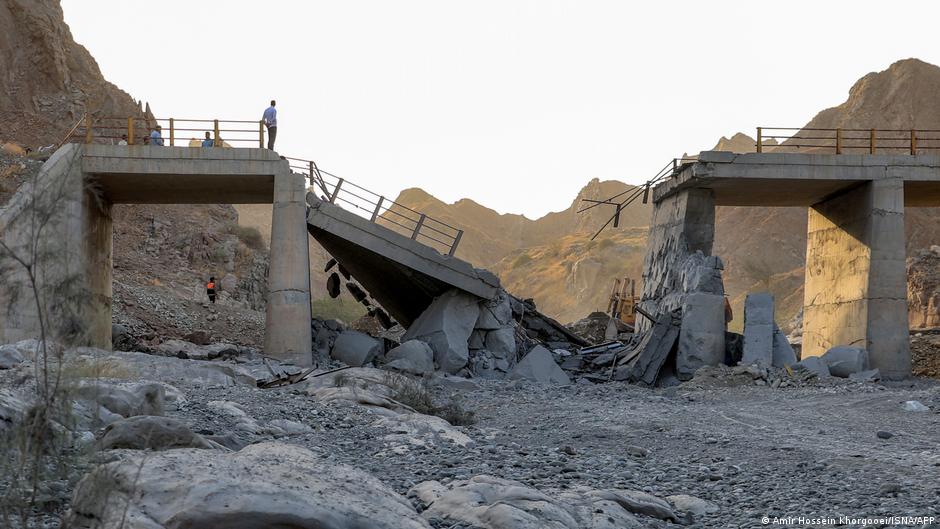
The United States military carried out airstrikes against targets in Iran for the ninth consecutive night following the collapse of a ceasefire between Tehran and Washington. In response, Iran launched attacks on American military installations in Kuwait and Bahrain, escalating tensions in the volatile Middle East region.
Ongoing Military Escalation and Strategic Impact
On July 20th, US Central Command (CENTCOM) reported that the latest wave of attacks began at 2:30 a.m. local Iranian time. These strikes aim to further degrade Iran's military capabilities, which the US asserts have been used to conduct attacks on commercial vessels and civilian mariners in the strategically critical Strait of Hormuz.
"Tonight we delivered another very serious strike," said the US President, referring to the operations as a tribute to fallen American soldiers.
President Donald Trump, returning to Washington after attending the FIFA World Cup final, described the strikes as a direct response to the deaths of US service members during the conflict with Iran. Since the recent escalation, CENTCOM confirmed the loss of three additional American soldiers, bringing the total US military fatalities in this conflict to 17.
Iranian forces, particularly the Islamic Revolutionary Guard Corps (IRGC), reported on the night of July 20 that they detained two oil tankers in the Strait of Hormuz for allegedly attempting to illegally enter or exit via southern routes. Iranian state media reported that the vessels subsequently exploded. This development has contributed to a significant reduction in shipping traffic through the strait over the weekend. According to the London Stock Exchange data, only four ships passed through on July 19, down from eight on July 18.
Despite these disruptions, S&P Global noted that liquefied natural gas (LNG) production in Qatar and the United Arab Emirates remains relatively stable. This stability has led to increased LNG volumes being held on tankers awaiting passage in the Persian Gulf, with current estimates indicating about 1.9 million tons of LNG are onboard vessels in the area.
The persistent military confrontations and their impacts on maritime traffic through the Strait of Hormuz continue to warrant close monitoring due to the region's importance for global energy supplies and trade routes.