US Gas Proposal Puts Russian Supply Back on Europe’s Market Radar
A reported US peace proposal linking Russian pipeline gas to an Ukraine settlement could reshape Europe’s energy trade and policy outlook.
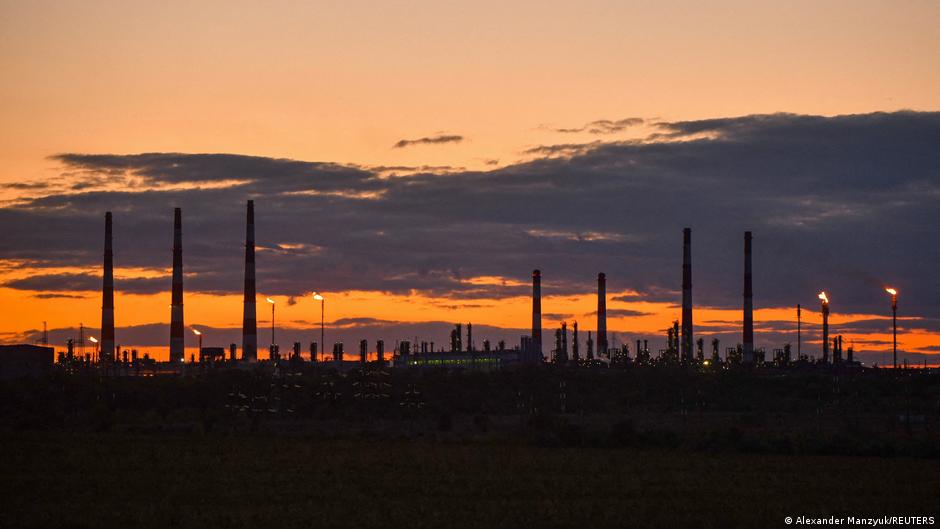
A reported US proposal to revive large-scale Russian pipeline gas sales to Europe as part of an agreement to end the war in Ukraine has put a potentially significant energy-market shift on traders’ radar, although European skepticism and existing EU law present major obstacles.
The New York Times reported on Saturday, October 17, citing sources, that US presidential envoys Steve Witkoff and Jared Kushner raised the initiative during negotiations with representatives of Ukraine and the European Union. The proposal was also discussed with Ukrainian President Volodymyr Zelensky during a meeting in Kyiv in September, according to the newspaper.
Under Washington’s concept, renewed European purchases of substantial volumes of Russian pipeline gas would provide Moscow with an economic incentive to end the war. For energy markets, the report introduces the possibility of another major change in European supply flows after several years in which Russian gas sharply lost market share.
European gas policy collides with the US proposal
The proposal appears to conflict directly with the European Union’s current policy trajectory. In January 2026, the bloc agreed to phase out all Russian pipeline gas and liquefied natural gas by November 1, 2027. The adopted legislation also prohibits the signing of new gas contracts with Russia.
European delegates responded skeptically to the US initiative, the Times reported. Günter Sautter, German Chancellor Friedrich Merz’s closest security adviser, was among those who strongly criticized the idea. Some European and Ukrainian officials also expect the United States to seek a share of Russian gas-export business, according to the newspaper’s sources.
The scale of Europe’s shift away from Russian supply illustrates what would be at stake. Russia accounted for 45% of EU gas imports in 2021, before the full-scale war began in February 2022. Its share fell to approximately 19% in 2024 and then to 13% in 2025.
A reversal would therefore carry implications across the European energy complex, potentially altering expectations for pipeline imports, liquefied natural gas demand and regional infrastructure use. However, the report did not identify proposed volumes, contract terms, a timetable or a mechanism for reconciling renewed purchases with the EU’s phaseout law.
Nord Stream discussions add an infrastructure dimension
US officials also discussed restarting Nord Stream with the Russian side, sources told the Times. The trunk pipeline connecting Russia and Germany across the Baltic Sea has been out of operation since August 2022 following an explosion.
Reuters had reported in early October, citing five sources, that such discussions had taken place. One Times source said the Trump administration considers restarting Nord Stream an “easy task” if a peace agreement is reached.
The White House denied to journalists that discussions about Nord Stream had occurred. It nevertheless said that any agreement concerning the issue would require close coordination with European partners within the framework of a comprehensive peace settlement.
“Any agreement concerning this issue would require close coordination with our European partners within the framework of a comprehensive peace agreement,” the White House said.
The conflicting accounts leave the project’s status uncertain. Any prospective restart would sit at the intersection of diplomacy, EU energy legislation, damaged infrastructure and European security policy. Those constraints make the report a market-sensitive political signal rather than confirmation that Russian pipeline volumes are about to return.
Ukraine transit revenues remain part of the equation
Ukraine stopped the transit of Russian pipeline gas to Europe on January 1, 2025, after declining to extend an expired contract with Gazprom. The decision closed a longstanding route for Russian gas deliveries to European customers.
According to the Times, Kyiv consequently loses about €900 million in transit fees each year. Any peace proposal involving renewed Russian flows would therefore also raise questions over possible transit routes, Ukraine’s role and the distribution of revenues. The reported plan does not specify whether Ukrainian infrastructure would be used or whether supplies would move through alternative corridors.
For market participants, the immediate focus is likely to remain on whether the proposal gains political support in Europe and whether EU institutions would consider changing legislation already designed to eliminate Russian gas imports. The answers would determine whether the initiative can affect physical supply or remains a negotiating concept.
The report nevertheless adds a new variable to Europe’s gas outlook. A credible path toward renewed Russian pipeline deliveries could reshape assumptions about future supply competition and infrastructure utilization, while rejection by EU governments would reinforce the bloc’s existing move away from Russian energy. Until negotiators disclose concrete volumes, routes and legal arrangements, the proposal’s market impact remains conditional on a broader peace agreement.