Russian Strikes Hit Ukrainian Energy and Automotive Infrastructure
Attacks disrupted electricity supplies and halted a German-owned automotive cable plant as civilian casualties were reported across Ukraine.
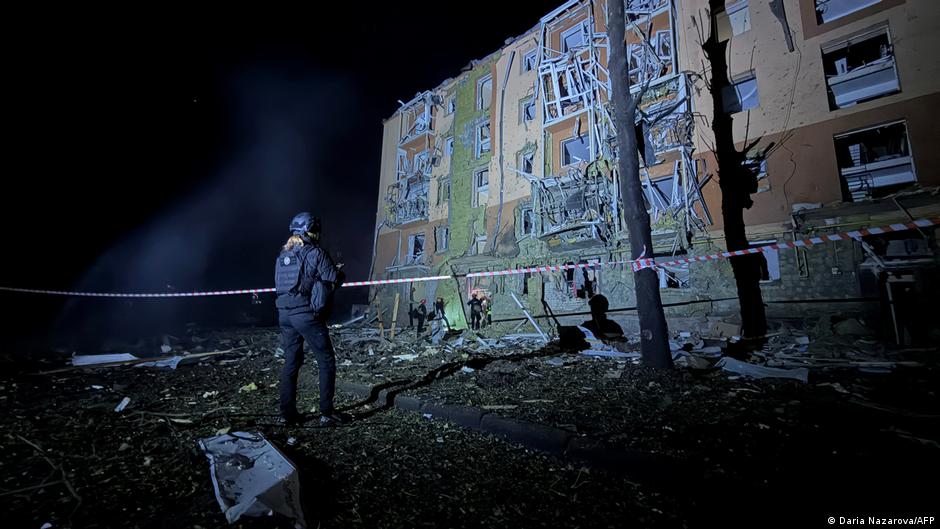
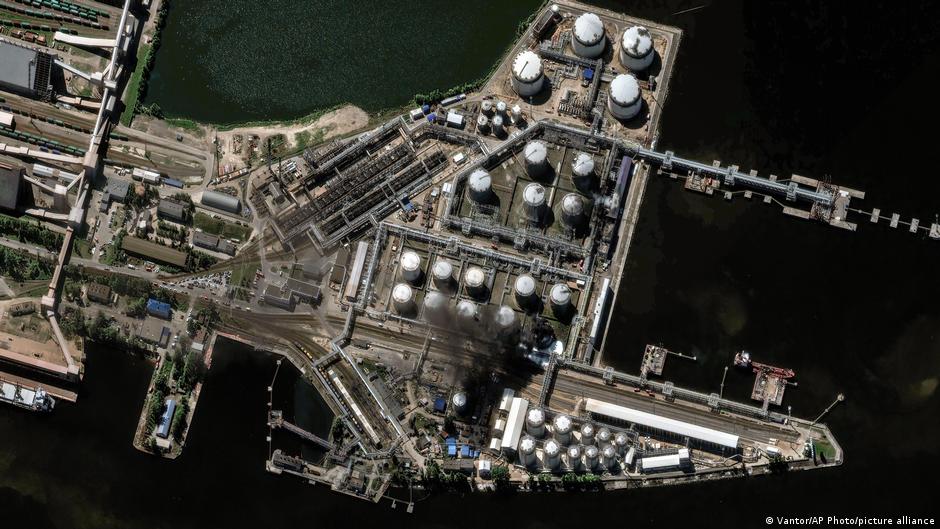
Russian drone and missile strikes across several Ukrainian regions late Saturday, October 17, and overnight into October 18 killed two people, injured others and disrupted critical infrastructure, according to local authorities. The attacks present fresh operational risks for Ukraine’s power network and manufacturing sector, with investors and commodity traders likely to monitor the extent and duration of outages.
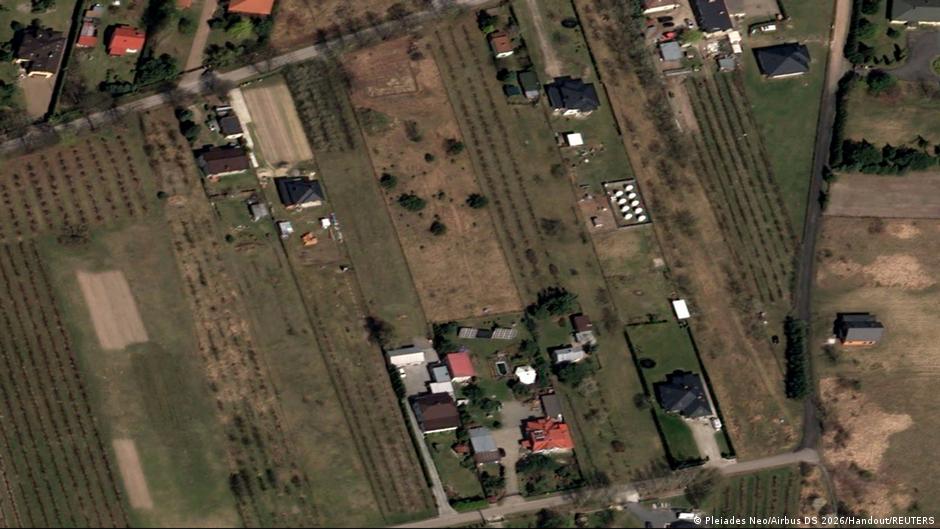
The most direct industrial impact was reported in Lutsk, where a plant owned by German company Kromberg & Schubert suspended operations after a strike. The facility manufactures electrical wiring systems for vehicles. Russia’s Defense Ministry said it targeted the plant because automotive equipment was being repaired there for the Ukrainian armed forces.
No financial estimate for the damage, expected production loss or timetable for restarting the factory was disclosed. The suspension nevertheless adds a new supply-chain variable for the automotive sector, particularly if the disruption affects deliveries of vehicle wiring systems. Markets will be watching for statements from the company and its customers regarding inventories, sourcing alternatives and any potential effects on production schedules.
Power disruptions raise infrastructure concerns
Critical infrastructure was damaged in the Vinnytsia region, regional military administration chief Natalia Zabolotna said on Telegram. Emergency electricity outages followed the attack, and she warned that the power supply would remain unstable in the near term.
“In the near future, the situation with electricity supply will remain unstable,” Zabolotna said.
In the Chernihiv region, 19,000 customers in the Chernihiv district were left without electricity after evening strikes, according to representatives of the local energy operator Chernihivoblenergo. Critical infrastructure in Dnipro was also attacked, regional military administration chief Oleksandr Hanzha said.
The reported damage puts renewed attention on the resilience of Ukraine’s electricity system and the potential for localized outages to affect industrial activity, logistics and commercial operations. No figures were provided for lost generation or transmission capacity, and authorities did not specify how quickly full service could be restored. The immediate market signal is therefore centered on operational uncertainty rather than a quantified reduction in energy supply.
Energy traders will be assessing whether the strikes remain geographically contained or lead to broader pressure on Ukraine’s power balance. Any prolonged instability could increase demand for emergency imports, backup generation and grid repairs, while interruptions to industrial consumers could influence production across energy-intensive sectors. The reports did not include trading volumes, wholesale electricity prices or changes in cross-border power flows.
Civilian casualties reported in multiple cities
In Poltava, one person was killed and four others were injured in an evening drone attack, regional military administration chief Vitalii Diakyvnych wrote on Telegram. Four private homes were damaged in the city, while another five were damaged in the Tereshky rural community.
In Zaporizhzhia, a drone struck a multistory residential building overnight, according to regional military administration chief Mykhailo Semykin. A 27-year-old woman was killed and another woman was injured.
Three people were injured when Russian forces used ballistic weapons against two districts of Kharkiv on Saturday evening, Mayor Ihor Terekhov said. According to the head of the Kharkiv regional military administration, men aged 66 and 42 were wounded in the Slobidskyi district and taken to hospital. A 26-year-old woman was injured in the city’s Osnovianskyi district.
The attacks underscore the continuing overlap between military escalation, civilian harm and infrastructure risk. For financial markets, the main channels to watch are electricity availability, insurance exposure, transport reliability and interruptions to manufacturing assets linked to European supply chains.
No immediate market-price reaction, securities trading data or company-specific financial guidance was included in the official reports. The next actionable updates for traders are likely to concern the restoration of electricity service, the operating status of the Kromberg & Schubert facility and any additional assessment of damage to critical infrastructure in Vinnytsia, Chernihiv and Dnipro.