US Conducts Multiple Strikes on Iranian Infrastructure Amid Rising Tensions
US military continues targeted attacks on Iran’s strategic sites, prompting Iranian retaliatory strikes and regional defense alerts.
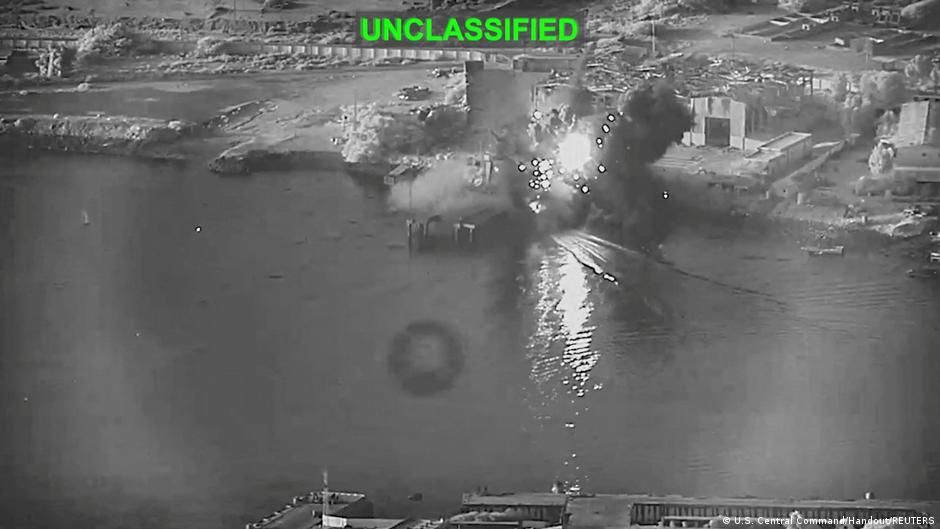
On the evening of July 16, the United States launched a fresh series of airstrikes against multiple targets in Iran, aiming to further degrade the country's military capabilities. According to Iranian media reports, the strikes hit bridges, airports, and energy infrastructure, resulting in casualties among civilians and military personnel.
The US Central Command (CENTCOM) announced via social media that the attacks began at 20:00 Berlin time and marked the sixth consecutive night of US operations targeting Iran. CENTCOM officials stated that the objective of these ongoing strikes is to "further weaken Iran's military potential." The renewed offensive coincided with approximately 21:30 in Tehran.
Scope and Impact of the Strikes
Iranian state broadcaster Press TV reported that the US air campaign targeted civilian infrastructure, including three bridges in the coastal province of Hormozgan. Additional strikes reportedly impacted a residential area in the port city of Bandar Abbas, an electrical substation on Kish Island in the Persian Gulf, and locations near the airports in Bandar Abbas and Iranshahr.
Notably, explosions were also reported in the city of Bushehr, home to Iran's sole civilian nuclear power plant. According to Press TV, the attacks caused three fatalities and injured 15 others.
“The US campaign aims to further erode Iran’s military capabilities; however, the strikes have also affected civilian infrastructure, escalating regional tensions.”
Iranian Retaliation and Regional Security Responses
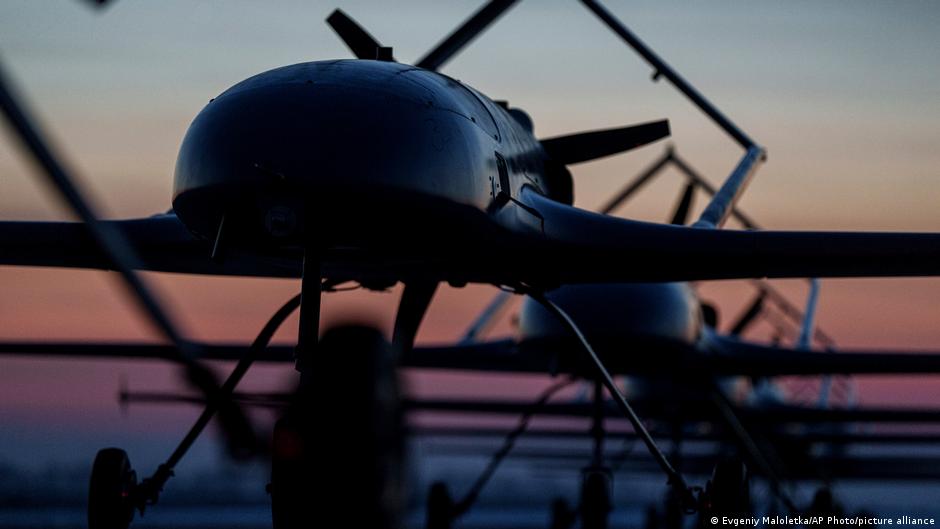
In response, Iran’s Islamic Revolutionary Guard Corps (IRGC), together with the Iranian army, announced retaliatory strikes against American military installations in the region. Iranian news agency Tasnim reported that unmanned aerial vehicles (UAVs) targeted US helicopters and reconnaissance aircraft stationed at the Sahir Airbase in Bahrain.
Kuwaiti military officials confirmed that their air defense systems intercepted Iranian missile and drone attacks. Meanwhile, authorities in Bahrain activated warning sirens to alert residents of imminent danger.
Background and Geopolitical Context
This escalation follows a framework agreement signed on June 17 between the US and Iran, which aimed to halt hostilities and lift the blockade of the strategically critical Strait of Hormuz. However, tensions reignited after an Iranian kamikaze drone attacked a civilian tanker transiting the strait on June 25. The United States responded with several airstrikes against Iranian targets.
US President Donald Trump declared during the NATO summit in Ankara on July 8 that the memorandum with Iran was no longer valid. On July 13, he asserted US control over the Strait of Hormuz and underscored that strikes on Iran would continue "until I say it’s enough." Trump further threatened to target Iranian power plants and bridges if an agreement could not be reached.
The ongoing military actions underscore the volatile security environment in the Persian Gulf, affecting energy markets and raising concerns among global investors monitoring potential disruptions in oil supply and trade flows through the region.