US Military Strikes Iranian Targets Amid Renewed Sanctions and Rising Tensions in Strait of Hormuz
US launches massive strikes on Iran in response to attacks on commercial vessels, while diplomatic efforts to secure the Strait of Hormuz stall.
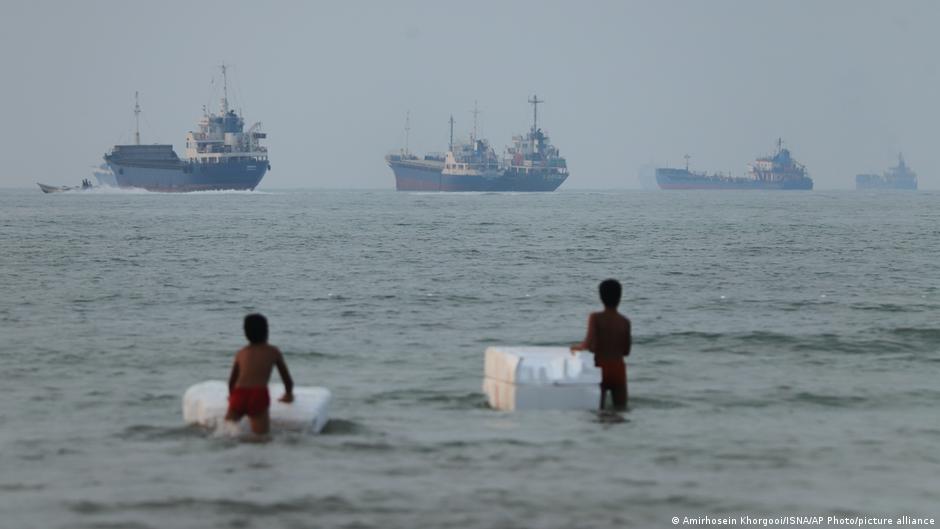
The United States military conducted extensive strikes against Iranian military assets following attacks on three commercial vessels in the Strait of Hormuz, intensifying geopolitical tensions in a critical global energy transit corridor.
US Military Response and Iranian Reaction
The Central Command of the US military (CENTCOM) confirmed that the strikes targeted Iranian air defense systems, command and communication networks, coastal radar stations, anti-ship missile defenses, and over 60 vessels operated by the Islamic Revolutionary Guard Corps (IRGC). The operations were described as a direct response to Tehran’s recent assaults on commercial shipping in the strategic waterway.
“The aggression demonstrated by Iran was unjustified, dangerous, and represented a clear violation of the ceasefire regime,” stated CENTCOM on social media.
The UK Maritime Trade Operations Center (UKMTO) reported that one tanker was lightly damaged by a drone attack, while a Qatari liquefied gas tanker, Al-Rekajat, sustained significant damage from what the crew described as an "unknown projectile." Details regarding the third targeted vessel remain unclear.
Shortly before the announcement of the military strikes, the US government reinstated sanctions on Iranian oil exports that had been lifted just over two weeks prior. Tehran condemned the sanctions and strikes as serious breaches of agreements, with Deputy Foreign Minister Kazem Gharibabadi warning of decisive measures to protect Iran’s national security and interests.
Regional Diplomatic Efforts and Future Risks
Diplomatic developments have been minimal in easing tensions. France and the United Kingdom proposed a multinational maritime mission to ensure safe navigation in the Strait of Hormuz during NATO foreign ministers’ talks with Gulf Arab states. However, Iran’s refusal to engage in the initiative dampens prospects for immediate de-escalation.
Meanwhile, a NATO summit in Ankara brought together ministers from Bahrain, Kuwait, Qatar, and the United Arab Emirates. The ongoing impasse stems from unresolved issues including Iran’s nuclear program, withdrawal of US troops from neighboring countries, and fees Iran seeks to impose on vessels transiting the strait.
Compounding the situation, Iran has not authorized Western-led efforts to clear naval mines in the channel, limiting shipping to just two narrow routes and restricting total transit volumes to less than half of pre-conflict levels despite US claims of the strait being fully open.
The latest US military action raises the risk of renewed escalation in the region. Recent rhetoric from President Donald Trump has underscored a hardline stance: a final agreement must be reached, or the US will “take it to the end.” In response, Iranian Foreign Minister Abbas Araghchi stated that final negotiations cannot commence amid ongoing threats from Washington.
The unfolding situation continues to impact global markets, particularly energy prices and shipping volumes, as uncertainty looms over one of the world’s busiest and most strategically vital maritime corridors.