US Launches 11th Consecutive Night of Strikes on Iran Amid Rising Tensions
CENTCOM reports continued military operations targeting Iranian infrastructure to curb threats in the Strait of Hormuz.
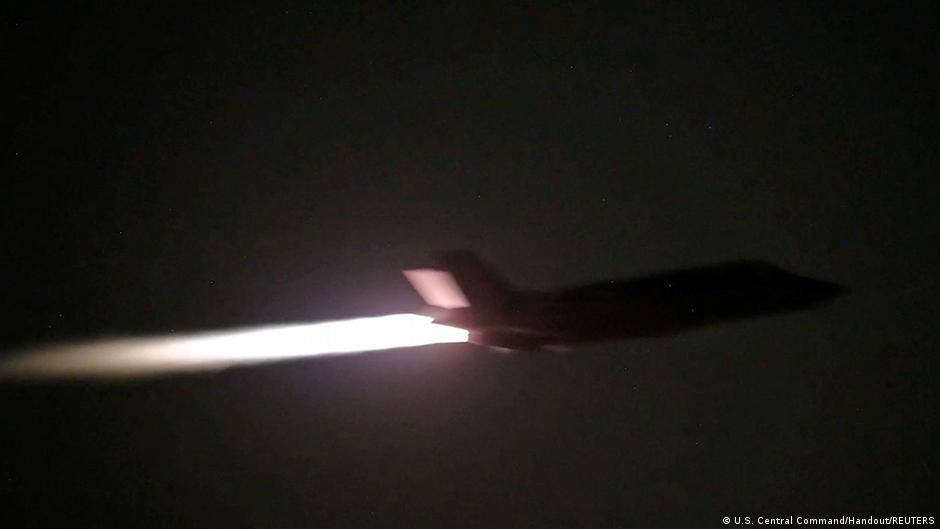
The United States Central Command (CENTCOM) announced a new wave of attacks on multiple Iranian targets, marking the 11th consecutive night of strikes. The operations lasted approximately 75 minutes and resumed on Tuesday, July 21, at 7:00 p.m. Eastern Time (1:00 a.m. Wednesday, July 22, Central European Time).
Within one hour and fifteen minutes of the operation's start, US forces reported the "successful completion of the 11th consecutive night of strikes on Iran." CENTCOM's statement detailed that the strikes targeted Iranian military command centers, naval forces, aviation hangars, drone storage facilities, and military logistics infrastructure. The objective is to further degrade Iran's ability to threaten commercial shipping in the Strait of Hormuz.
Strategic Impact on Regional Maritime Security
According to US military assessments, Iran has attacked over 30 commercial vessels passing through the Strait of Hormuz in the past three months. Despite Iranian aggression, CENTCOM asserts that the strait remains open for trade. Since early May, CENTCOM has facilitated the transit of approximately 900 commercial ships and the shipment of 450 million barrels of crude oil through the strategic waterway.
However, data from the London Stock Exchange indicates a sharp reduction in vessel traffic, with only four ships passing through on July 19 and eight on July 18, highlighting the ongoing impact of regional tensions on maritime commerce.
"US forces conducted strikes to weaken Iran’s capability to threaten commercial shipping in the Strait of Hormuz," CENTCOM stated, underscoring the strategic priority of securing vital shipping lanes.
Escalation of Hostilities and Regional Responses
On July 21, Iran launched missile and drone strikes on Camp Arifjan, a US military base in Kuwait. Kuwait's authorities reported that their air defense systems intercepted the incoming missiles and drones. Concurrently, the Islamic Revolutionary Guard Corps (IRGC) declared the "sixth wave" of its military operation Nasr 2, claiming attacks on US military facilities in Kuwait and Bahrain, although independent verification remains unavailable.
These incidents follow retaliatory strikes by Iran in the Persian Gulf on July 20 in response to previous US attacks. Regional partners, including Kuwait and Jordan, have reported missile and drone attacks in the area. On July 18, Tehran invalidated a June framework ceasefire with Washington, which had aimed to establish a final peace agreement within 60 days.
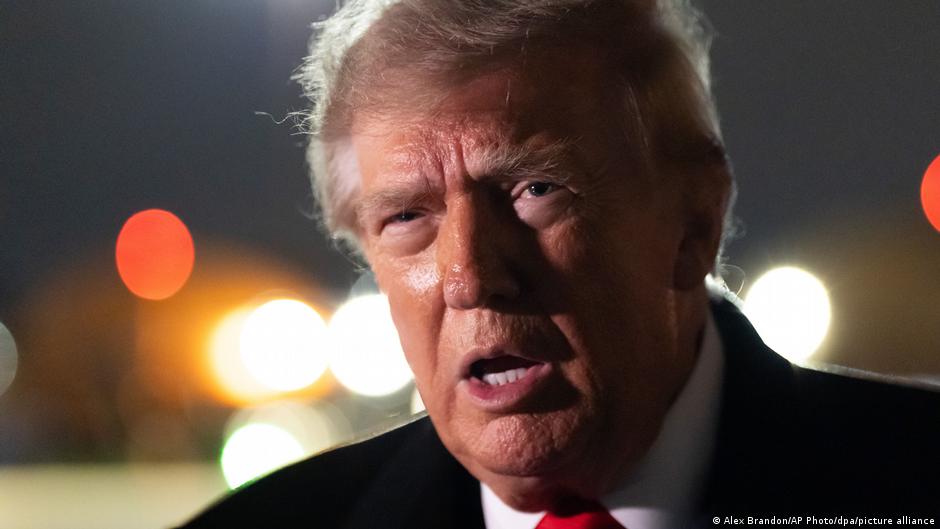
In a related development, on the night of July 21, then-US President Donald Trump warned Iran of "multiple" retaliations for any further American military casualties. He emphasized that every American soldier's death at Iran's hands would be met with disproportionate consequences, a directive communicated to Defense Secretary Pete Hegseth.
Since the latest escalation in the Middle East, CENTCOM has confirmed the deaths of three US service members, bringing the total American military fatalities since the conflict began in late February to 17.
Market participants should closely monitor these ongoing military developments, as they continue to influence oil supply routes, trading volumes, and geopolitical risk premiums in energy and shipping sectors.